Souffles / Artist’s Breath on Canvas

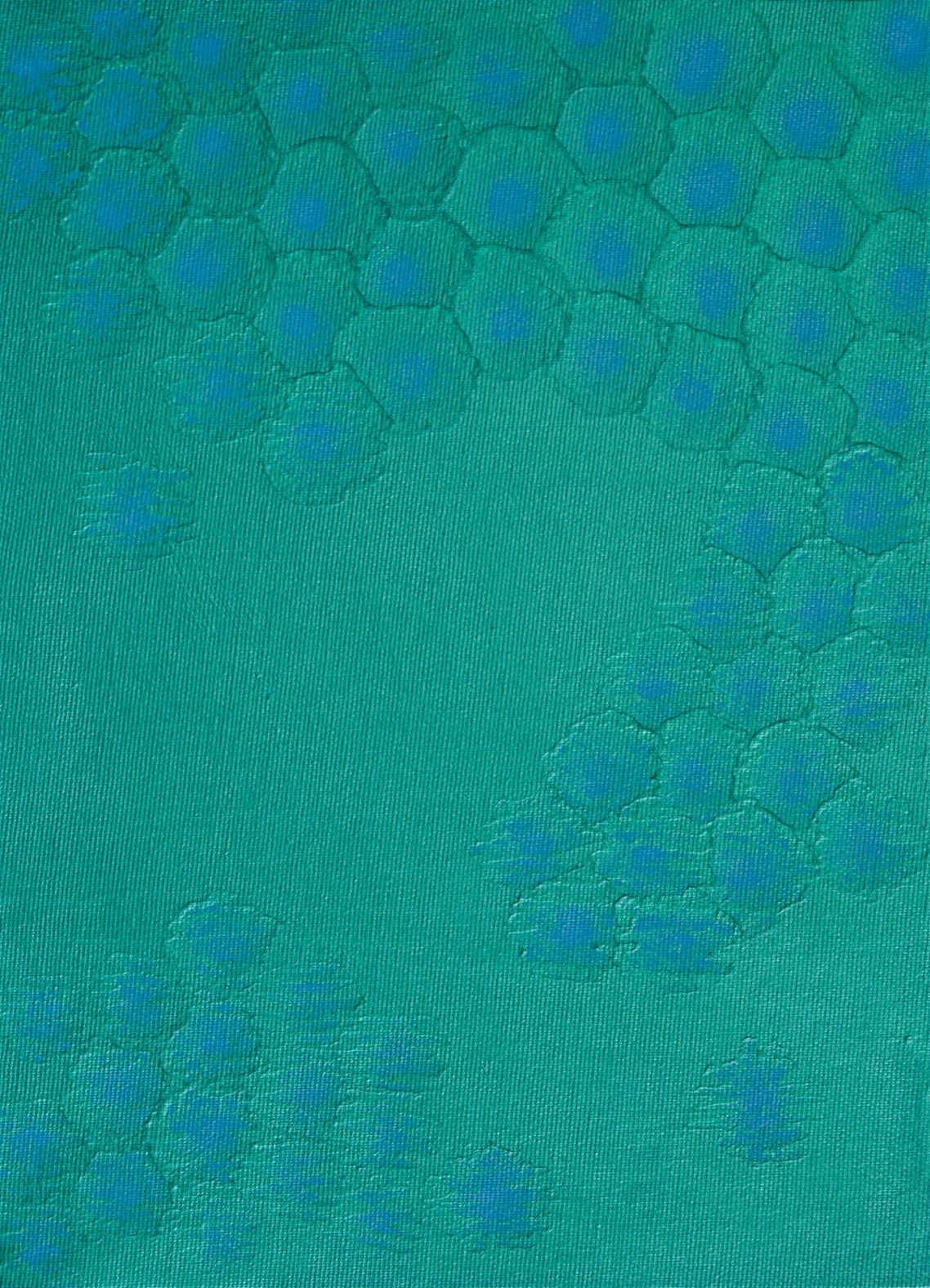
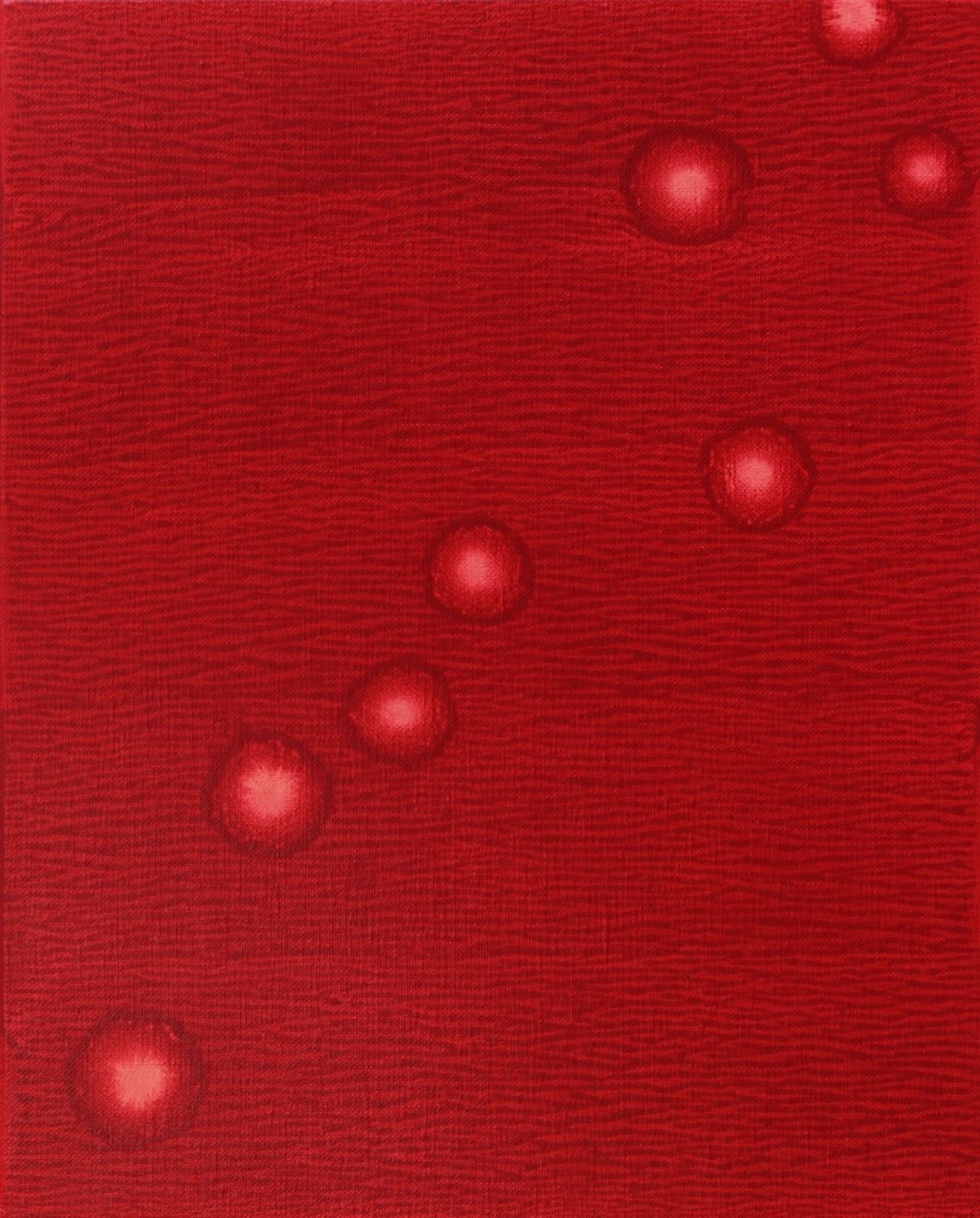
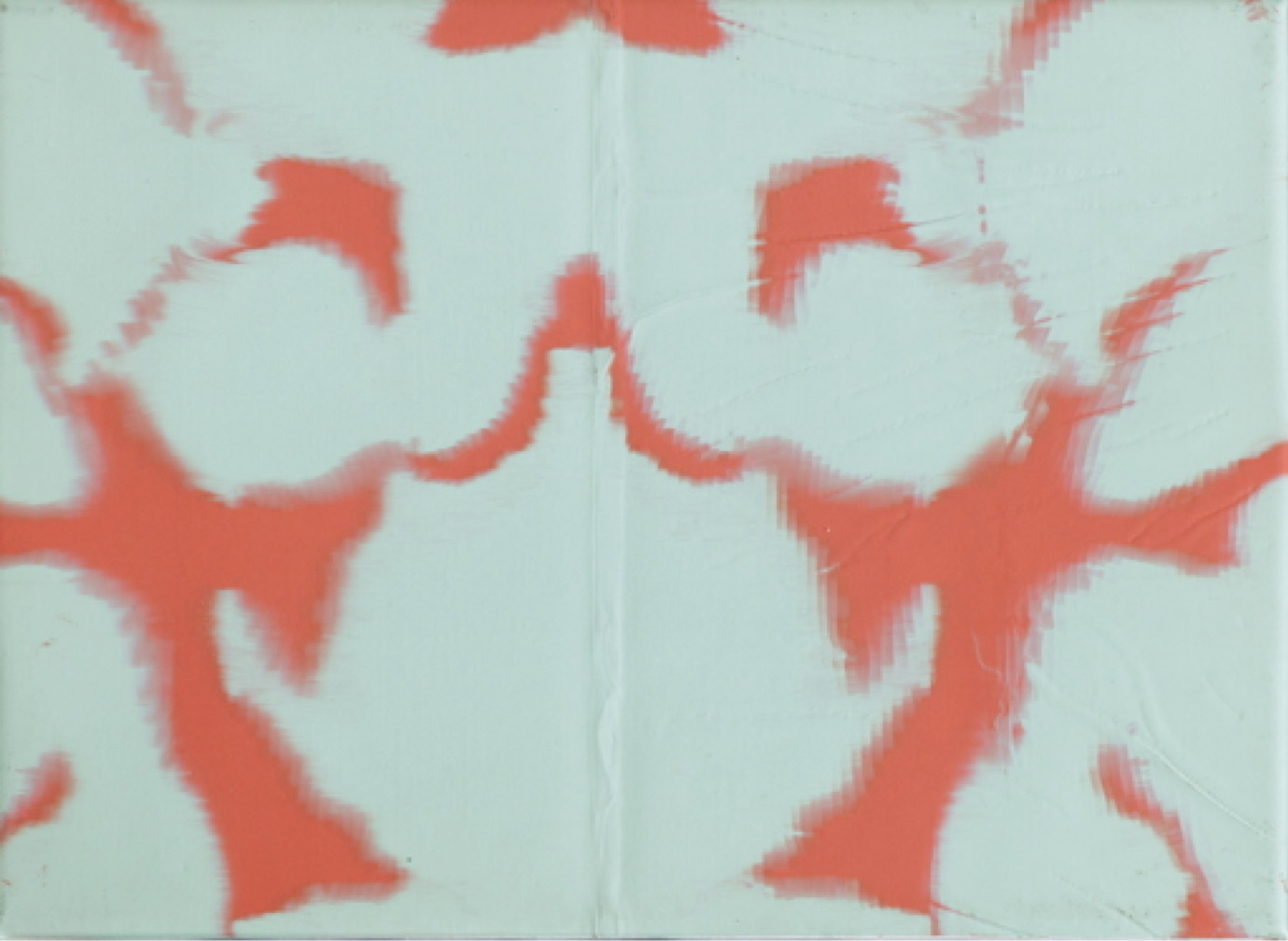
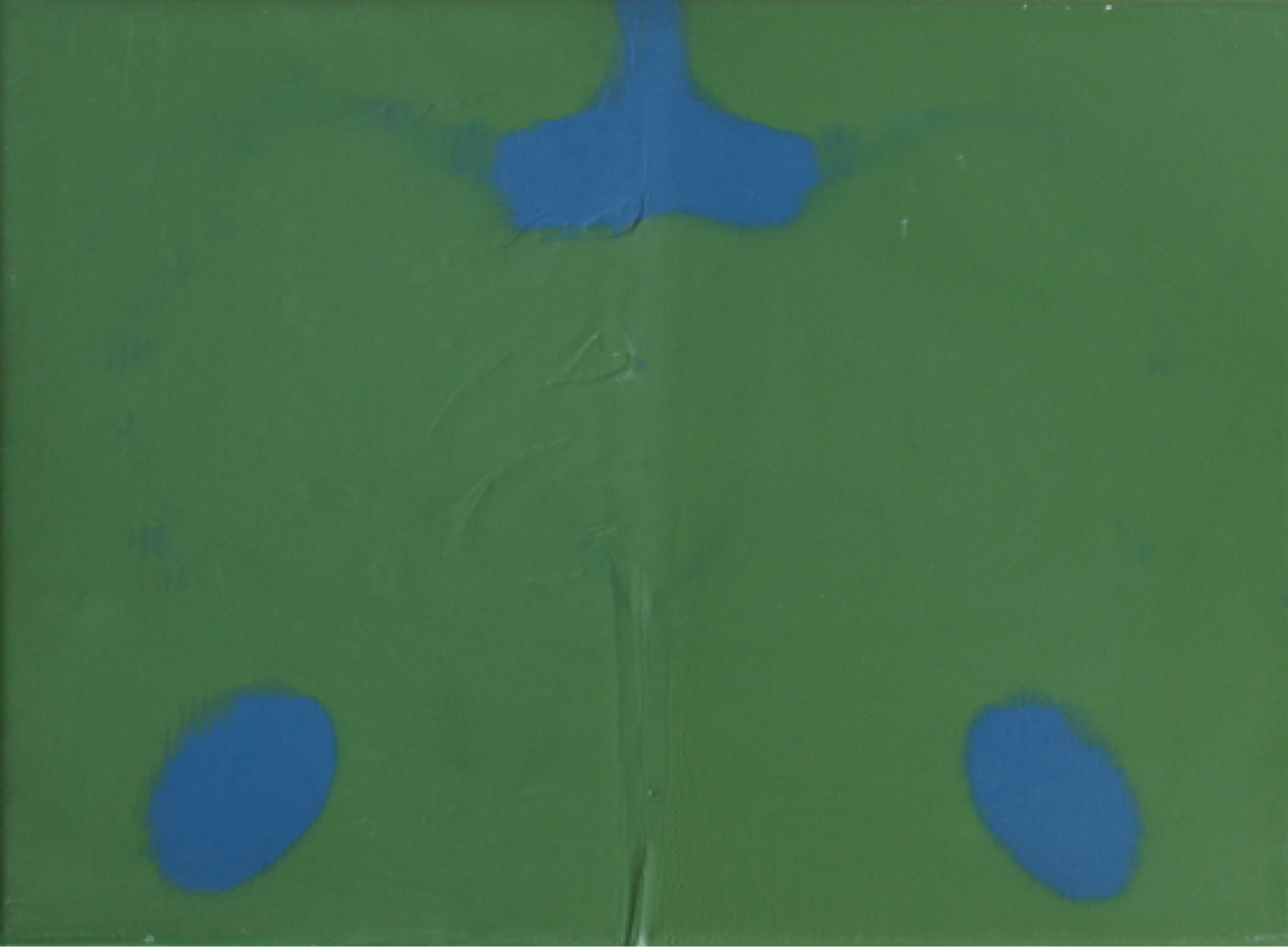
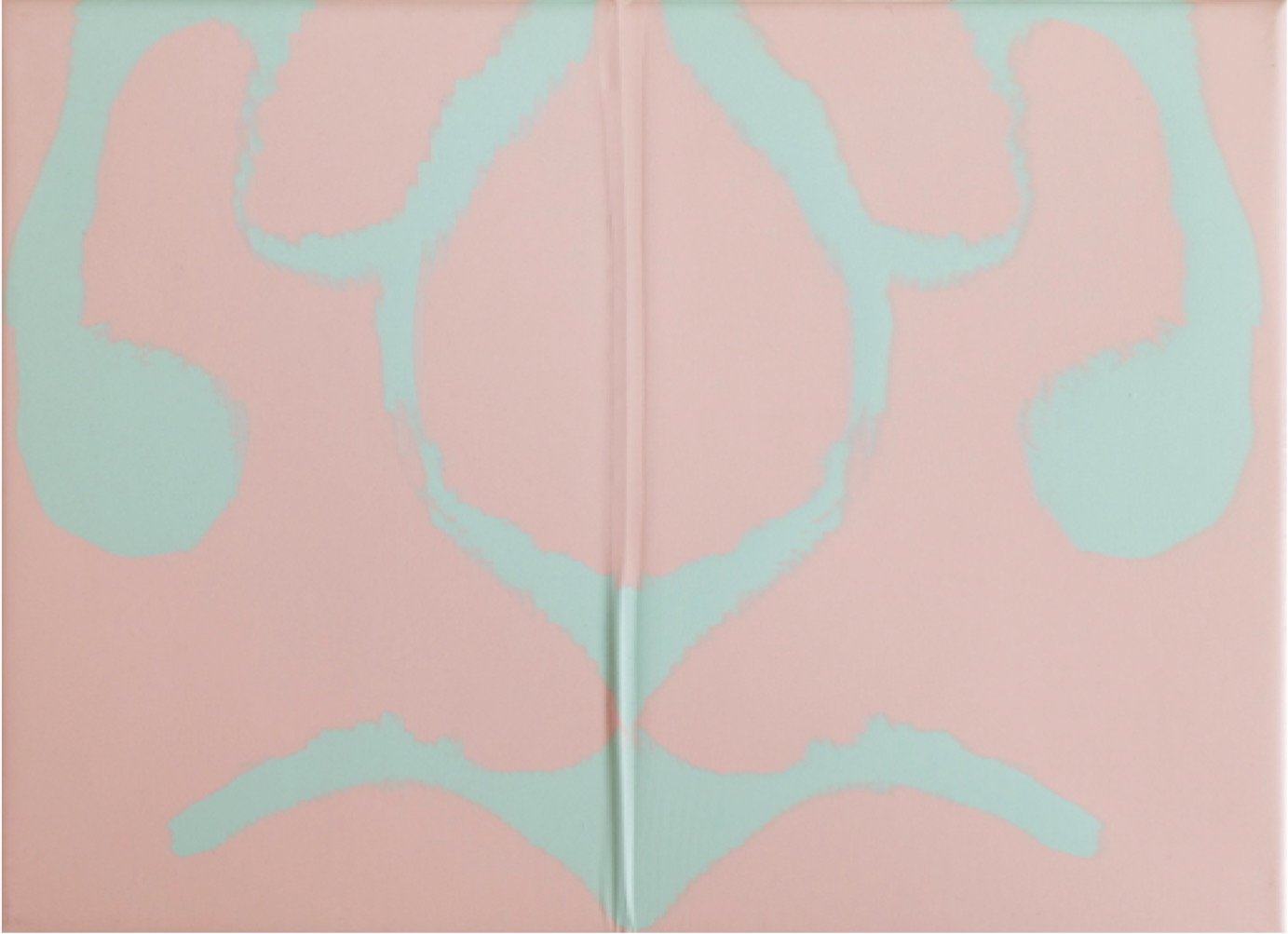
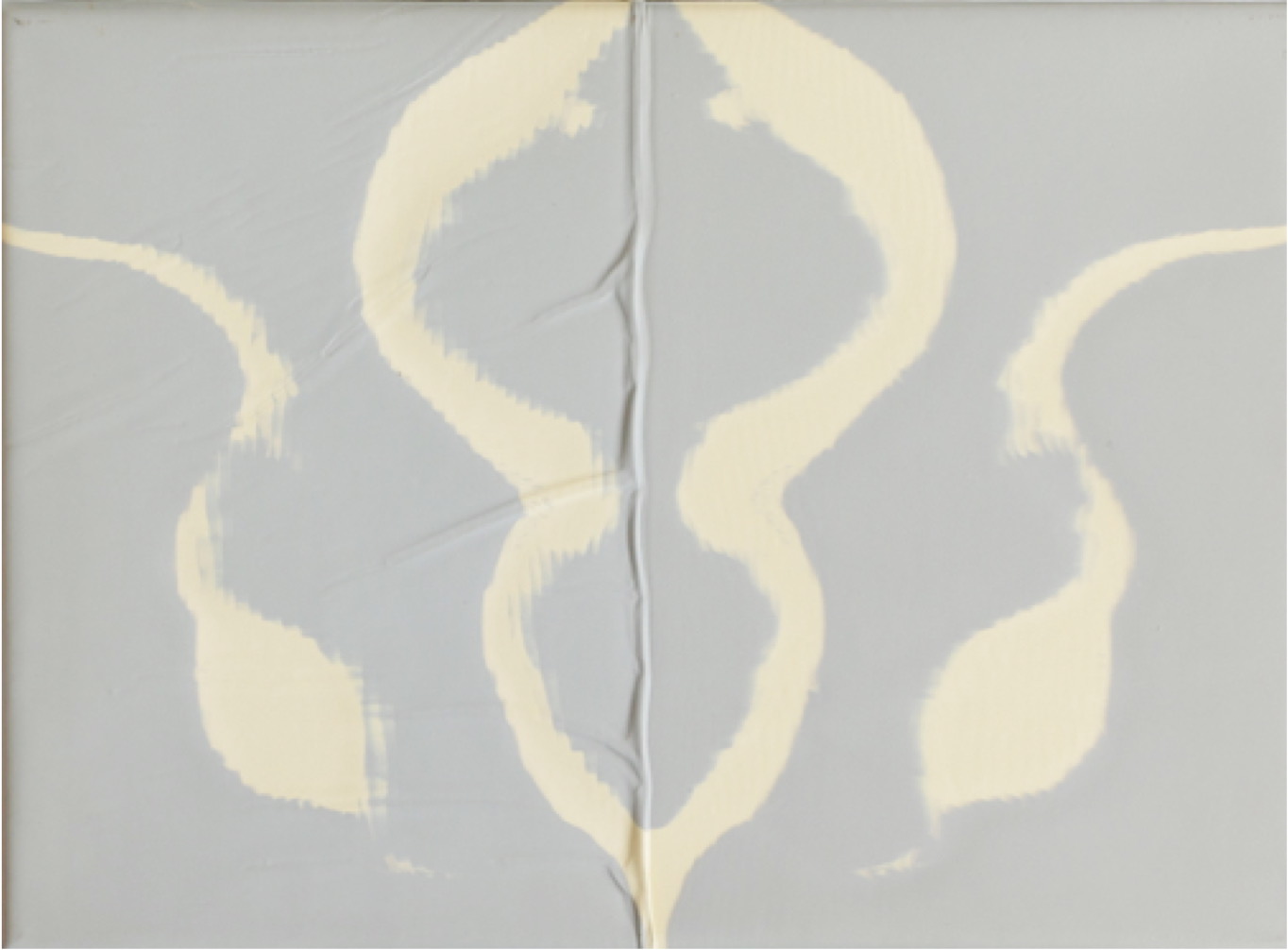
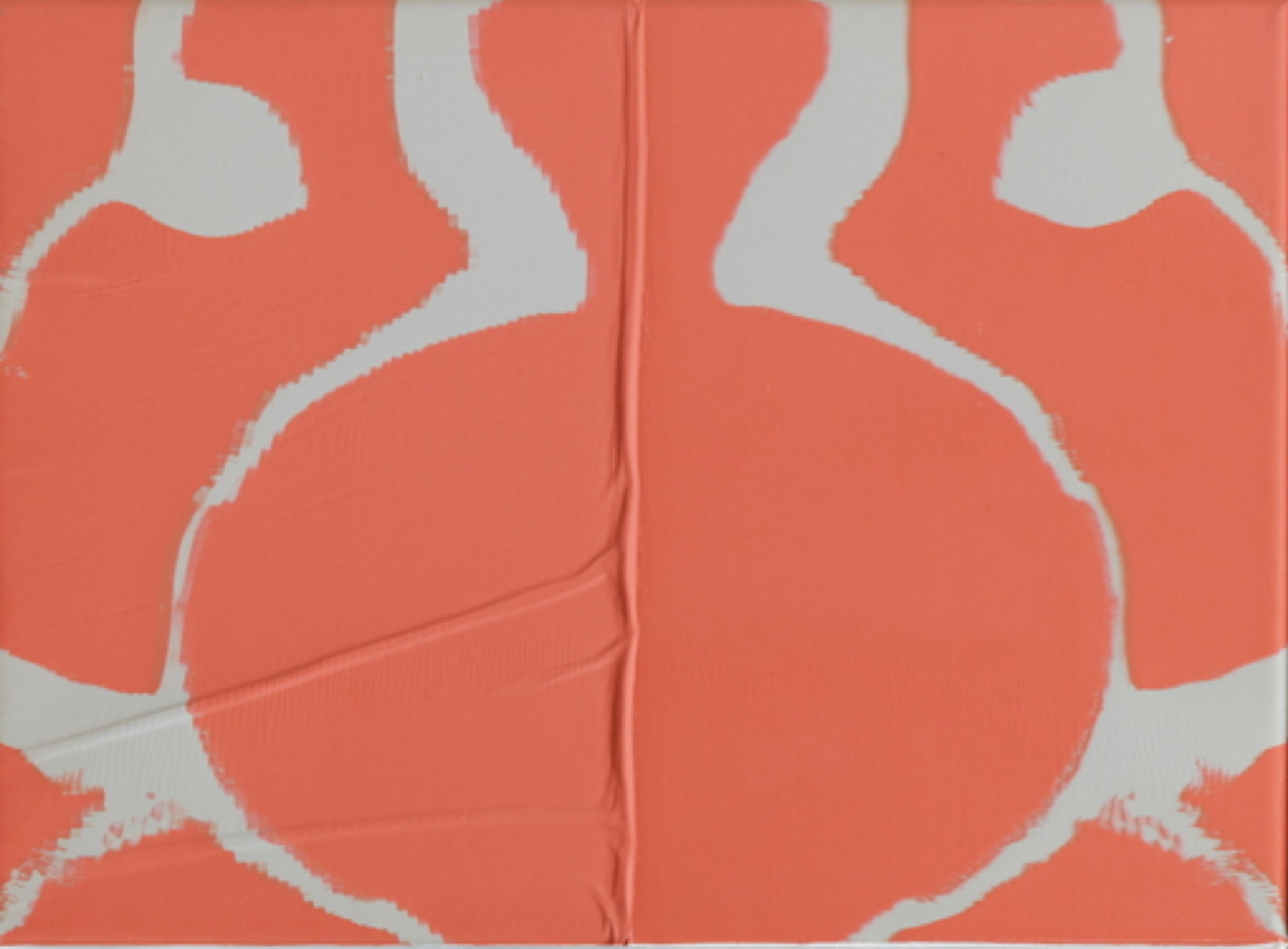
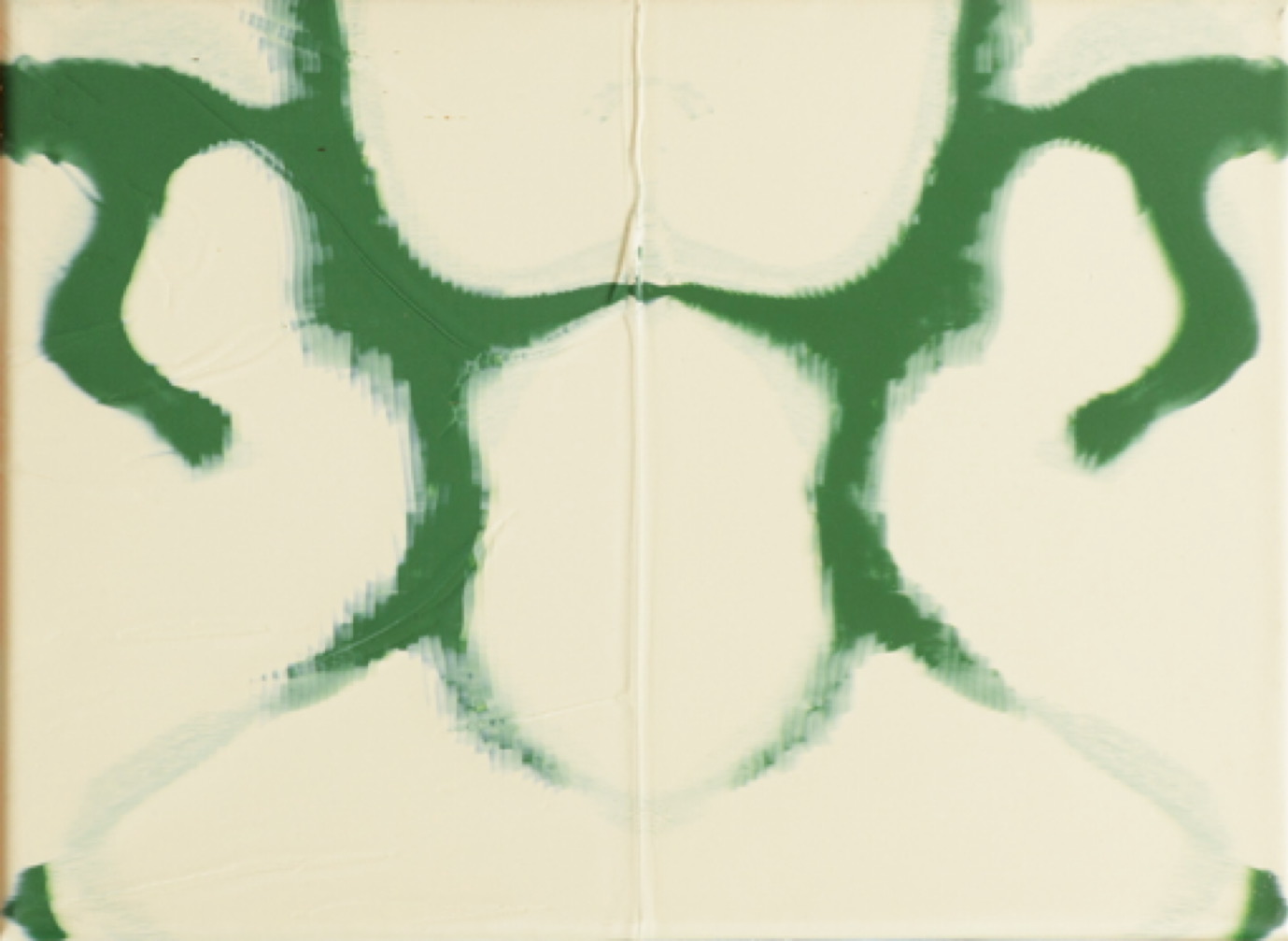
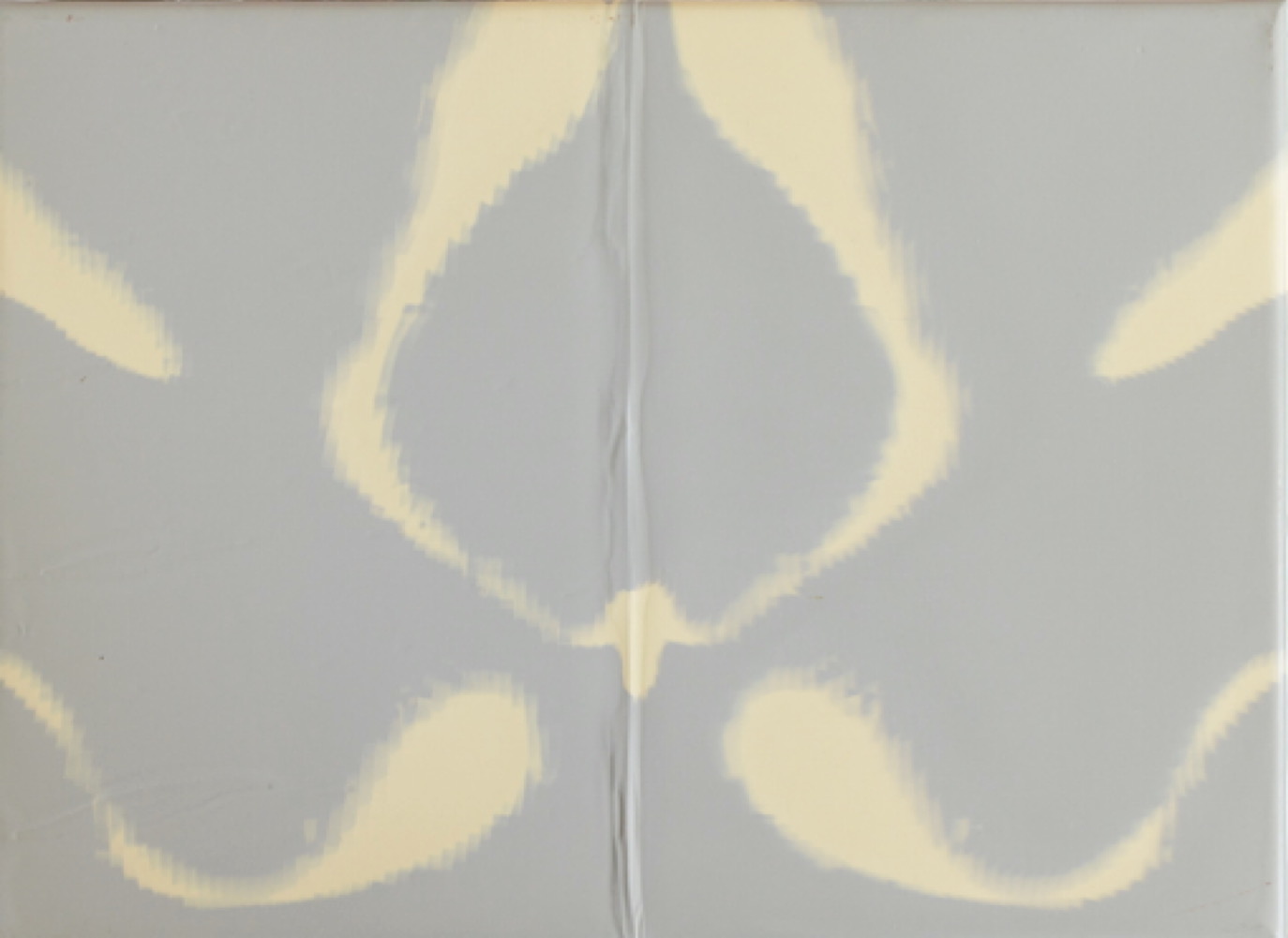
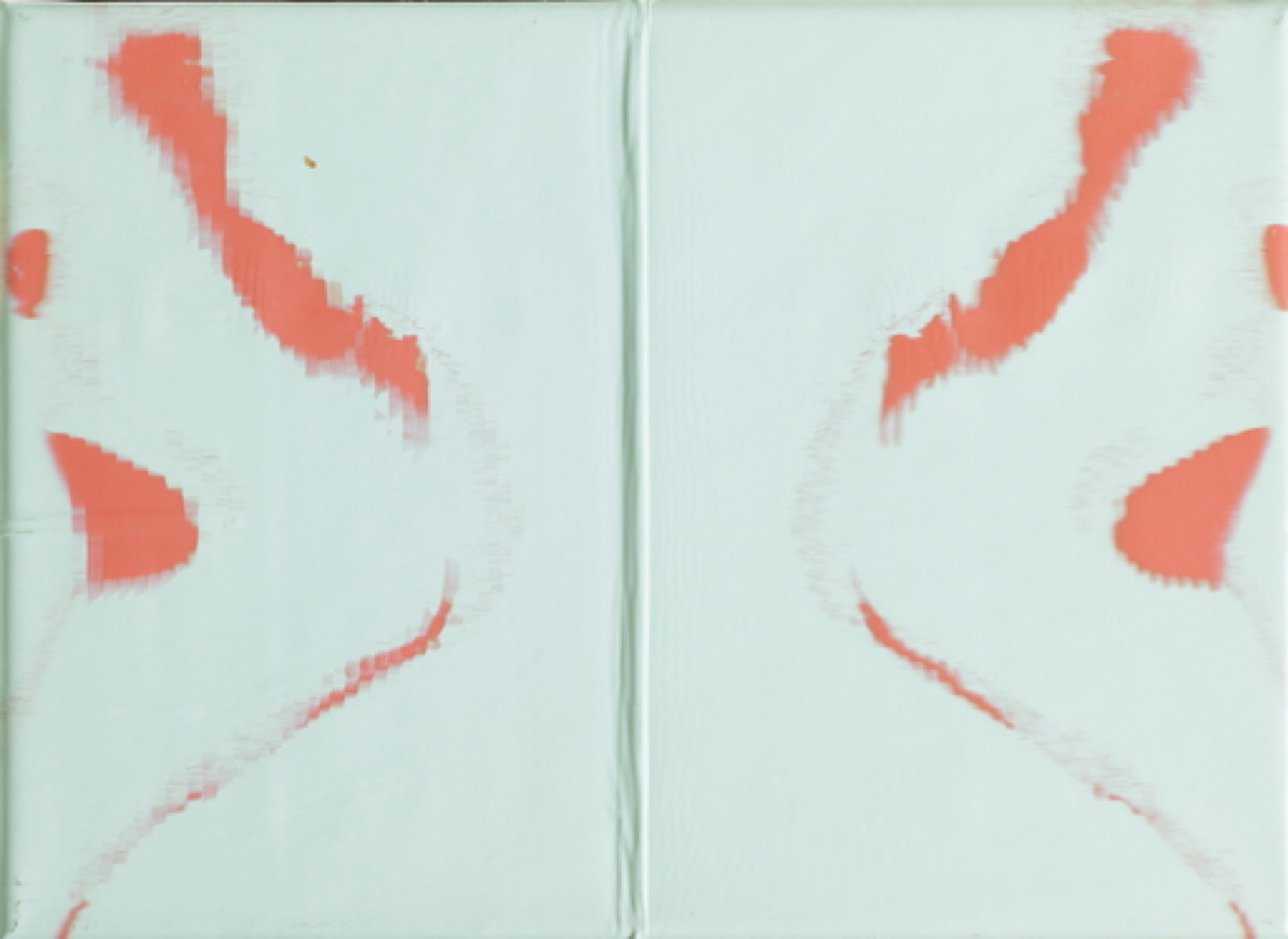
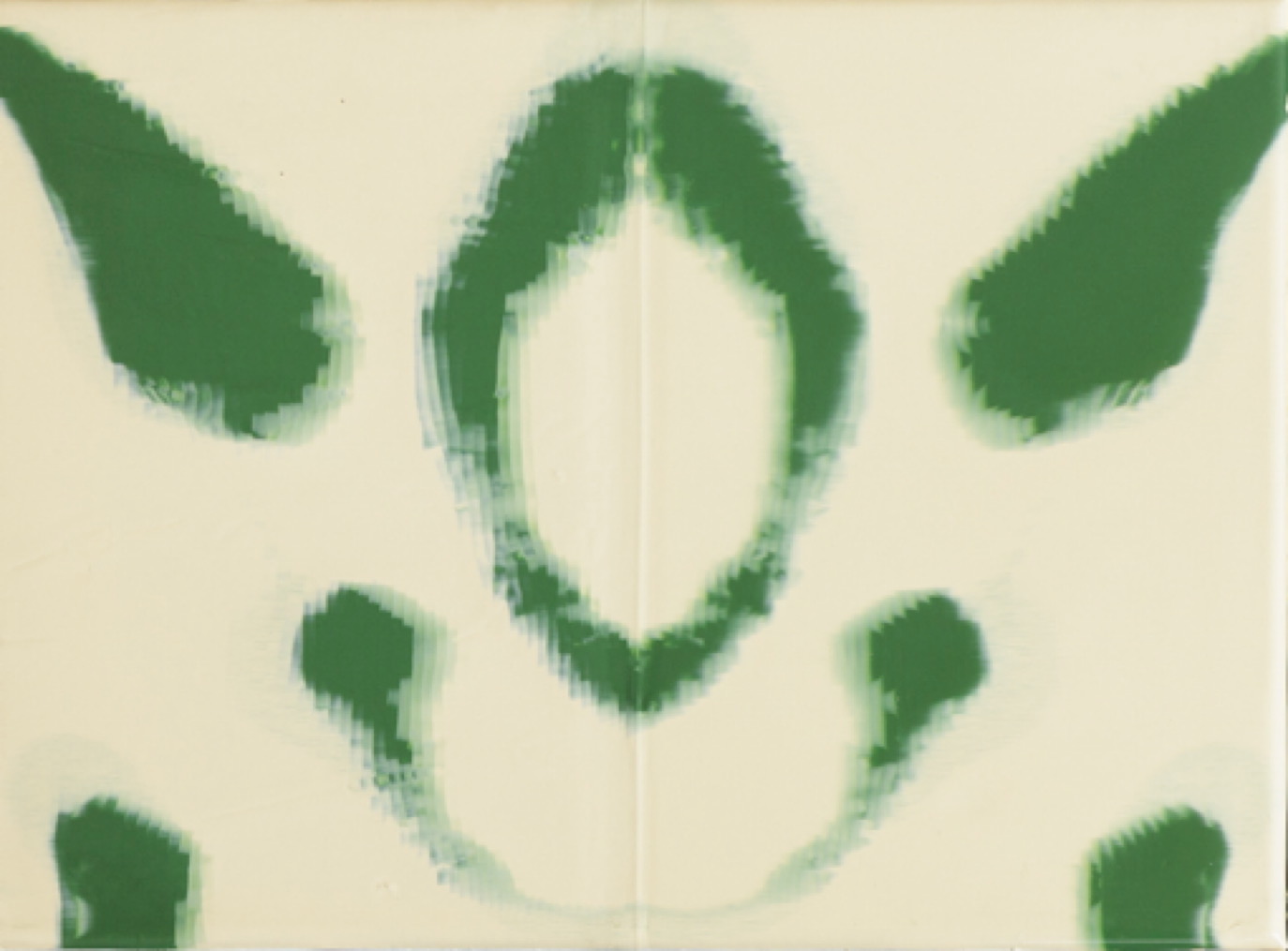
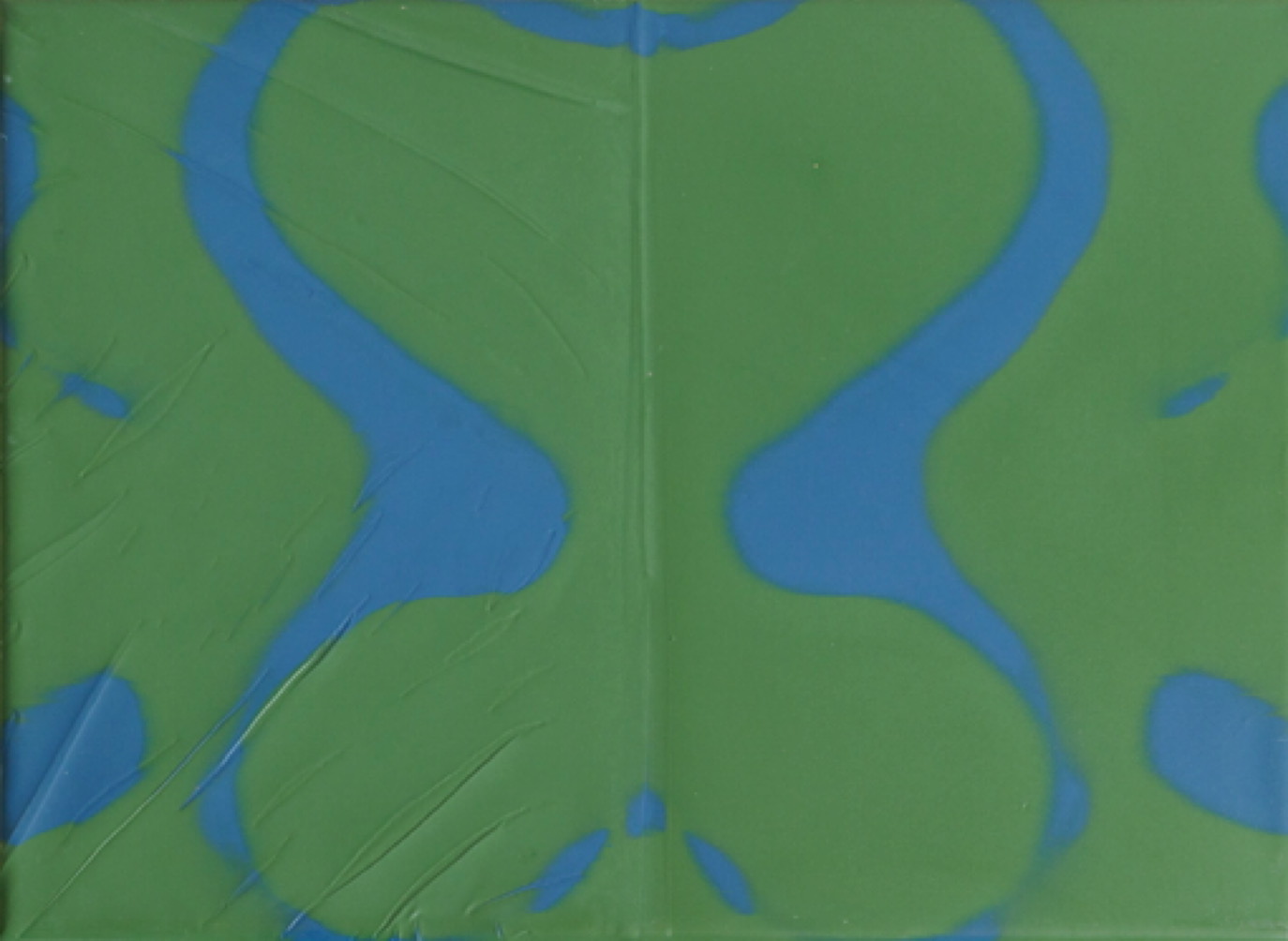
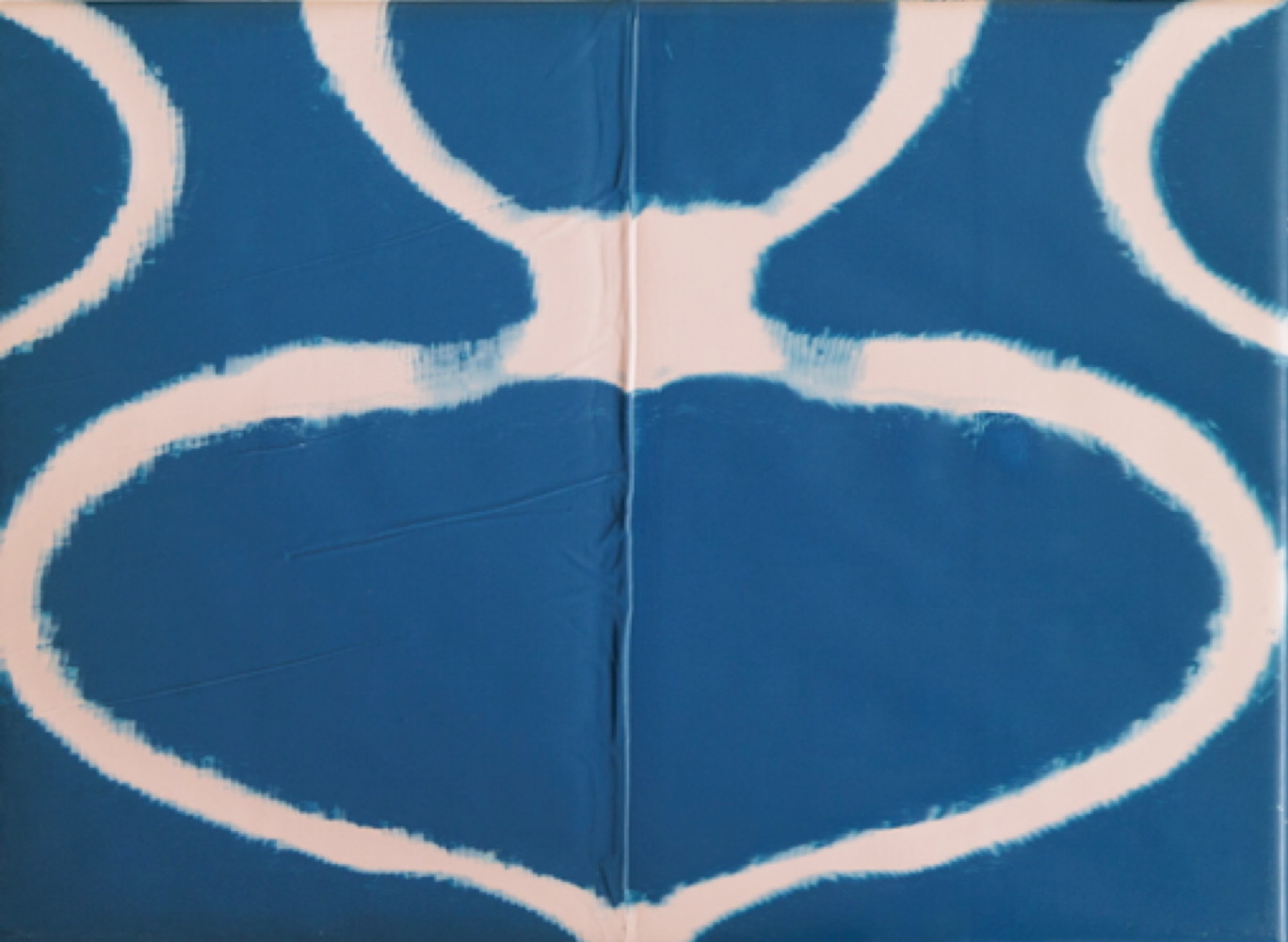
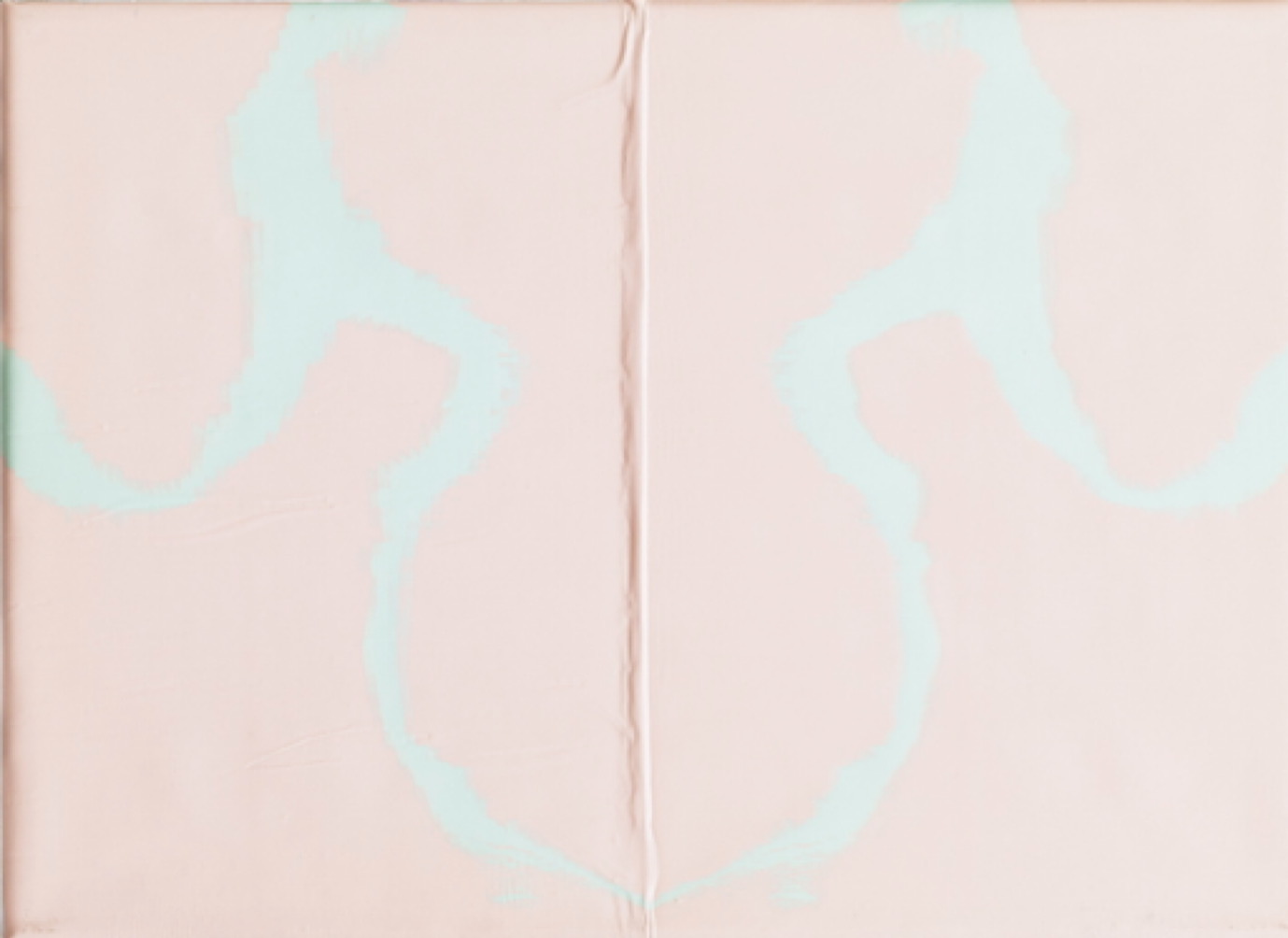
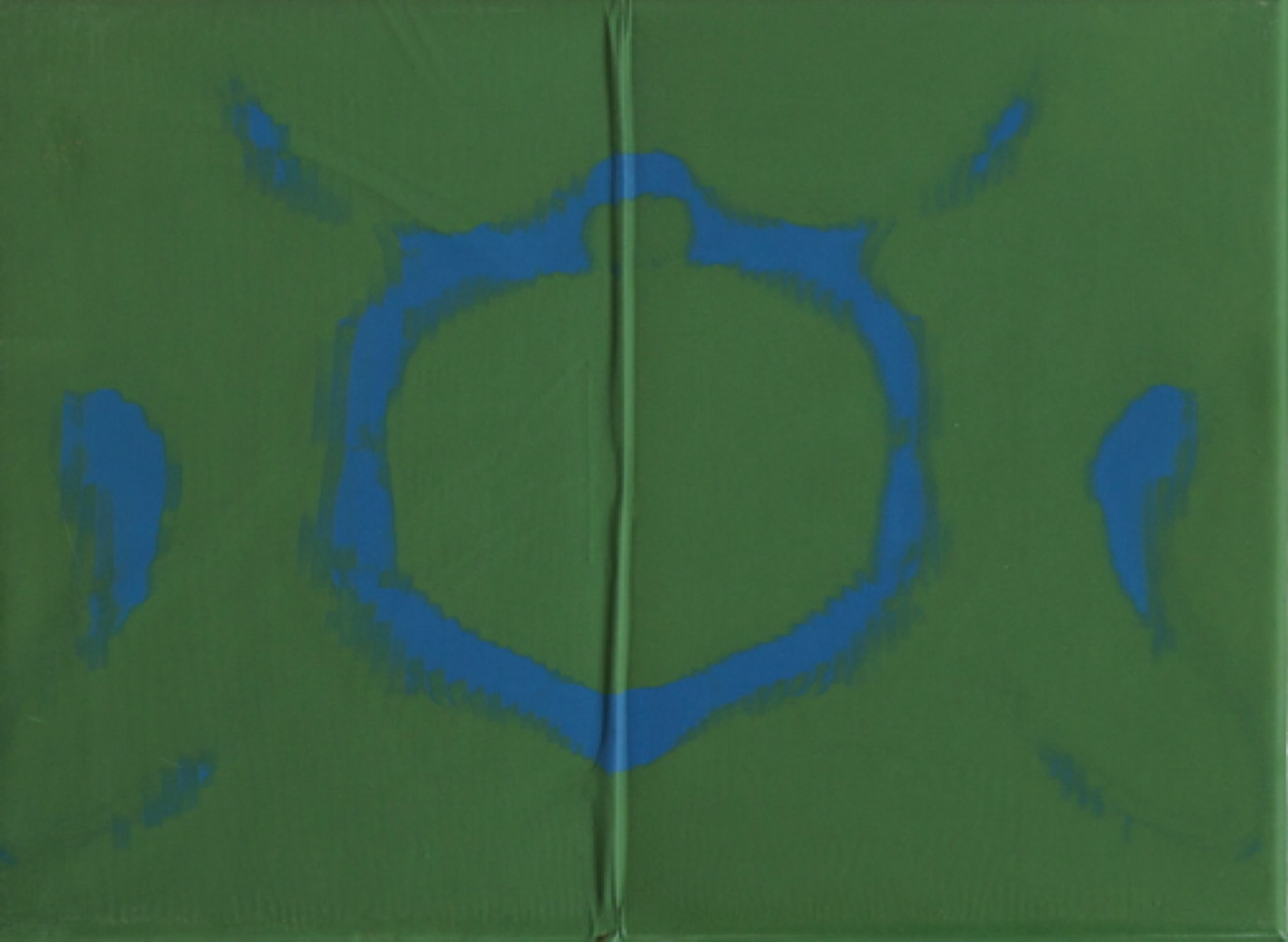
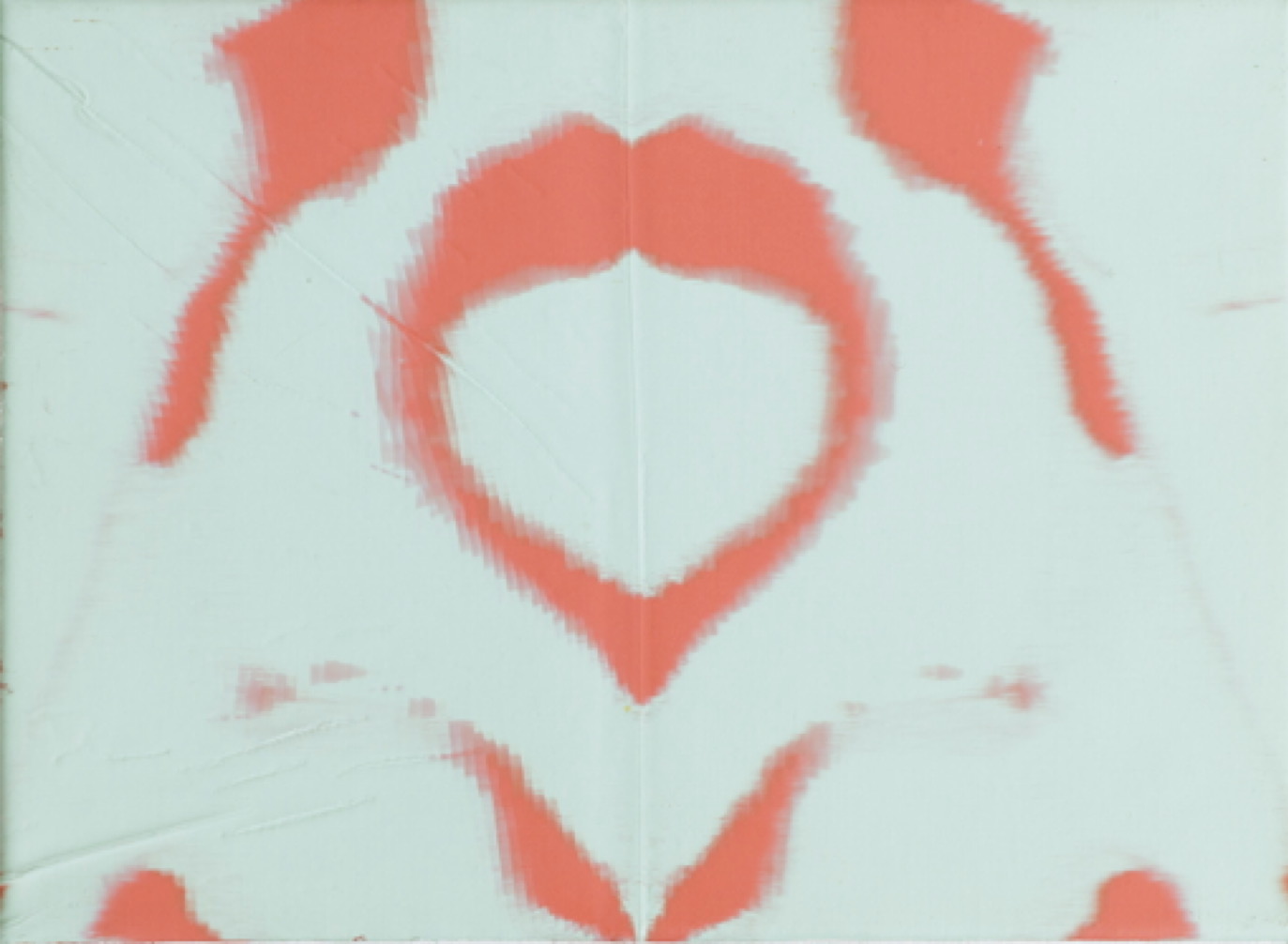
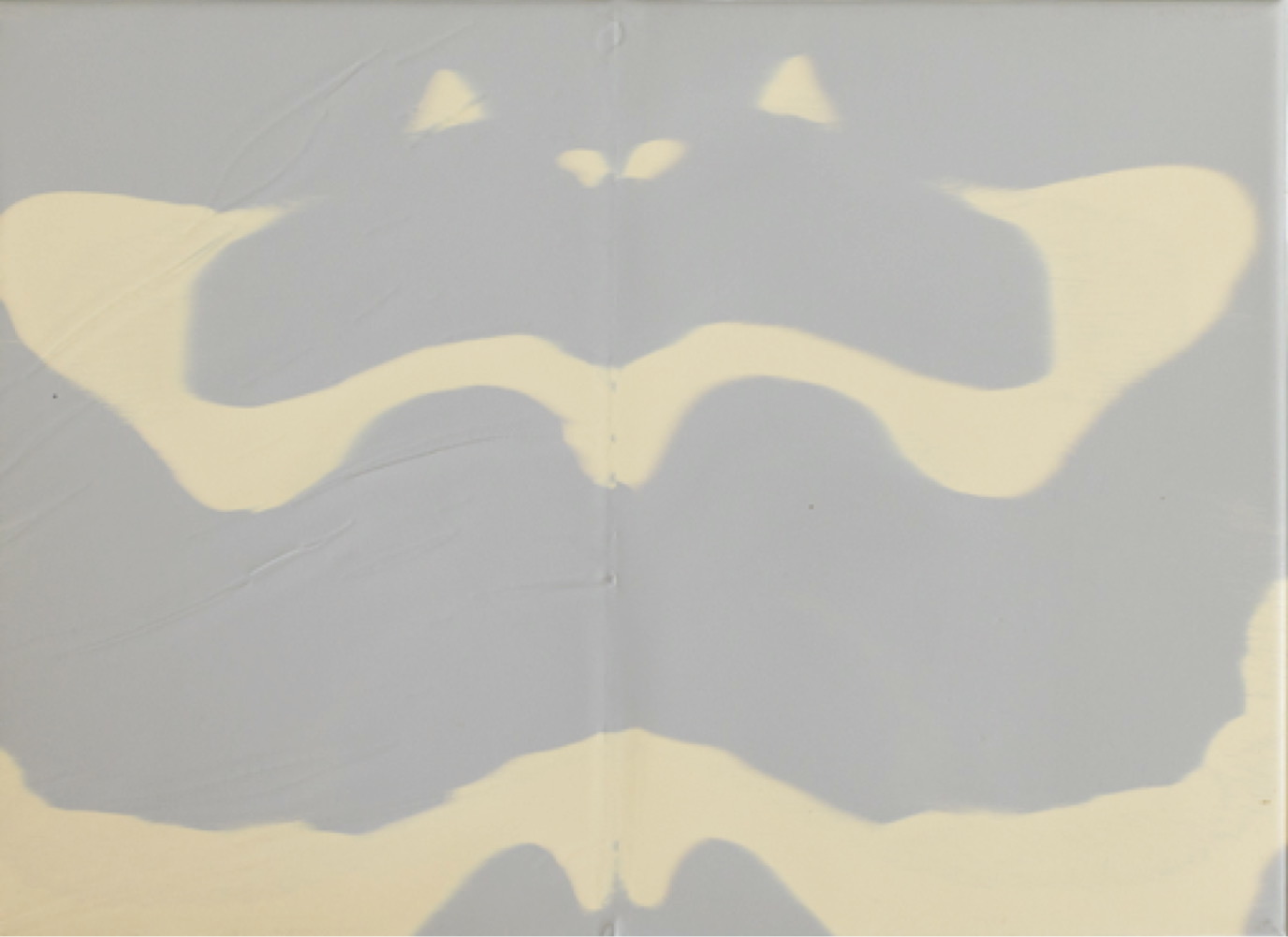
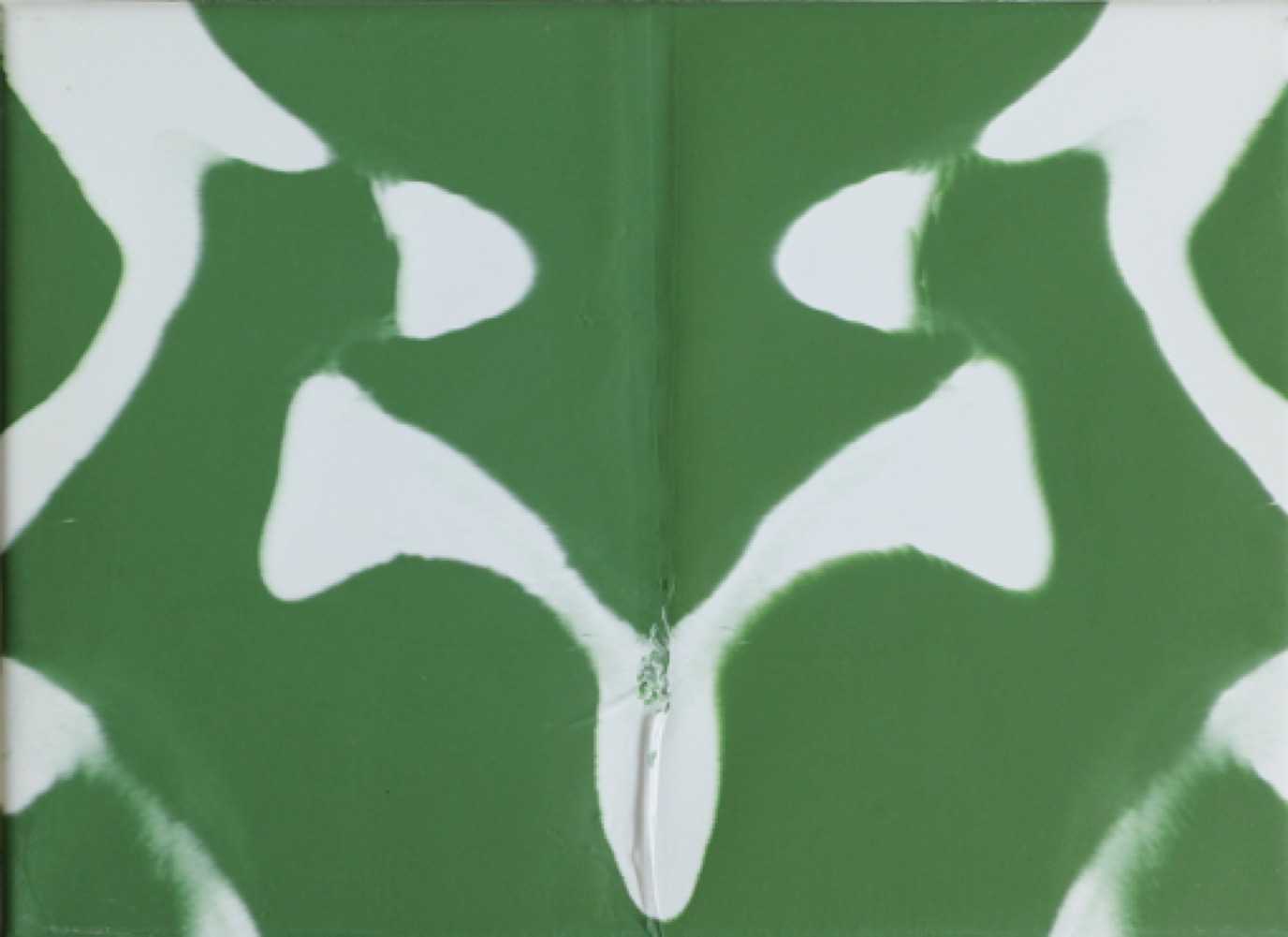
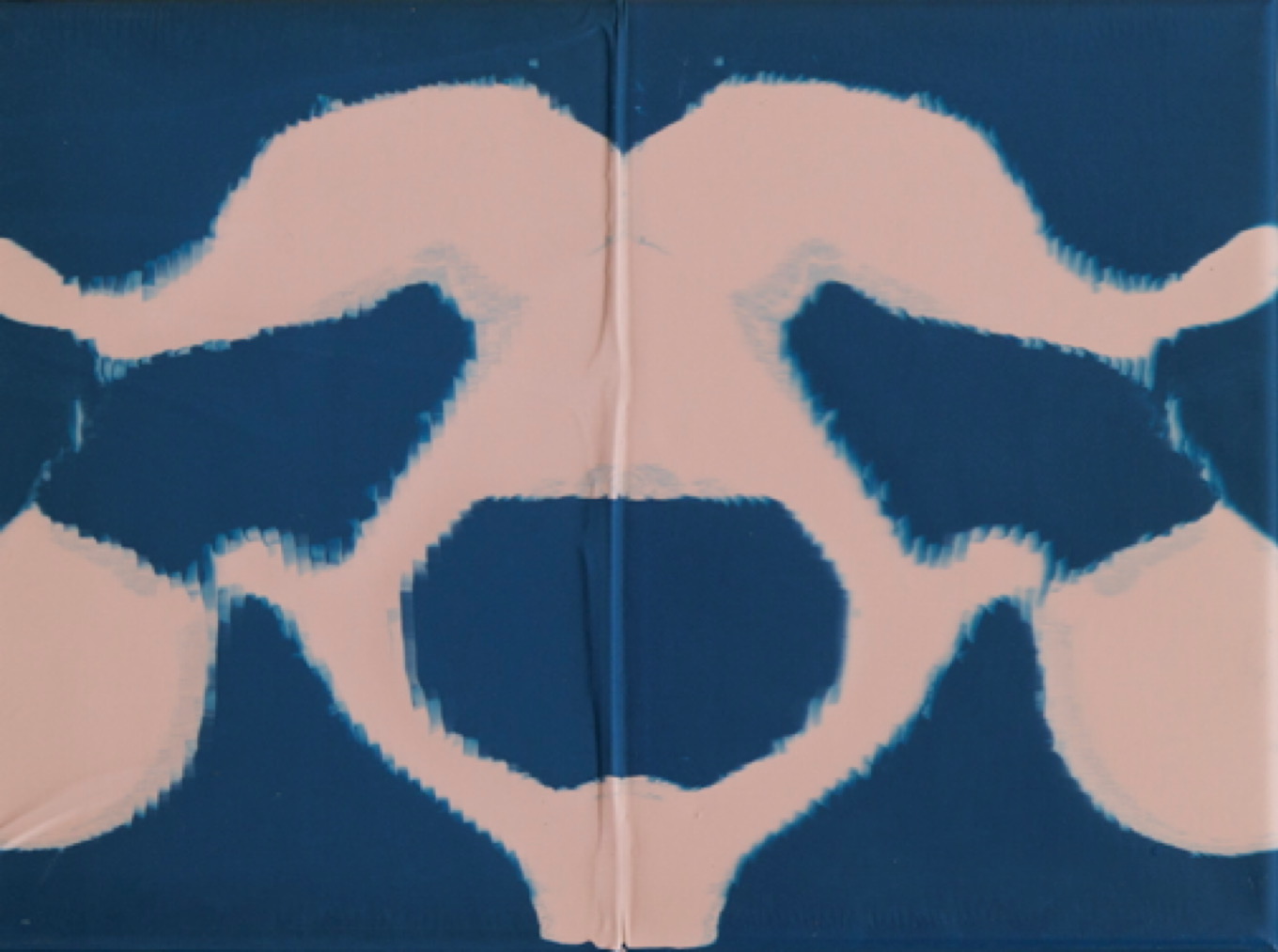
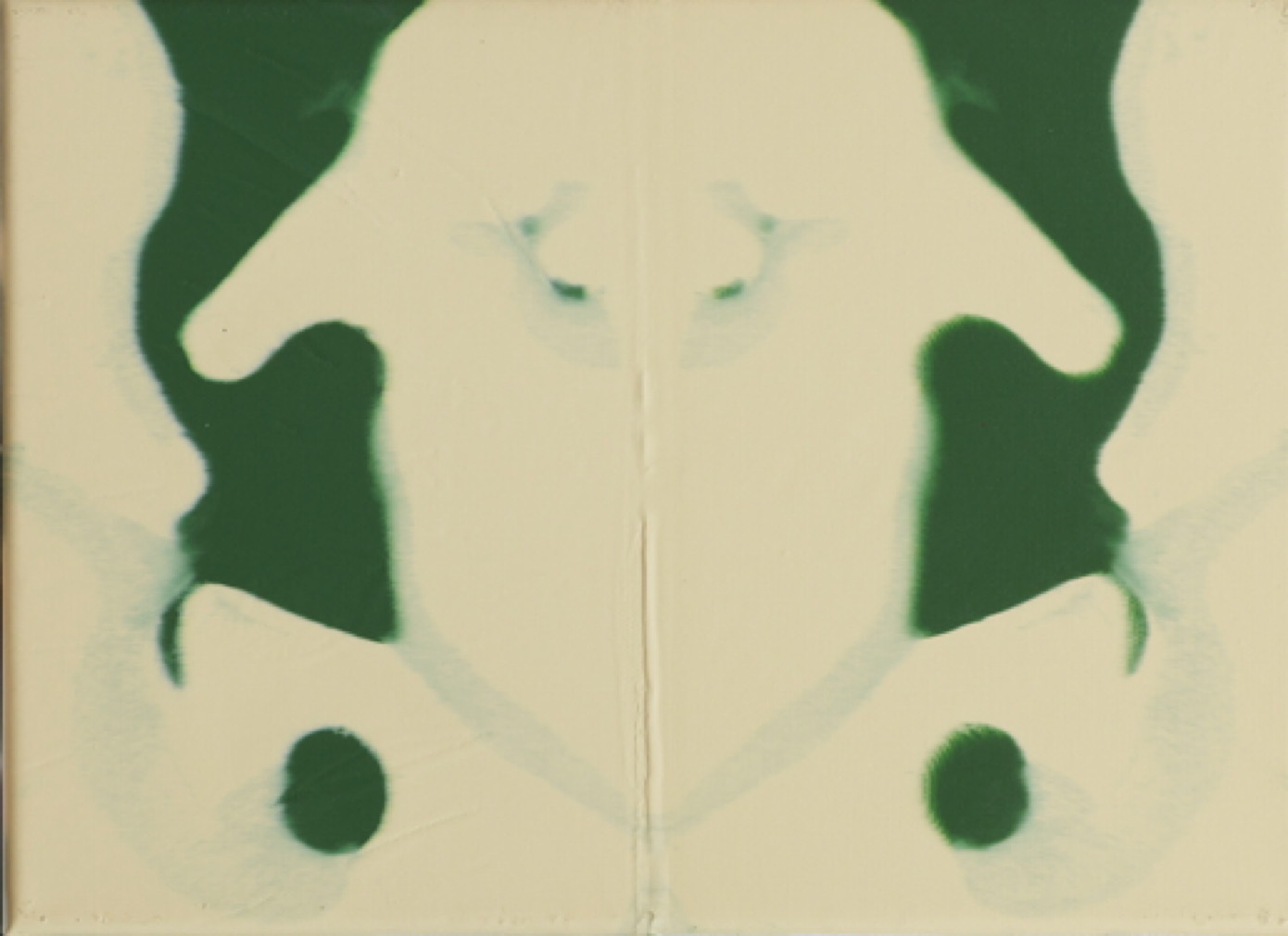
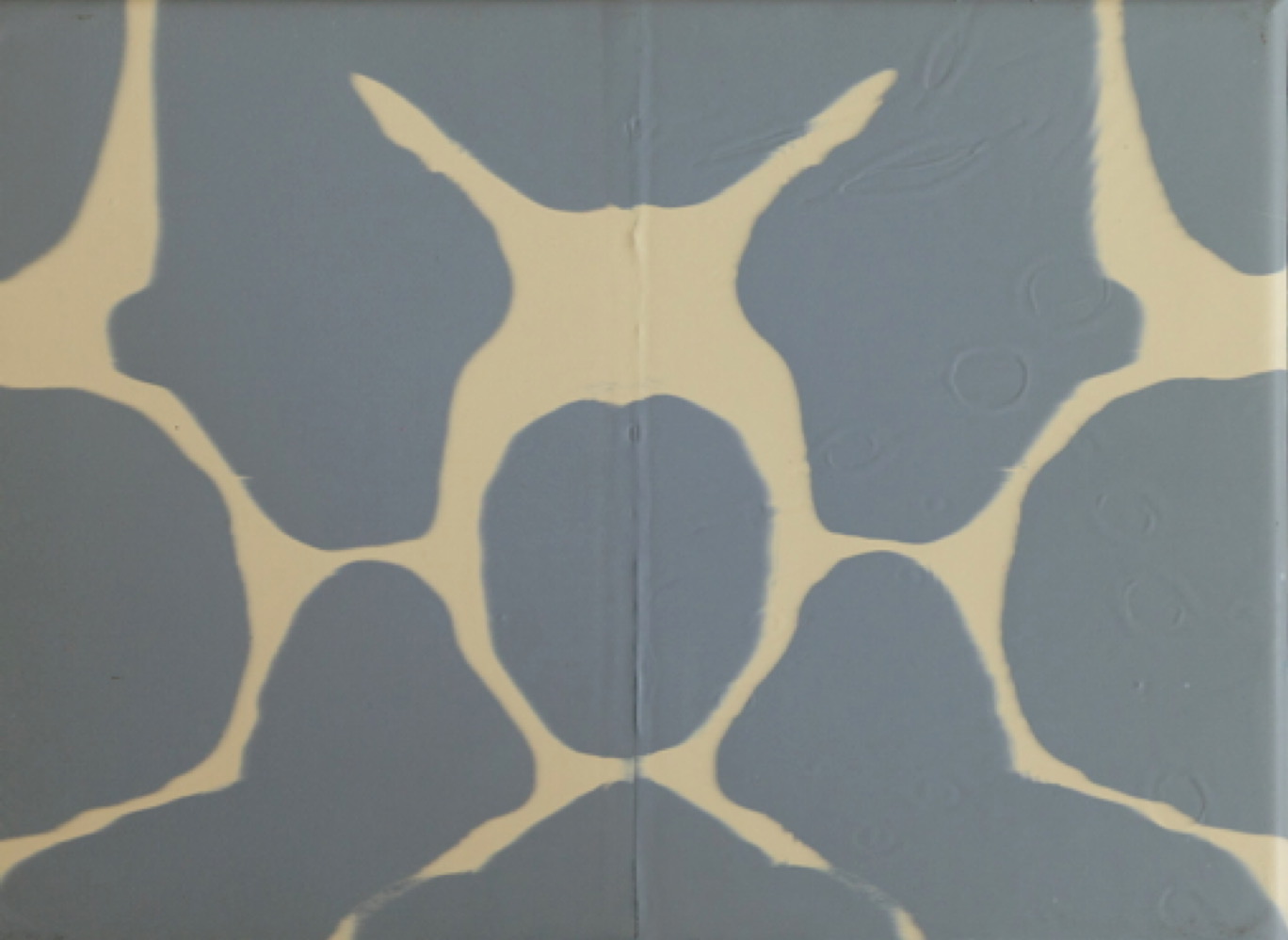
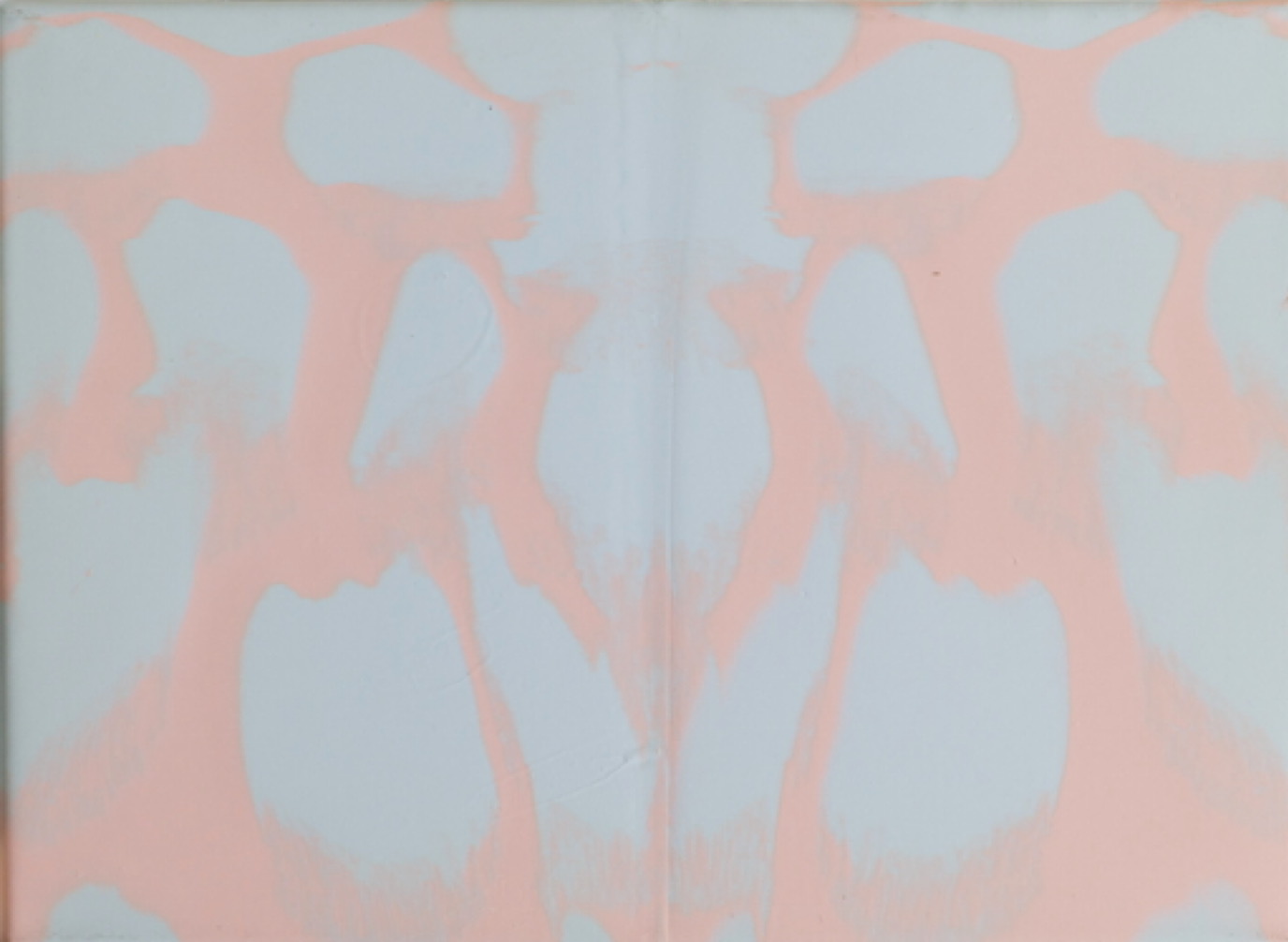
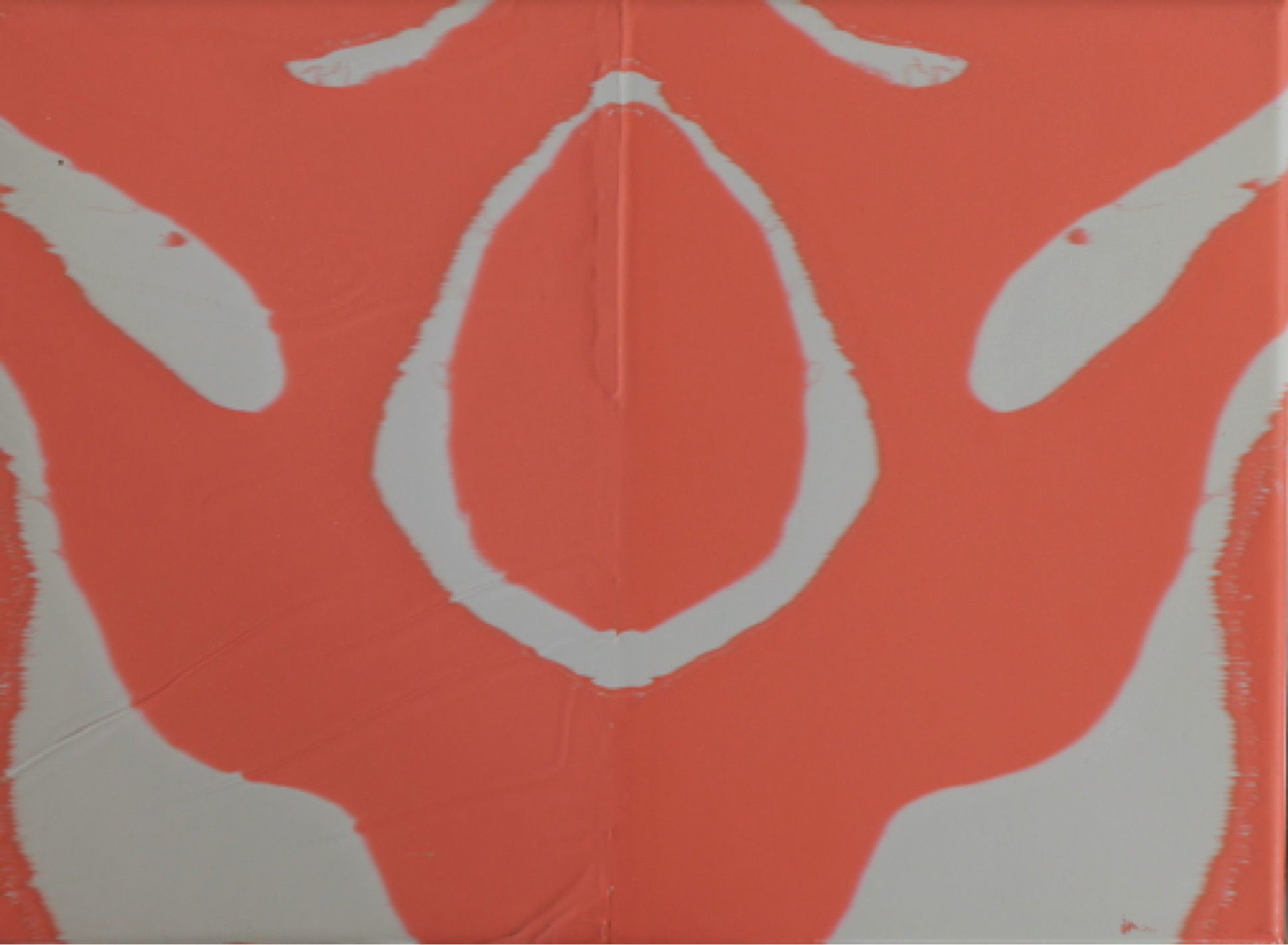
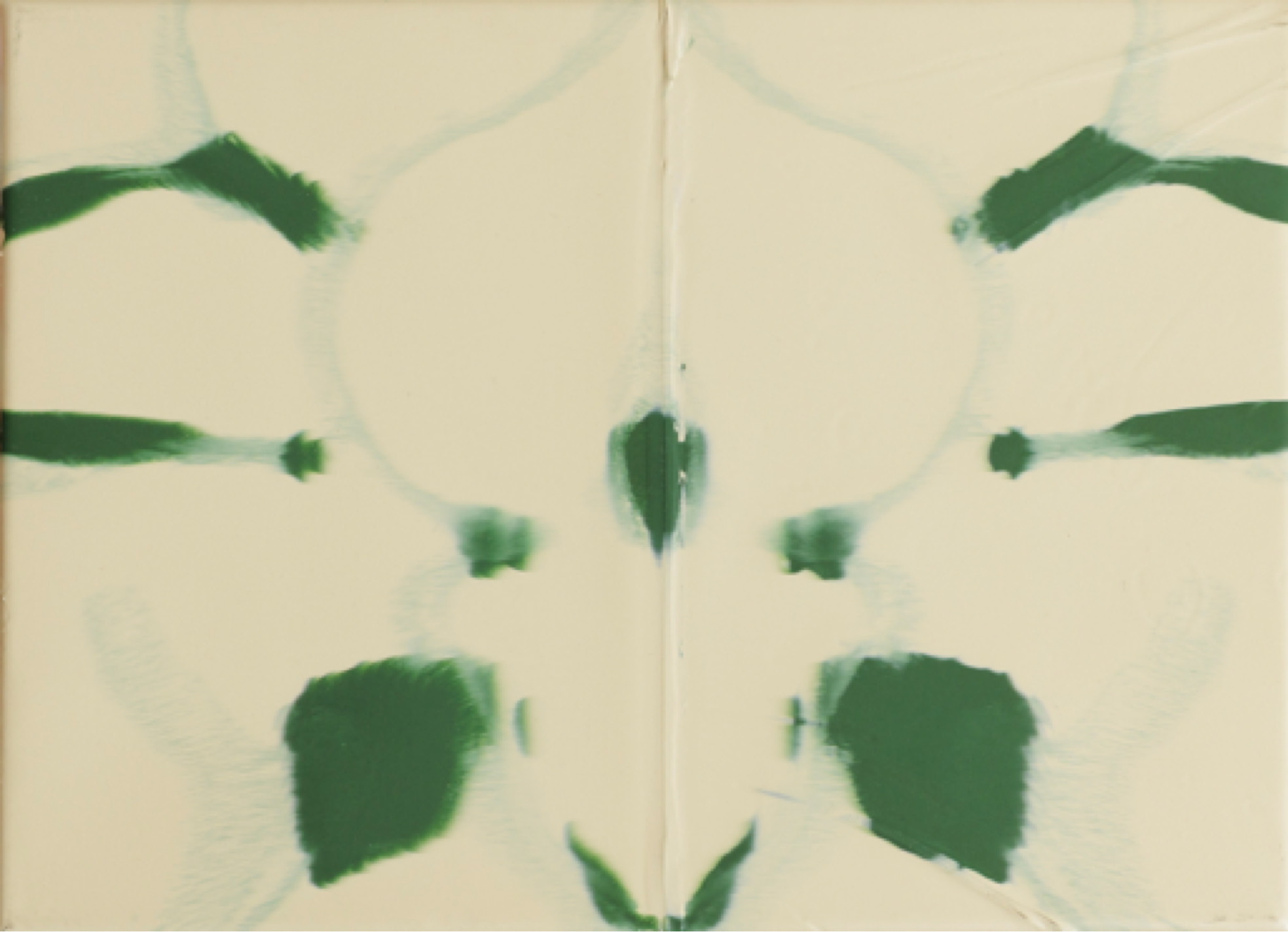
The Souffles began at the start of the 2000s. The artist functions in a simple manner by projecting his breath onto the coated canvas, allowing the timing and power of the expelled air to create a variable halo that literally unveils the underlying monochrome of the new.
*
Les Souffles sont des peintures pour lesquelles Ivan Fayard à substitué aux pinceaux l’usage de son seul souffle comme une projection physique de soi. C’est dire ce qui lie un tel acte à l’introspection, à l’autoportrait. Les Souffles contrastent en tout point, dans leur mode de production, avec les Cibles, toiles lentement réalisées. Pour ces Souffles, quelques secondes d’air expiré ont été nécessaires.
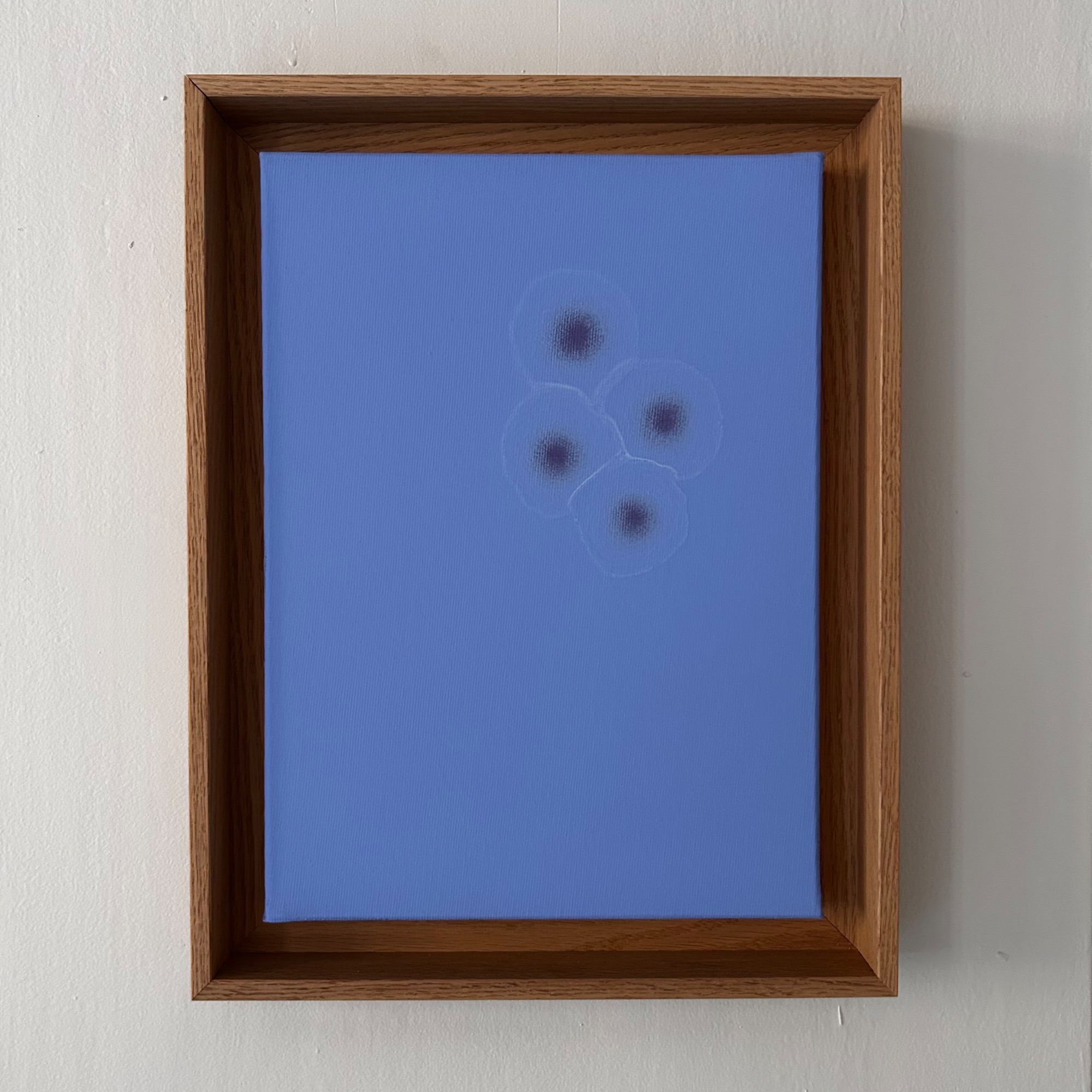
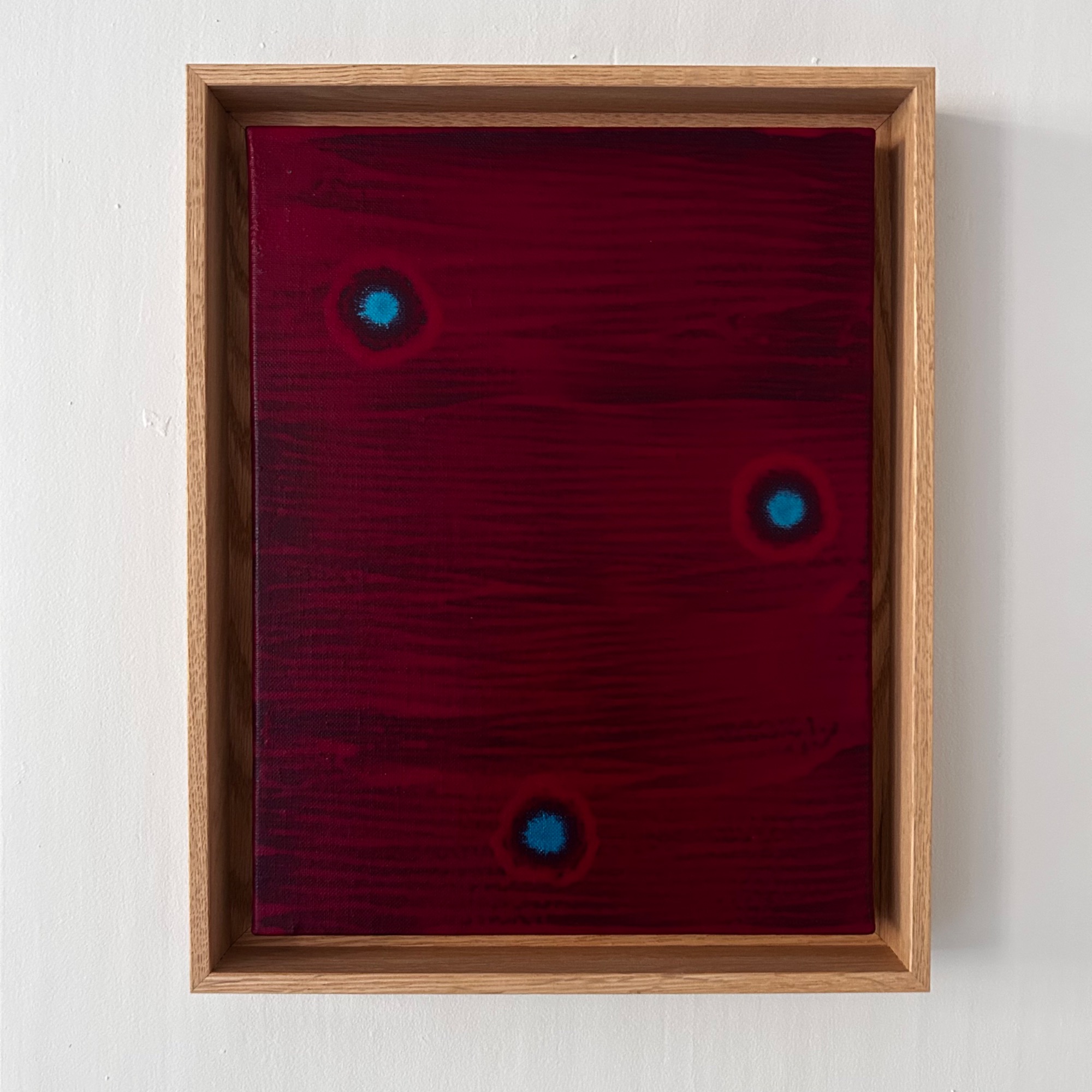
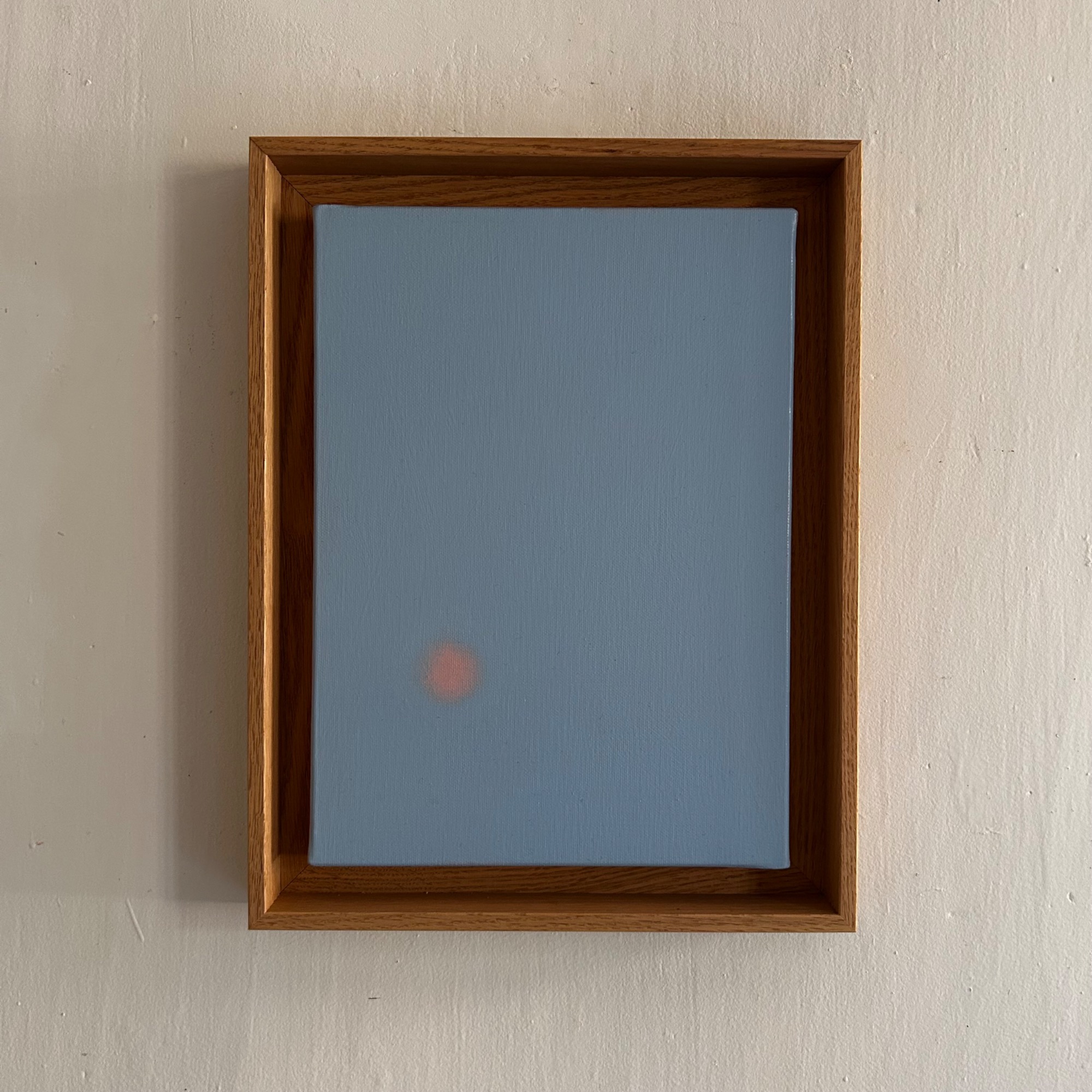
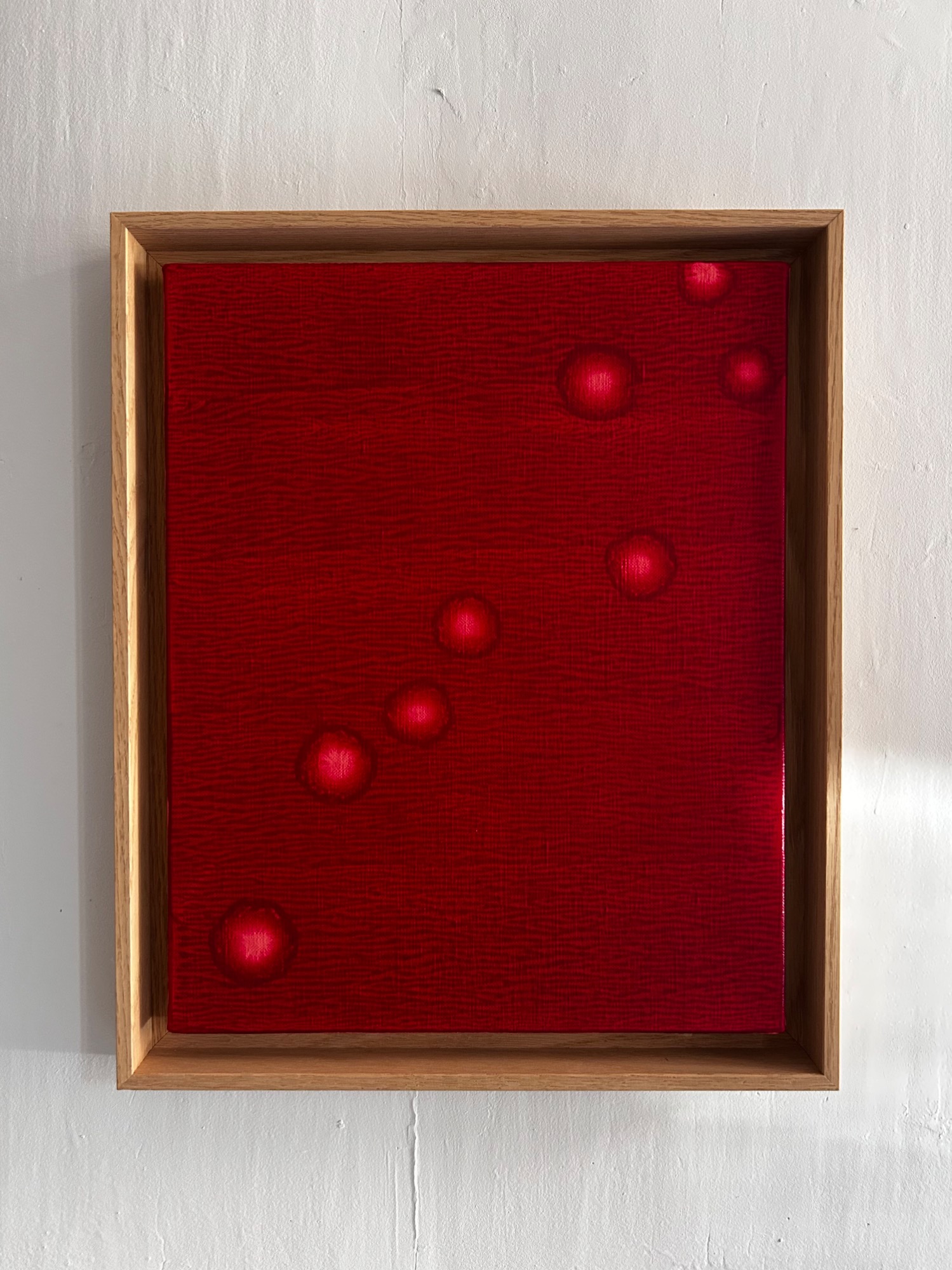
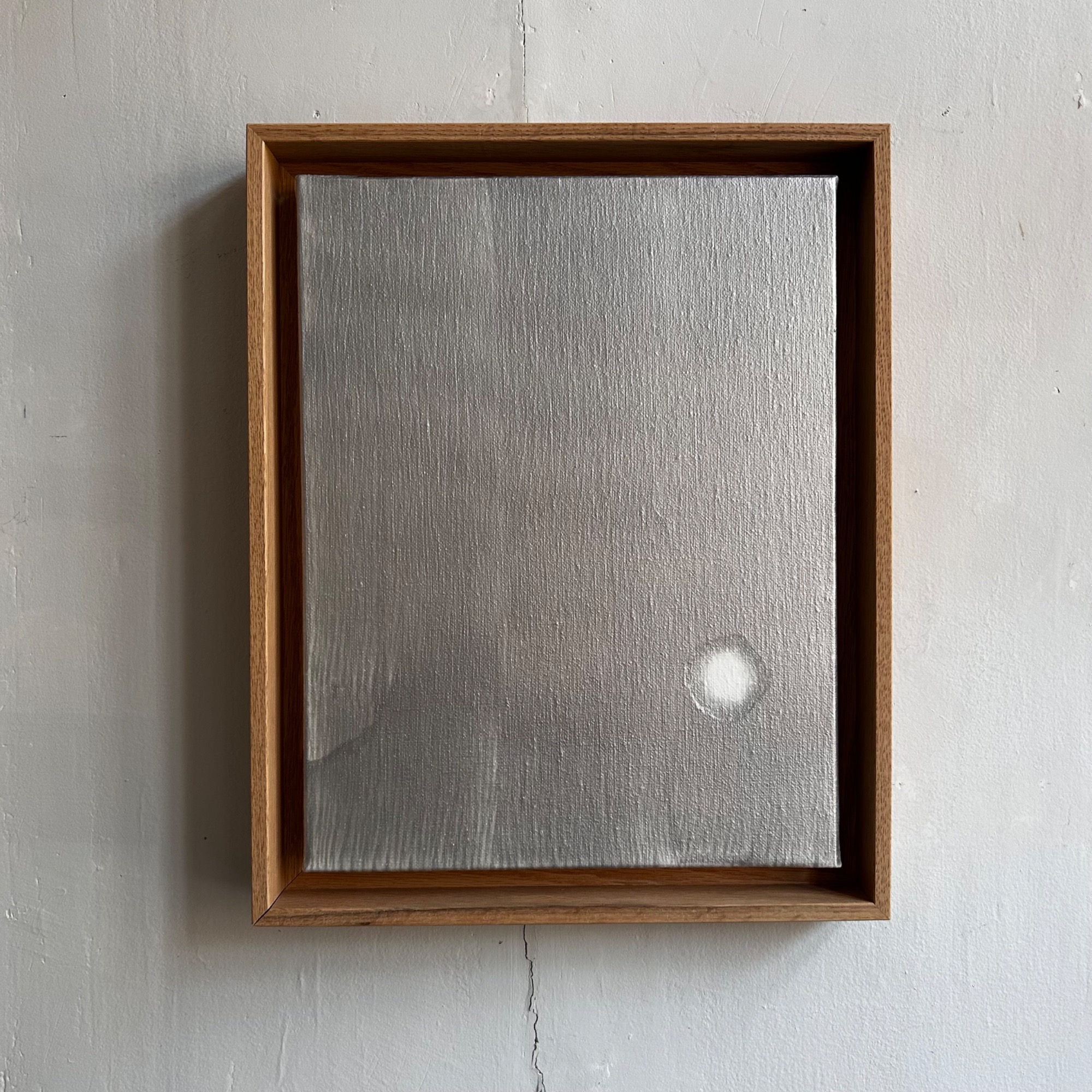
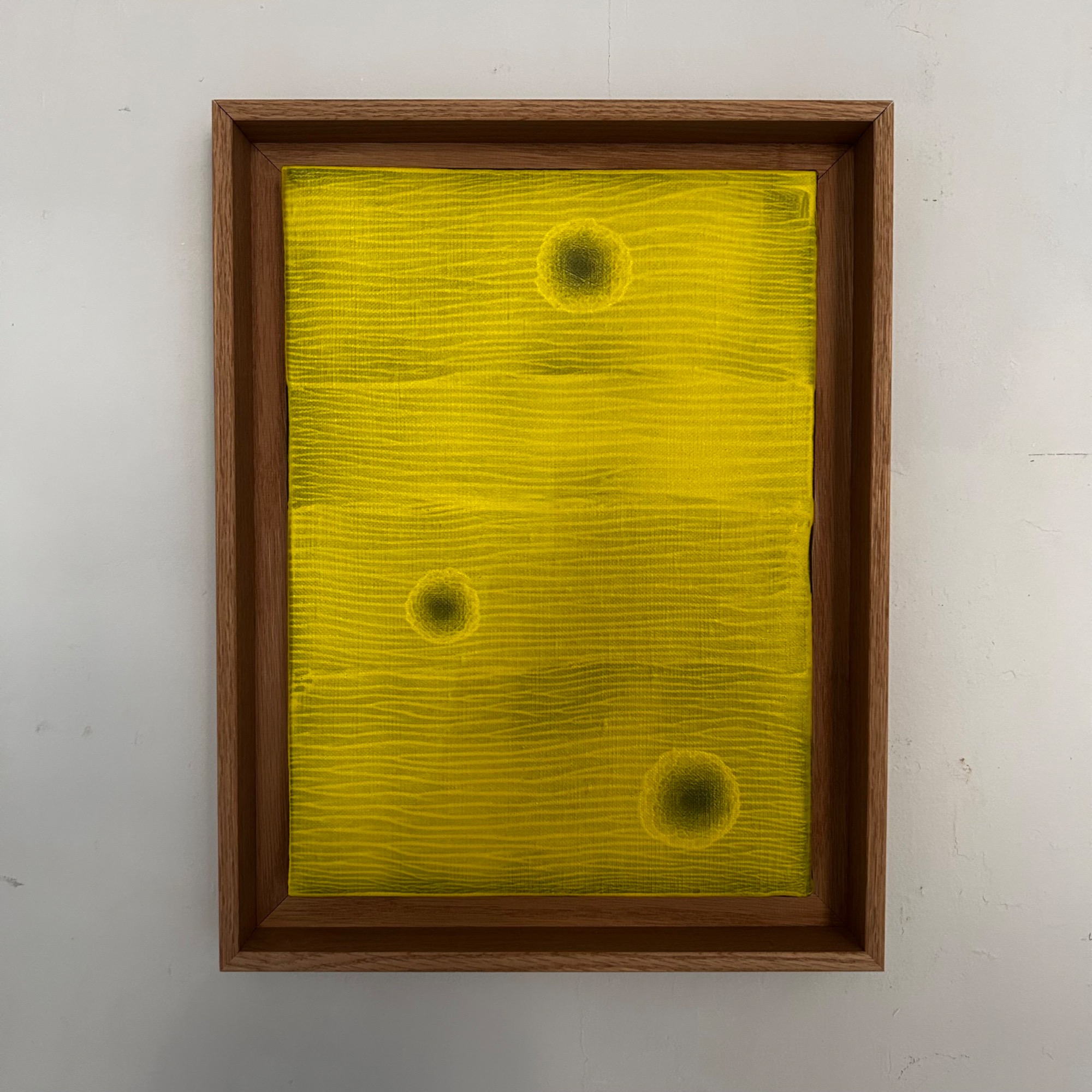
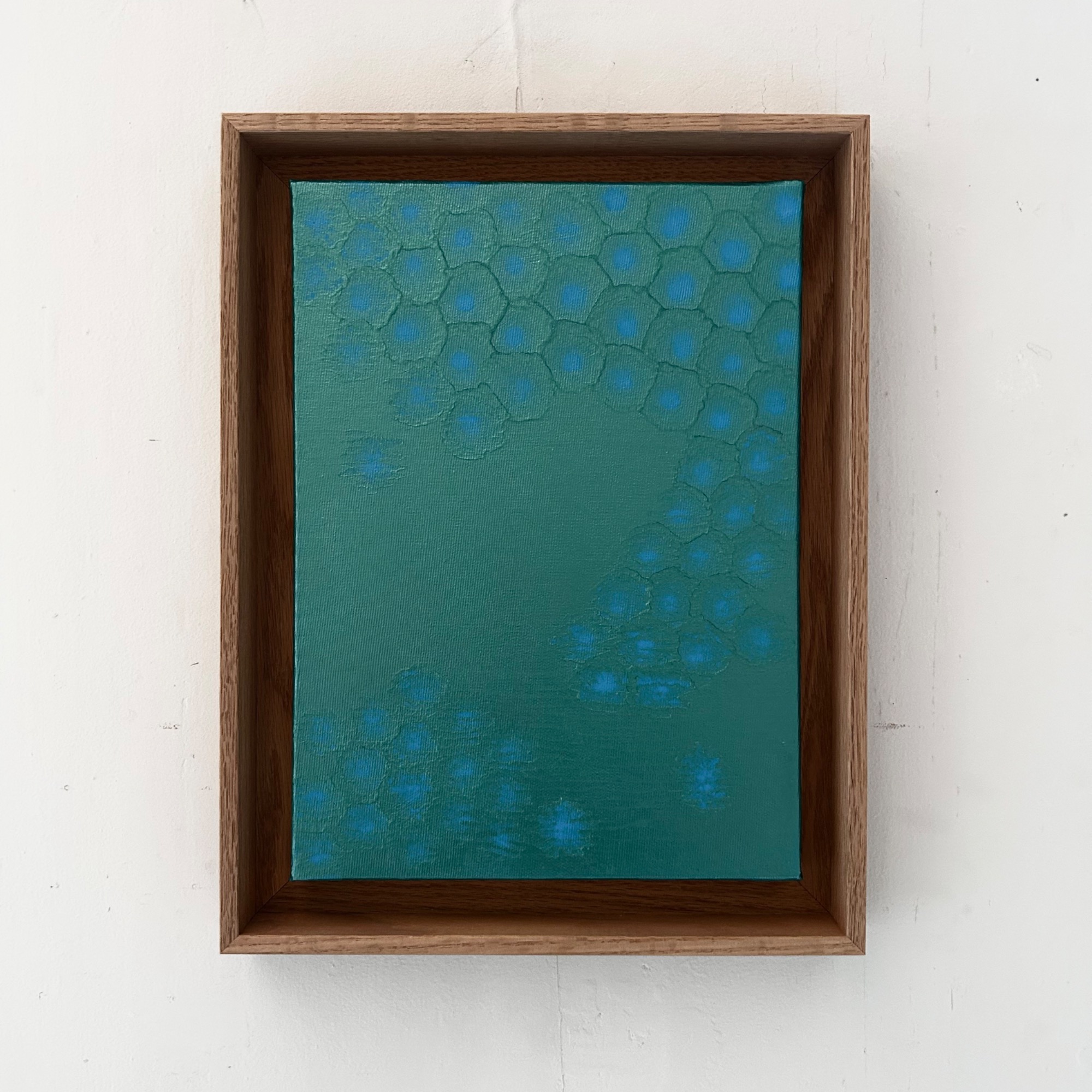
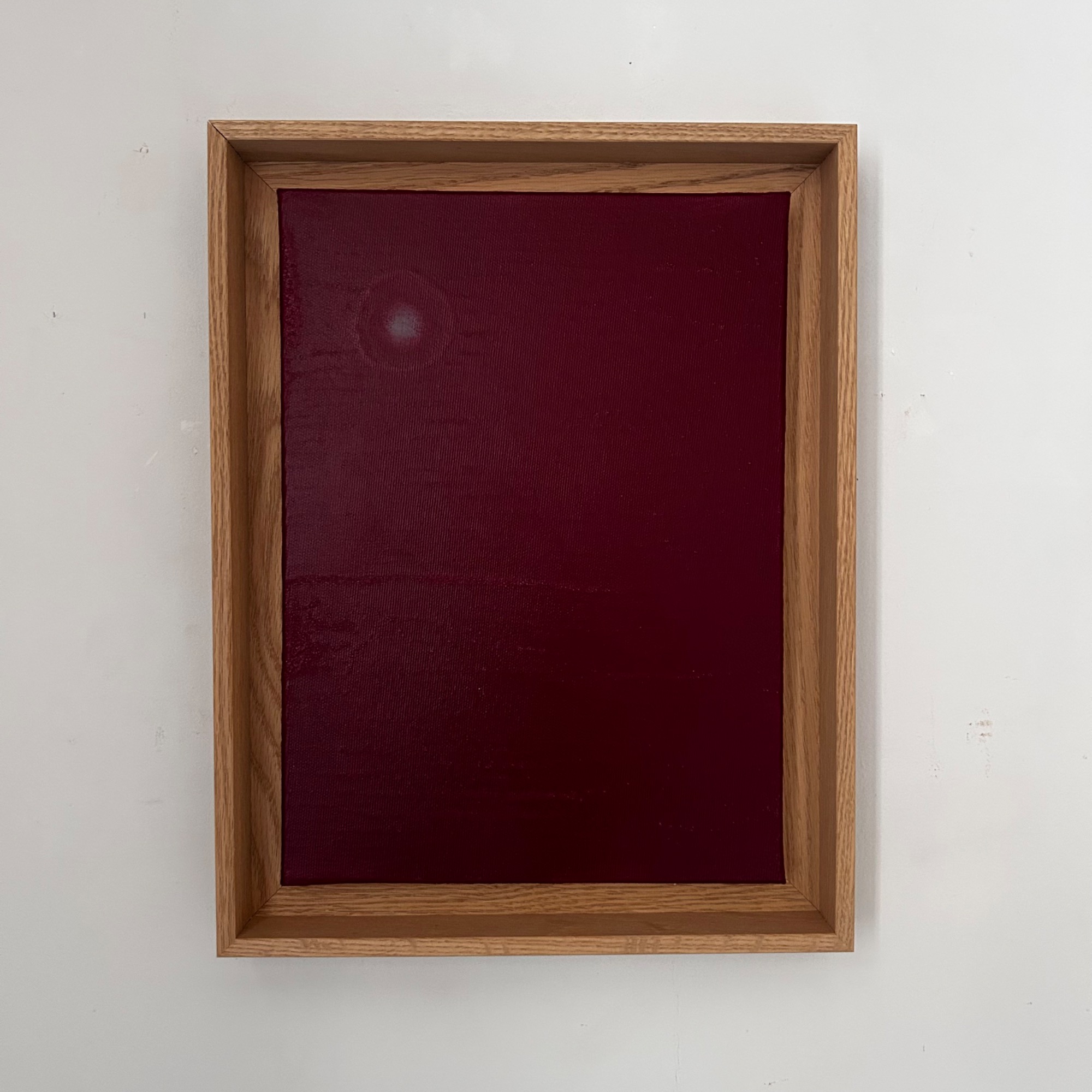
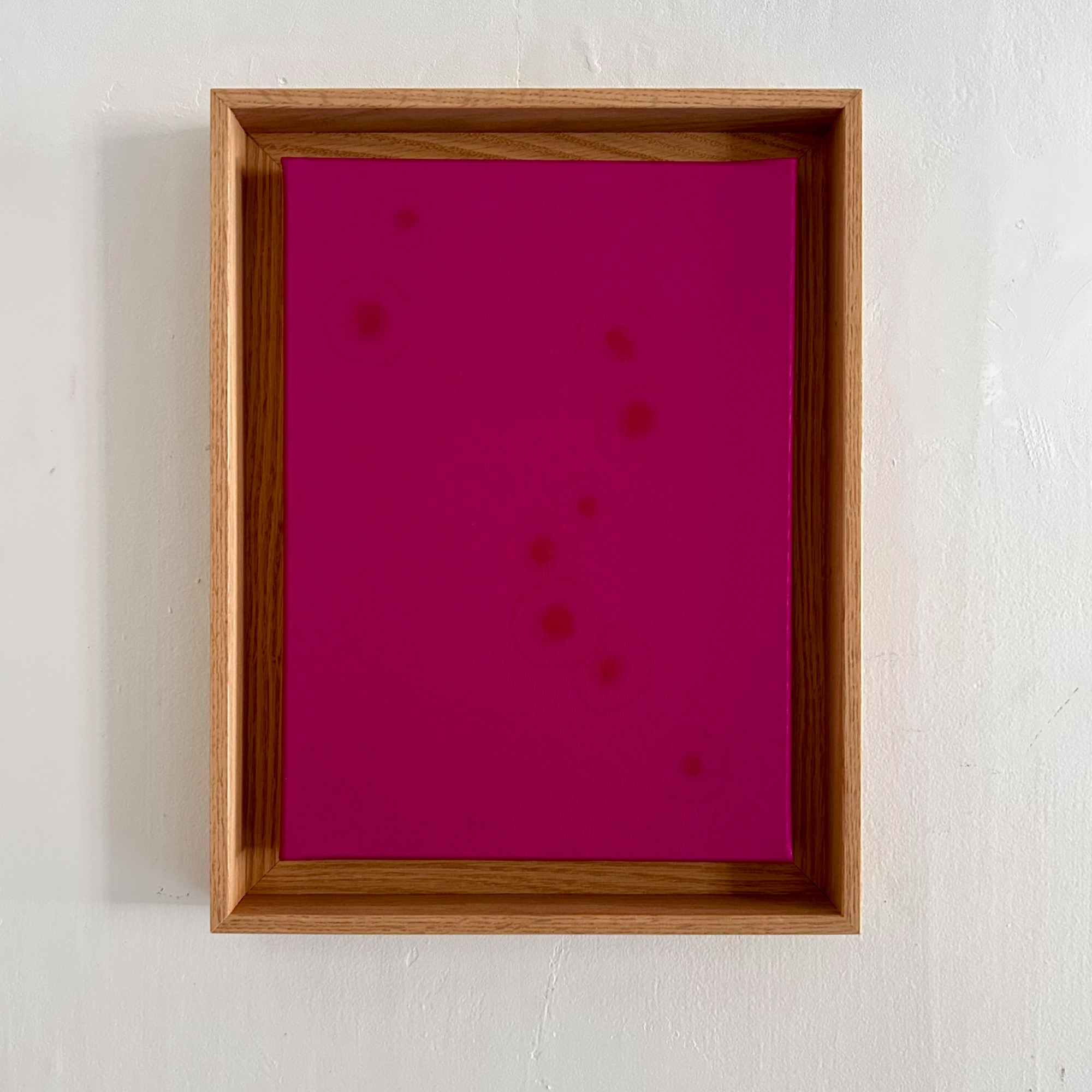
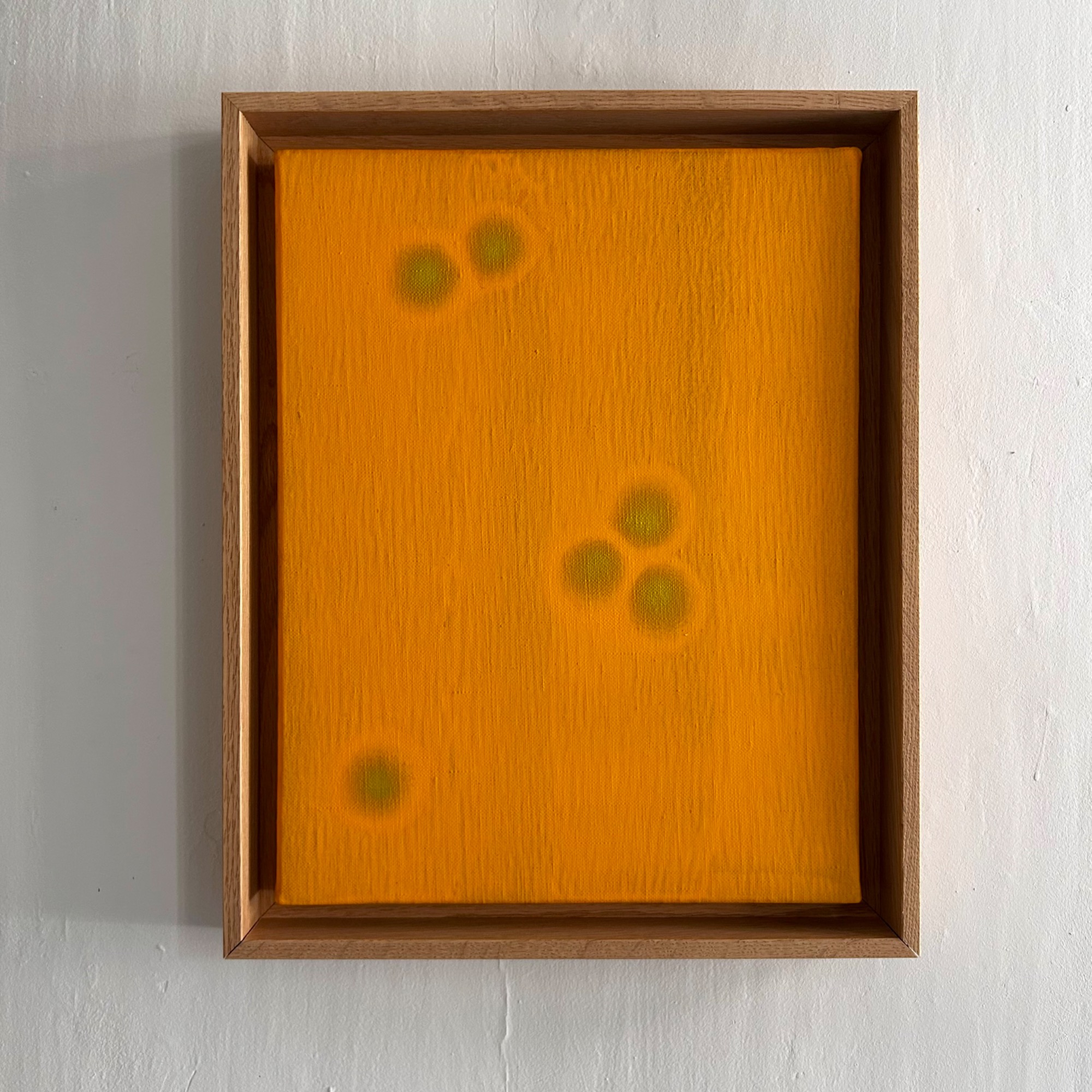
OKDA - 2025
Acryl. On Canvas
30 x 27 cm
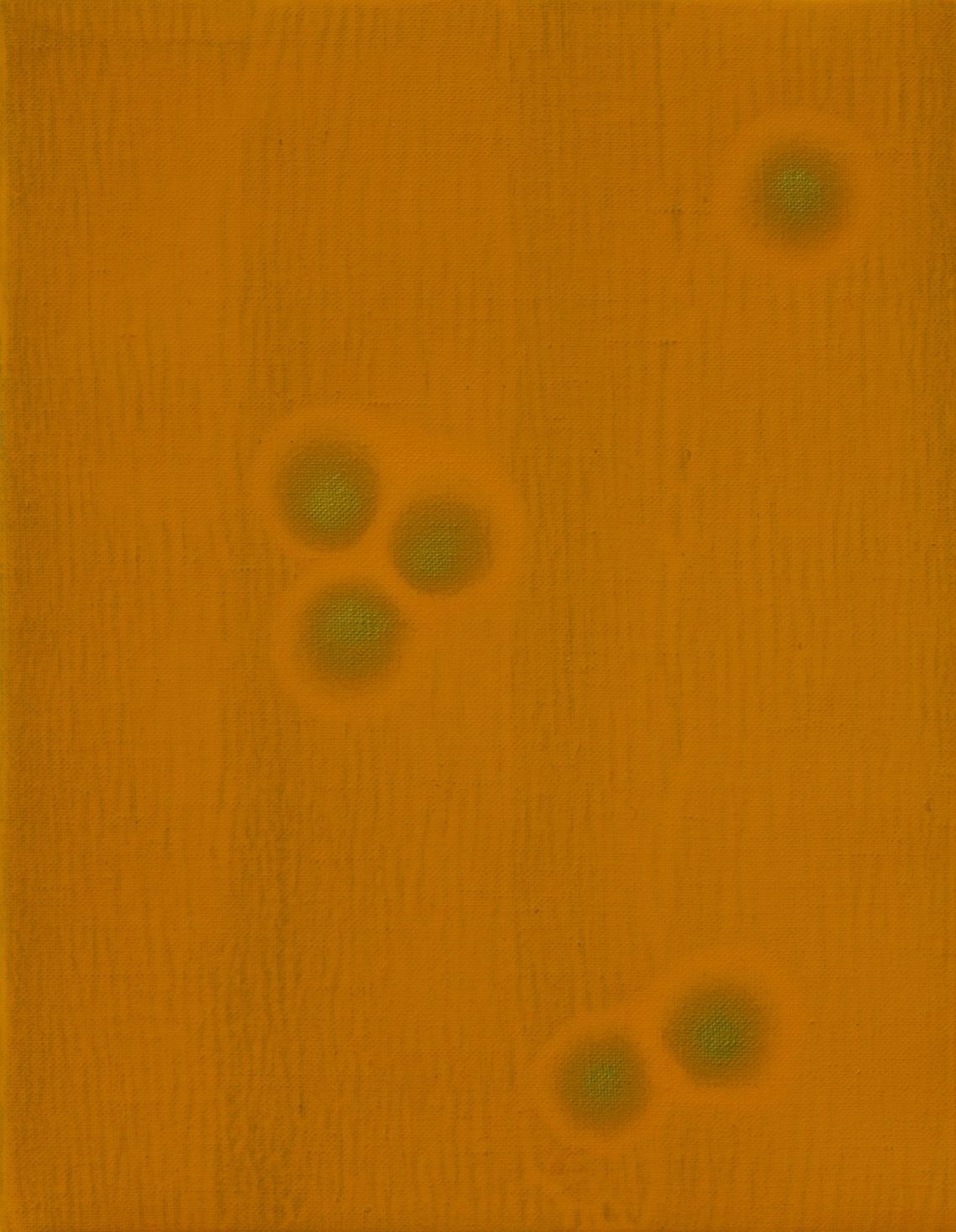
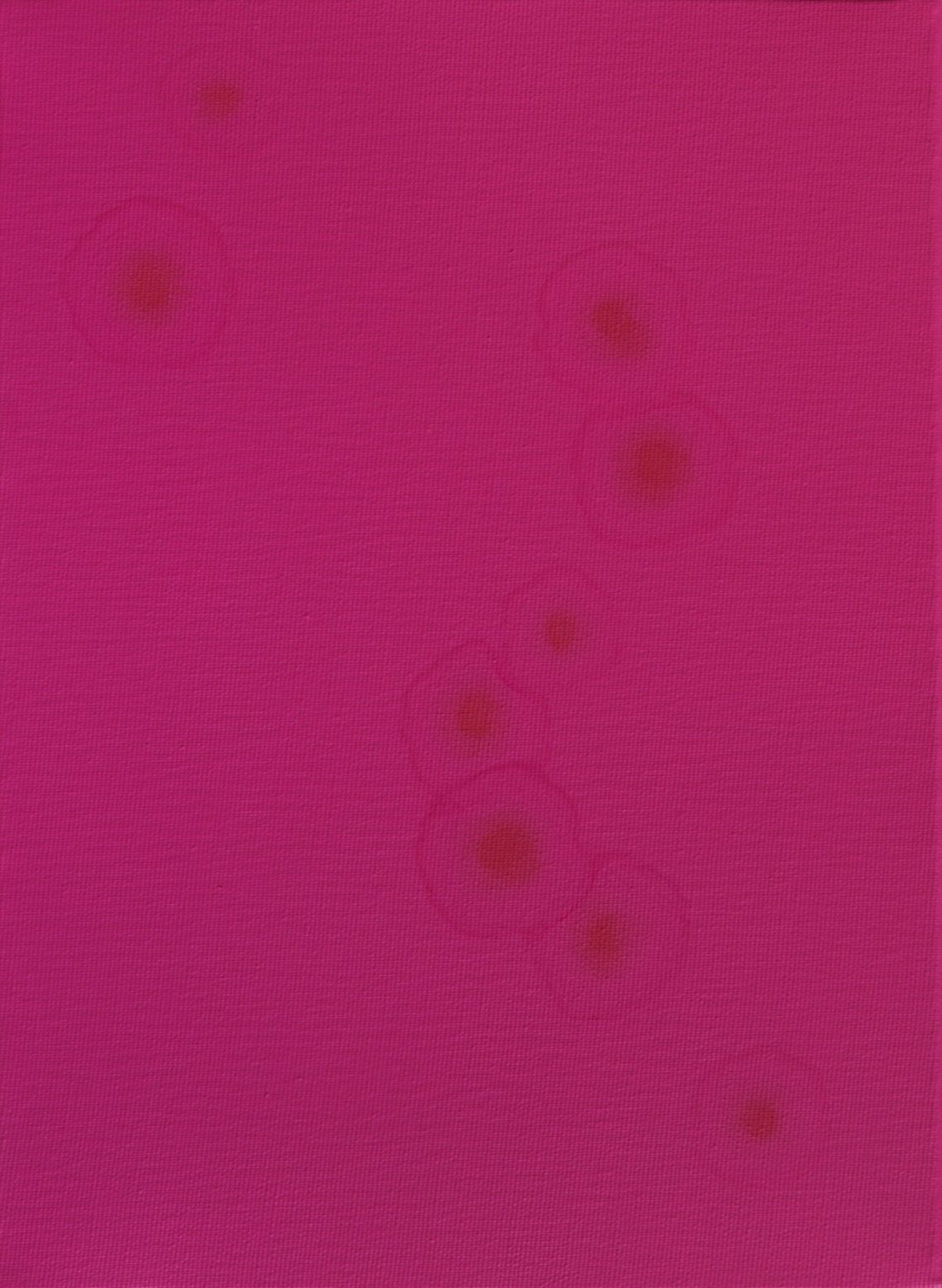
CELENO - 2026
Acryl. On Canvas
33 x 24 cm
NEKKAR - 2025
Acryl. On Canvas
33 x 24 cm
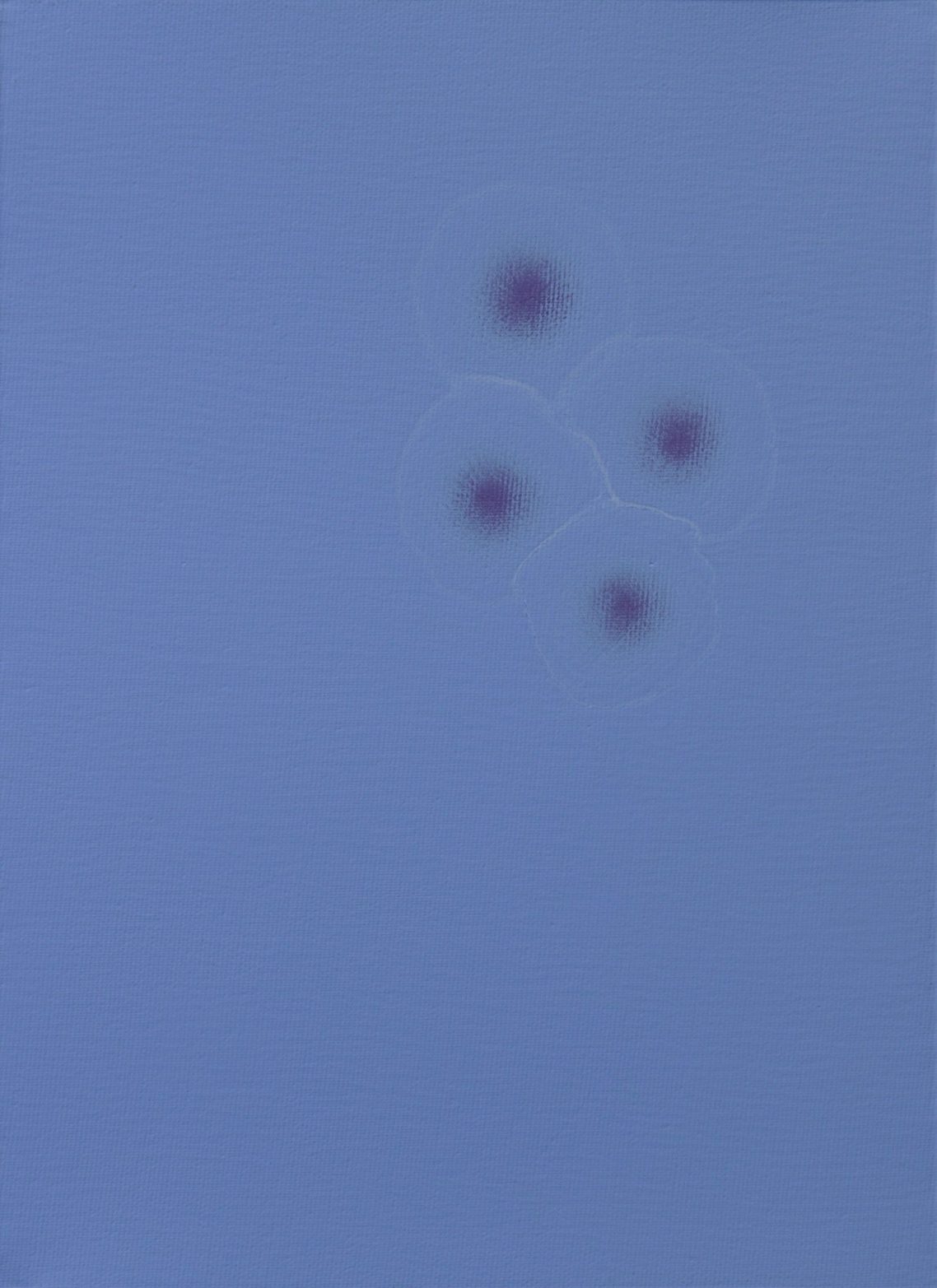
BELEL - 2025
Acryl. On Canvas
30 x 27 cm
RASTABEN - 2025
Acryl. On Canvas
41 x 33 cm.
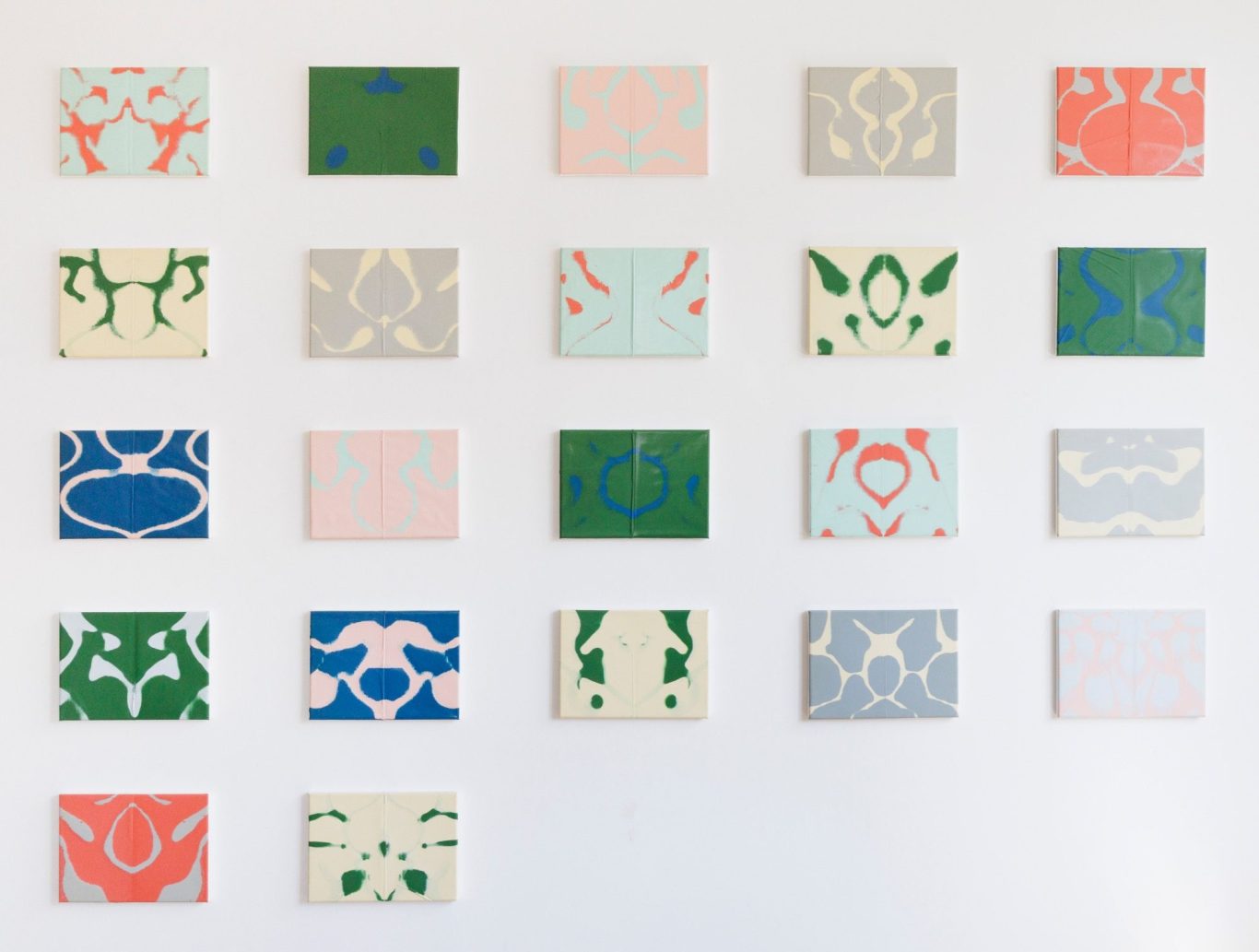
Twenty-two Butterflies
MUSCA’S CYCLE / Targets - Cibles
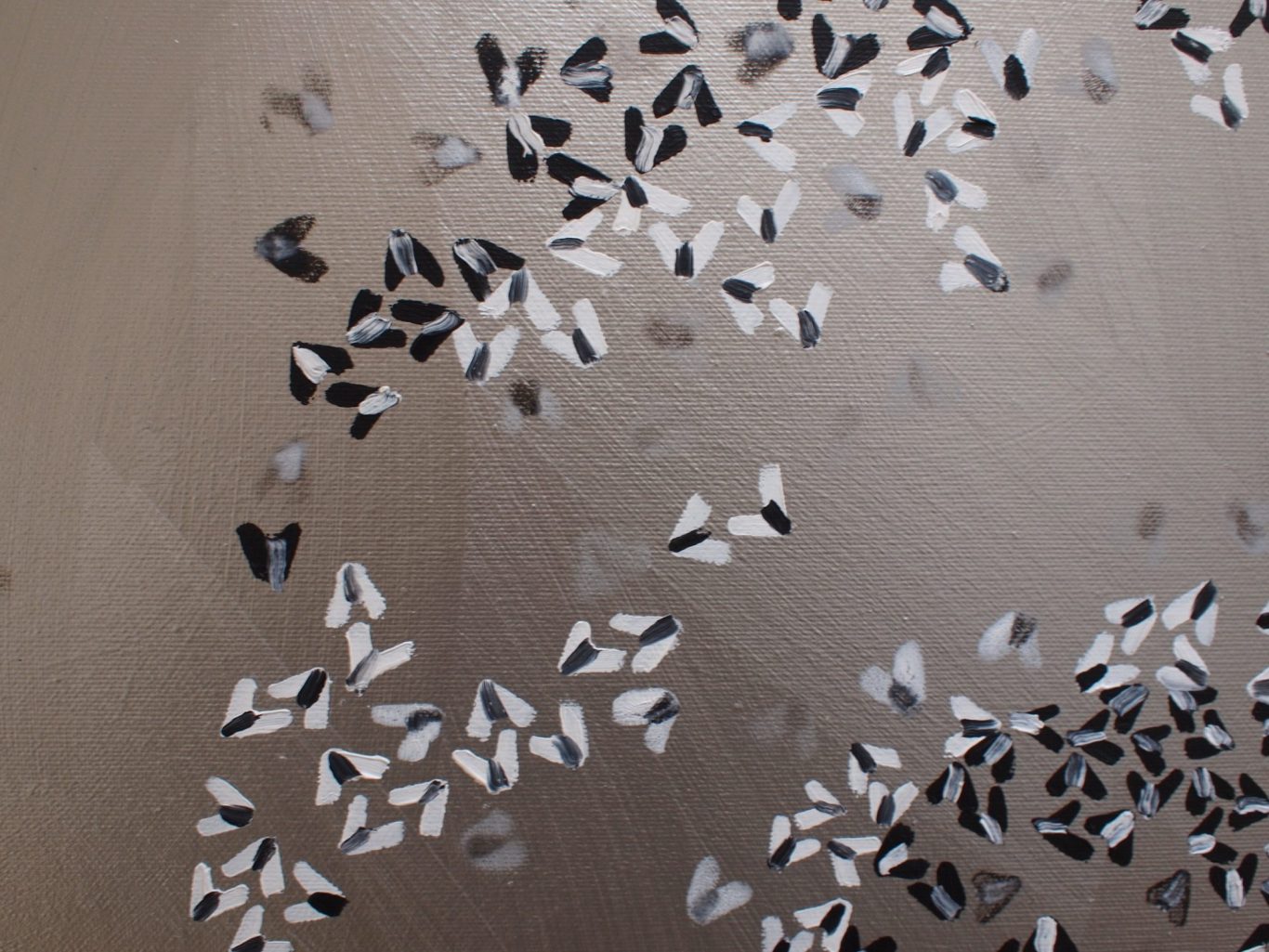
Gigi (Close-up)
English version
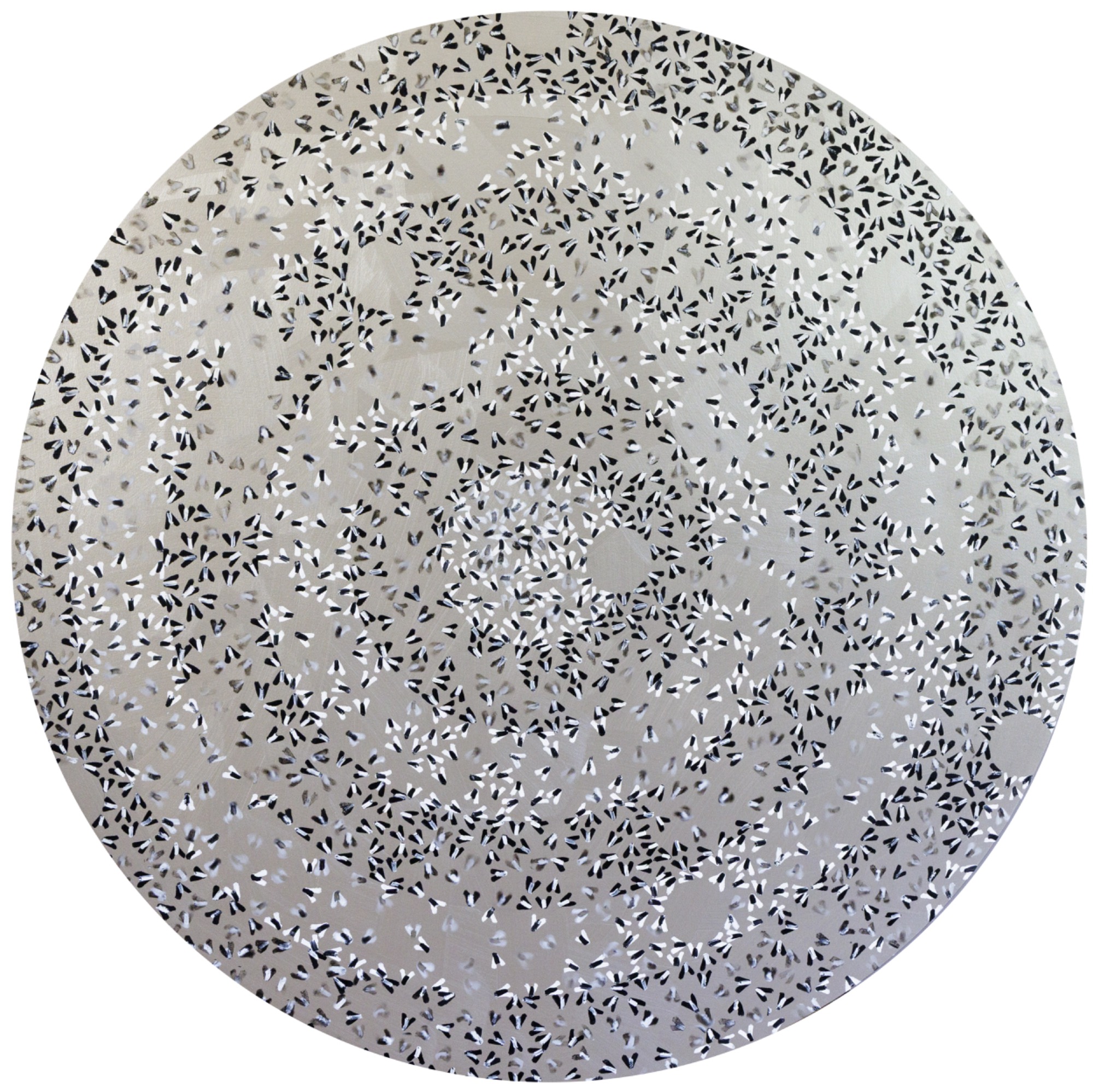
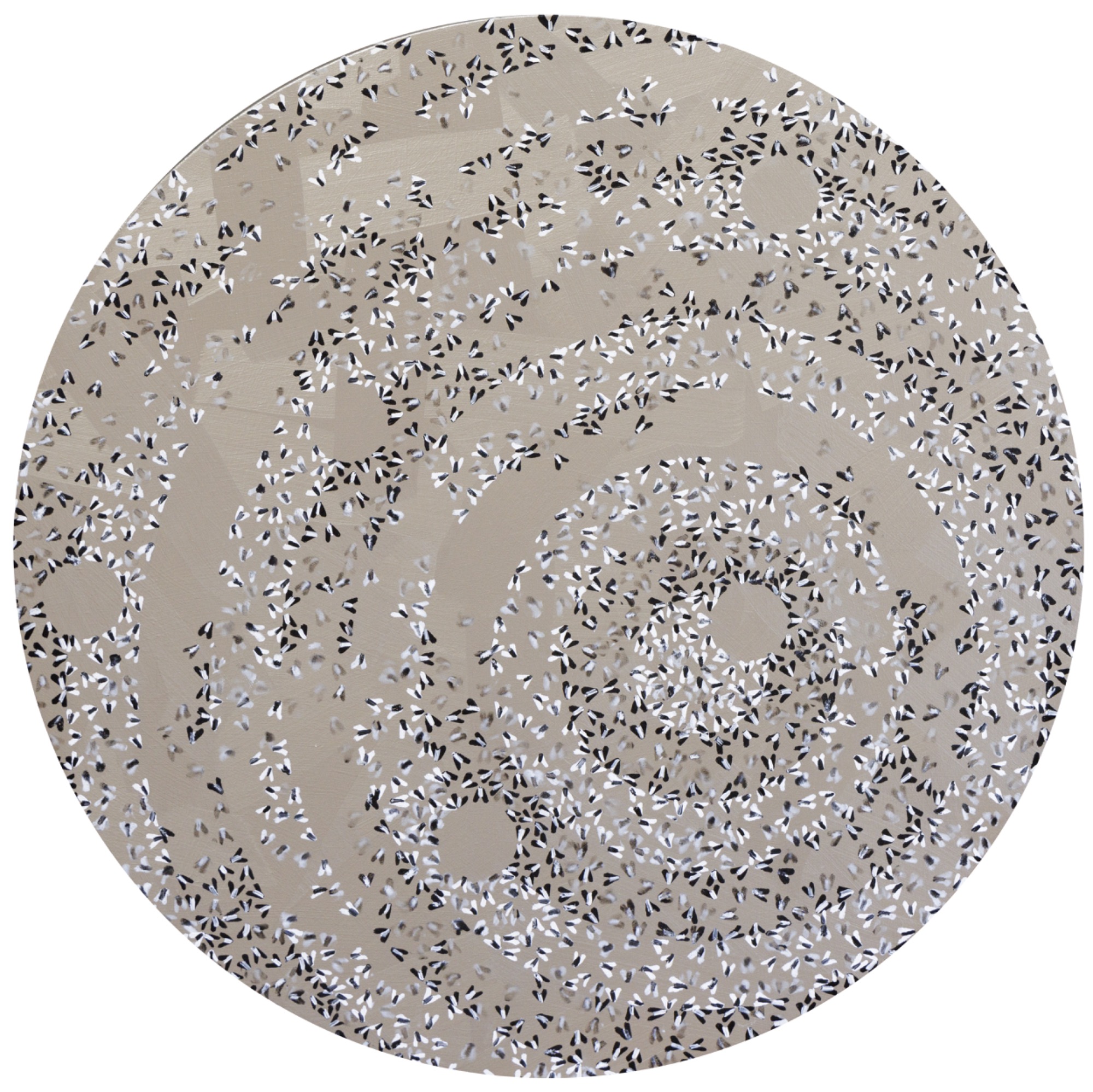
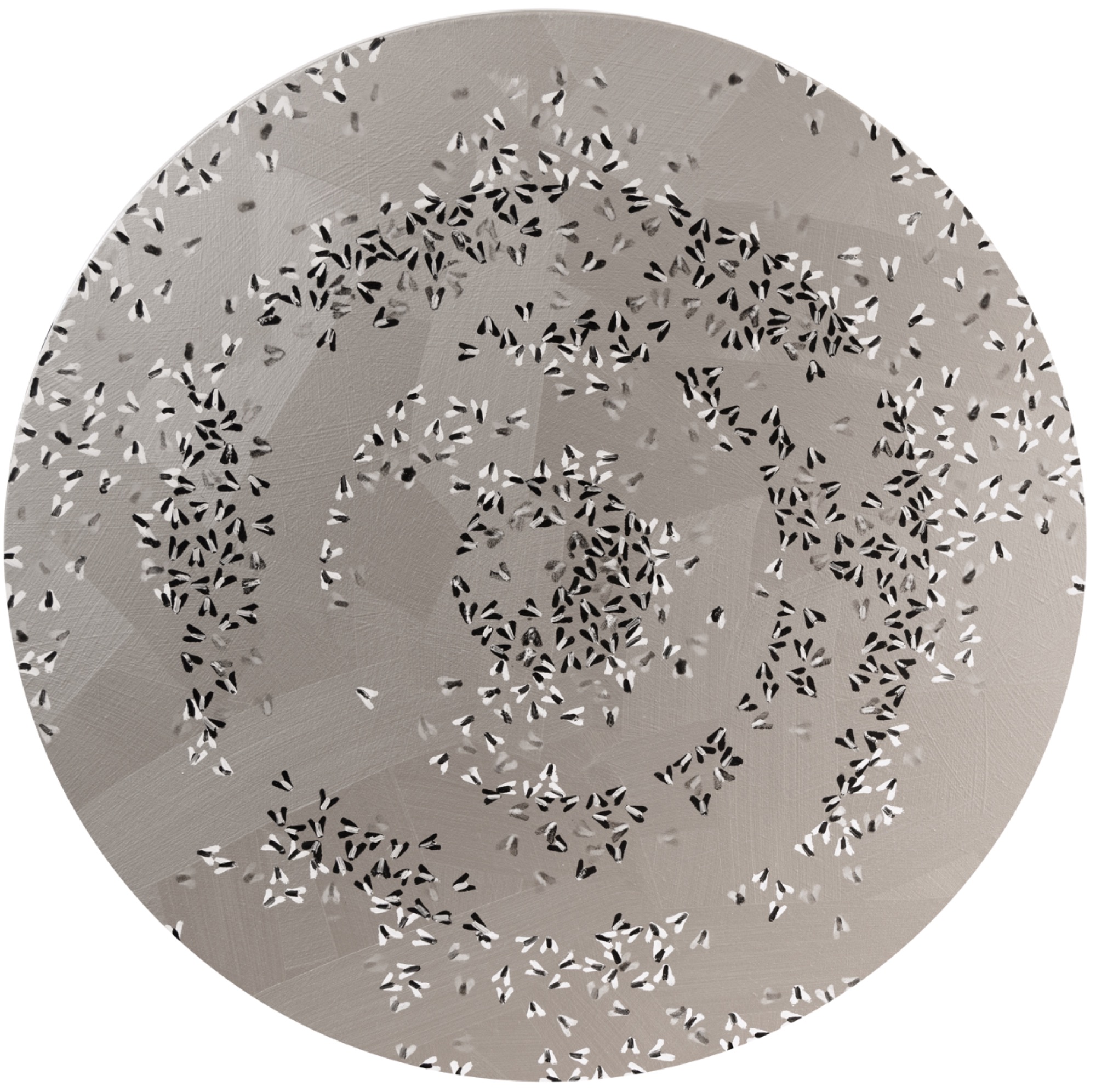
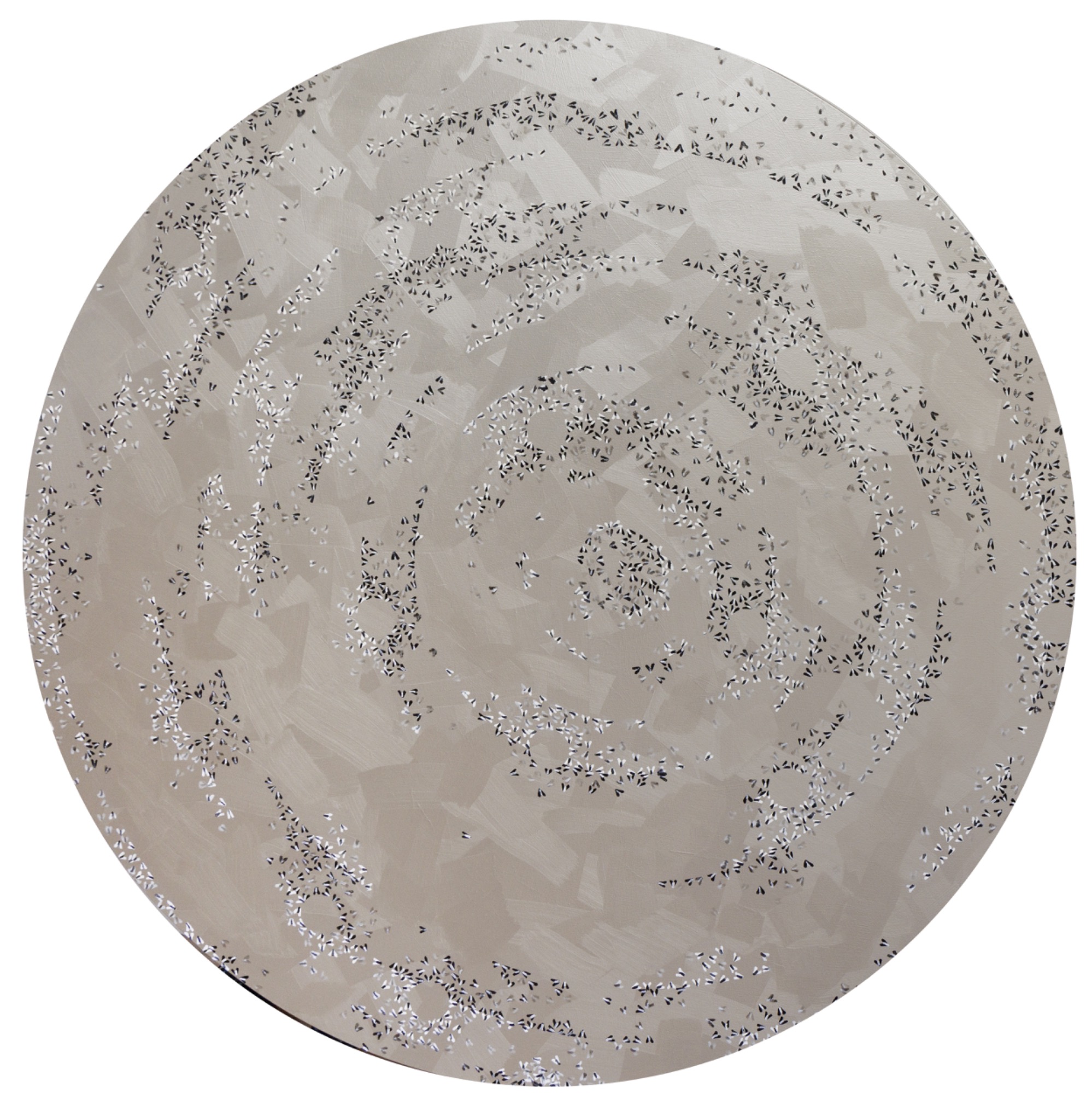
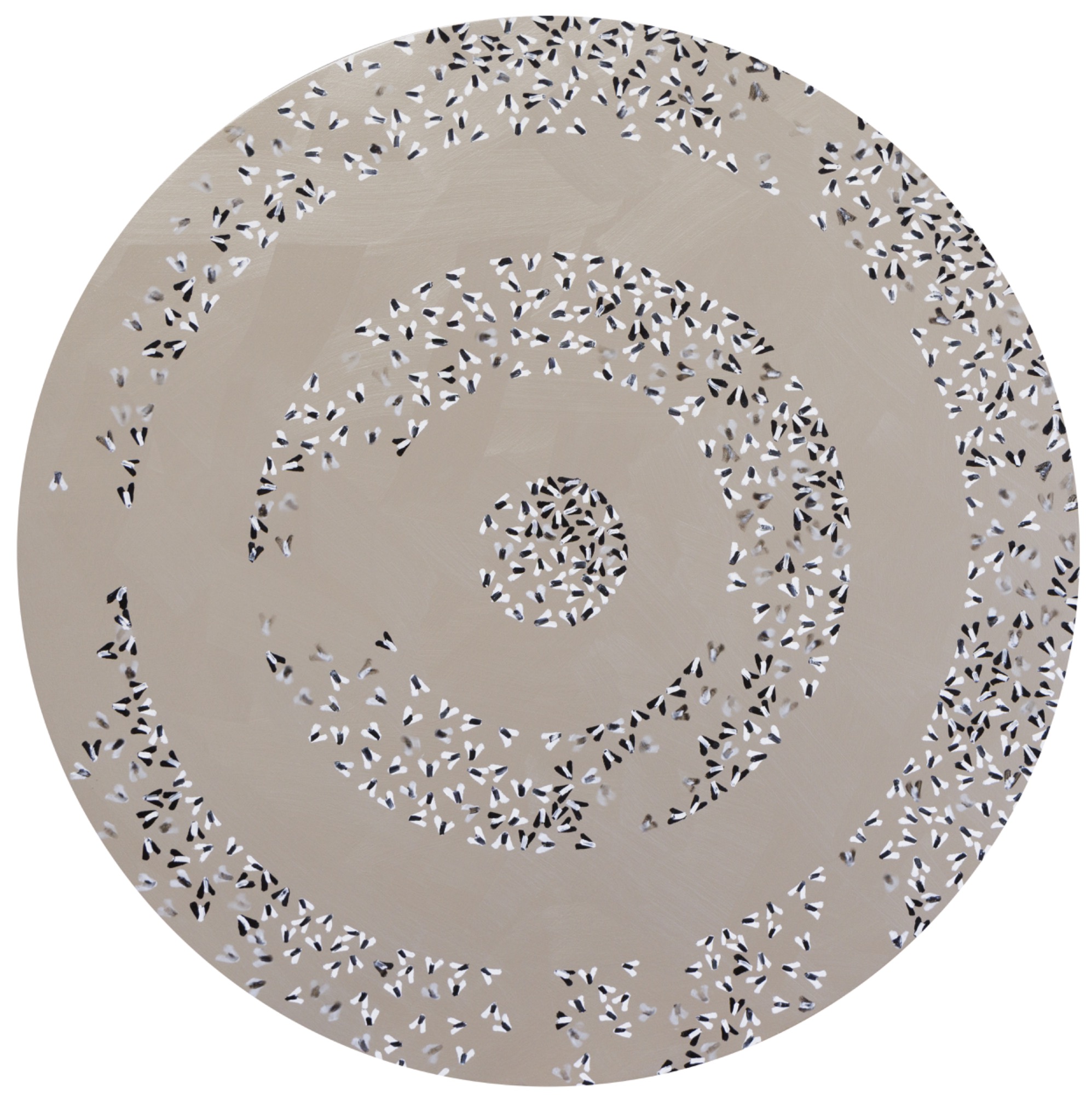
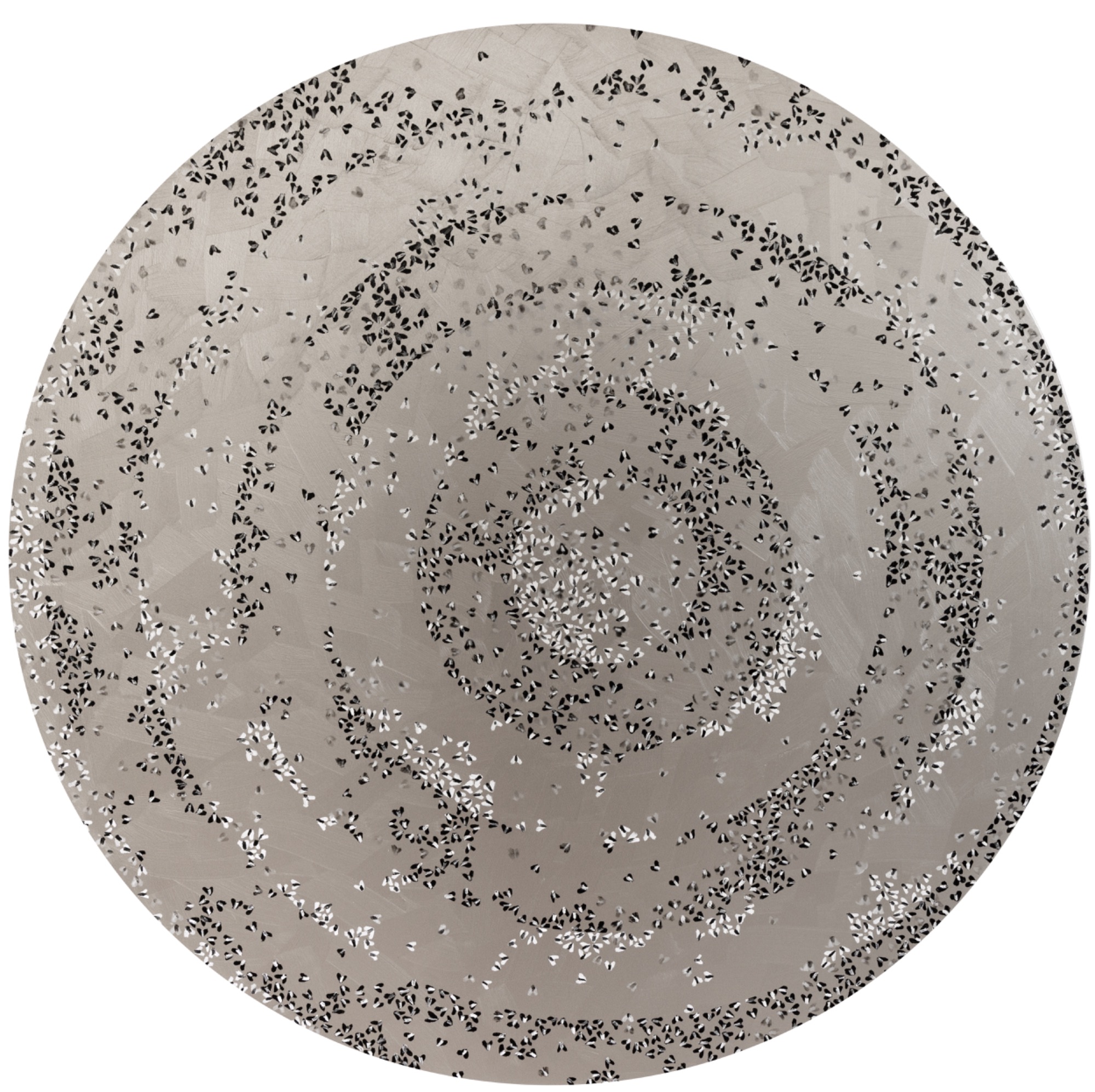
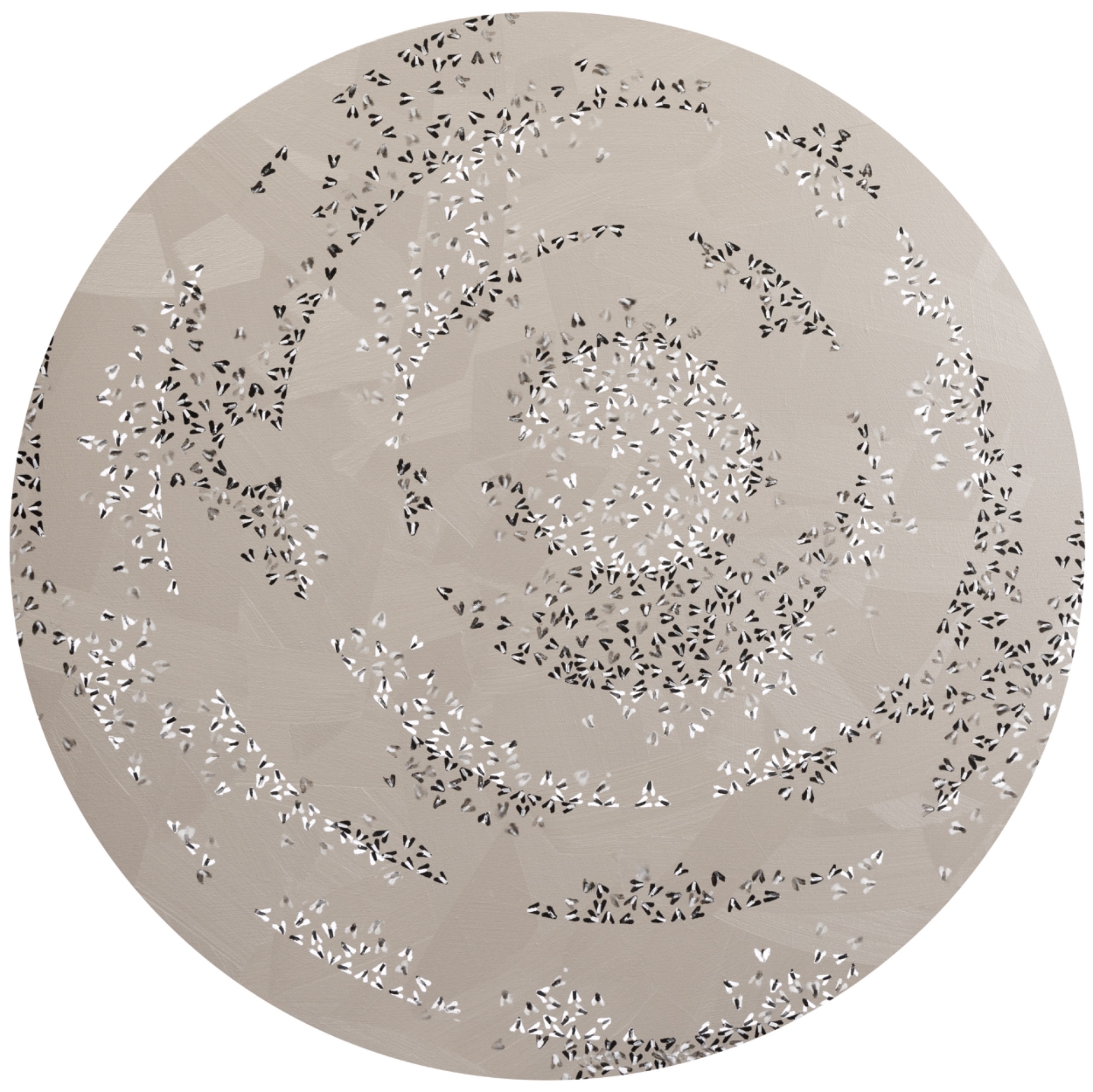
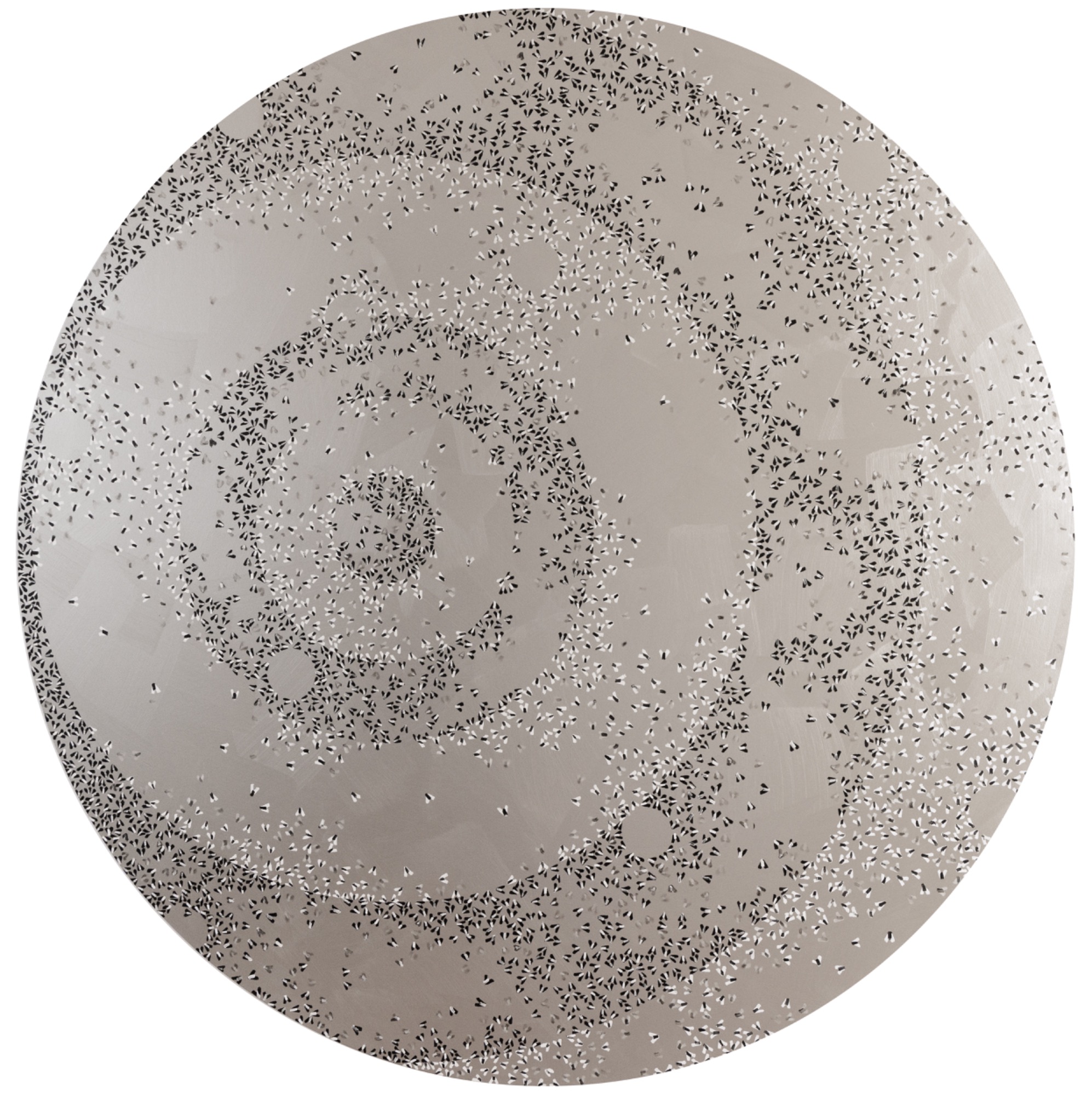
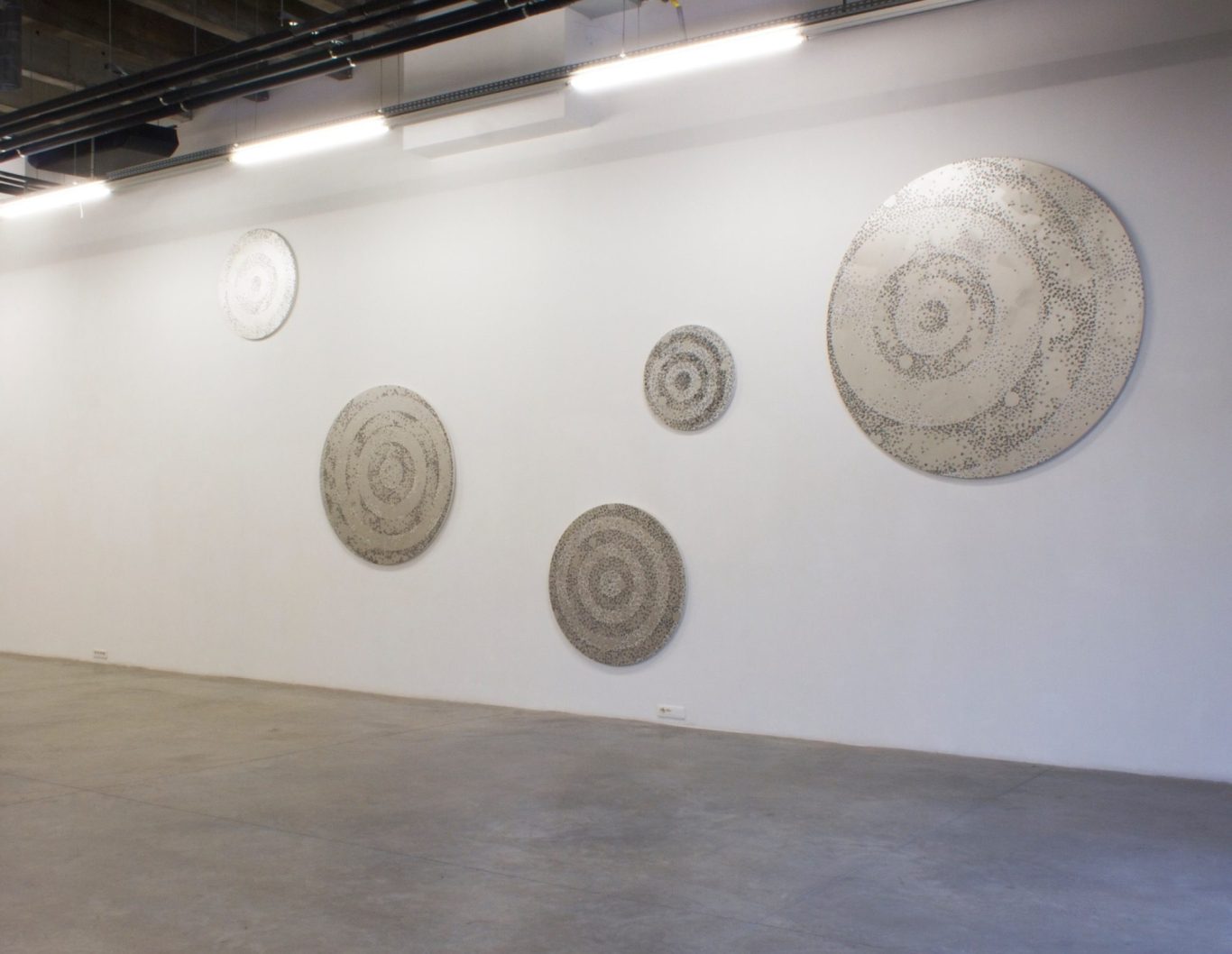
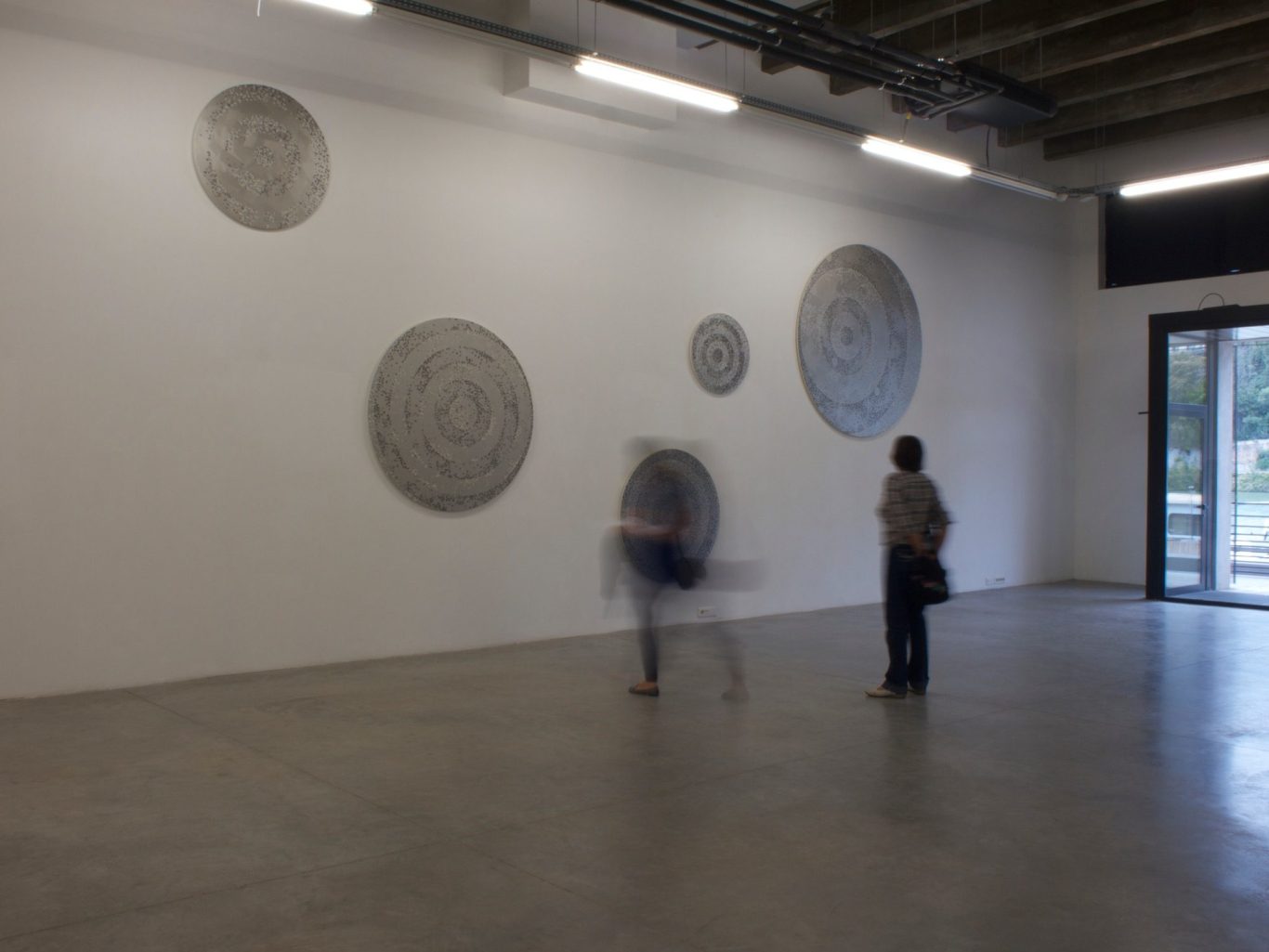
With the works in the Musca Cycle, Ivan Fayard focuses on the issue of blurring the target. If we consider their production process, these paintings are, first of all, grey panels. In this way, they refer back to the tradition of the monochrome, which “has haunted abstraction since its beginnings like the ghost of its possible end, this end of painting announced for the first time with a roar by Rodchenko.” Behind the monochrome’s silky plane, the cadaver of painting would therefore lie. Yet, on the surface of his grey panels, Ivan Fayard has painted hundreds of stylised flies, as though signifying that this cadaver still provides plenty to feast upon. These flies, symbol of vanity or makeup element for 18th century Élégantes, are alternately black and white. This alternation creates concentric stripes which form on the grey veil of the monochrome – or rather beneath it, insofar as the flies seem to burrow into the painting, giving it depth – a target. But this target is subverted. Although he revives certain geometric painting by introducing a virus into the monochrome, at the same time Ivan Fayard keeps his distance from it; he approaches it with irony.
The choice of the fly as unit, whose repetition creates the painting’s pattern, is not innocent. Incidentally, these swarms of insects present in the works of the Musca Cycle bring to mind an anecdote by Vasari, who said, “Giotto, in his youth, one day painted a fly on the nose of a figure that Cimabue had initially started painting. The realism was such, that Giotto’s master, when settling back down to his work, tried to swot the fly away with his hand several times before realising his mistake.”
French version
Avec les oeuvres du Cycle Musca, Ivan Fayard s’inscrit dans la problématique consistant à brouiller la cible. Si l’on considère leur processus de production, ces peintures sont d’abord des panneaux gris. En ce sens, elles renvoient à la tradition du monochrome, qui « a hanté l’abstraction depuis ses débuts comme le spectre de sa fin possible, cette fin de la peinture annoncée unepremière fois avec fracas par Rodchenko ». Derrière le plan lisse du monochrome, il y aurait donc le cadavre de la peinture. Or, à la surface de ses panneaux gris, Ivan Fayard a peint des centaines de mouches stylisées, comme pour signifier qu’il y avait encore de quoi se nourrir sur ce cadavre. Ces mouches, symbole de la vanité ou élément du maquillage des élégantes au XVIIIe siècle, sont alternativement blanches et noires. Cette alternance dessine des rayures concentriques qui forment sur le voile gris du monochrome – ou plutôt en dessous, dans la mesure où les mouches semblent creuser le tableau, lui donner une profondeur – une cible. Mais cette cible est corrompue. S’il restaure une certaine peinture géométrique en introduisant un virus dans le monochrome, Ivan Fayard prend en même temps ses distances avec elle, il l’aborde avec ironie. Le choix de la mouche comme unité dont la répétition forme le motif du tableau n’est pas innocent. Incidemment, les nuées d’insectes présents dans les oeuvres de la série Musca(s) rappellent une anecdote rapportée par Vasari. Selon ce dernier, « Giotto, dans sa jeunesse, peignit un jour d’une manière si frappante une mouche sur le nez d’une figure commencée par Cimabue que ce maître, en se remettant à son travail, essaya plusieurs fois de la chasser de la main avant de s’apercevoir de sa méprise. »
Landscapes
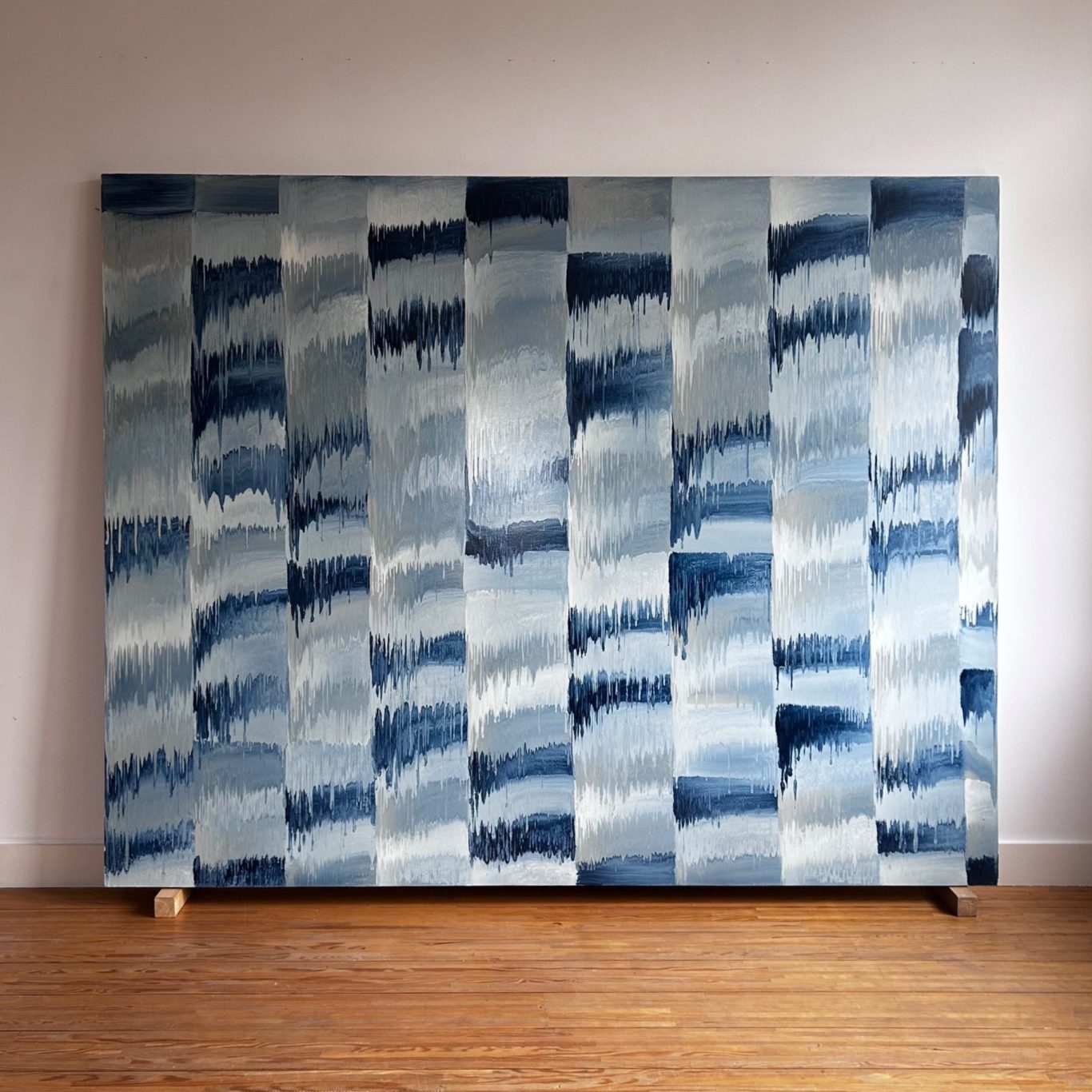
STATION - 1999
Alkyd on canvas
180 x 240 cm
Studio view, Paris 2026
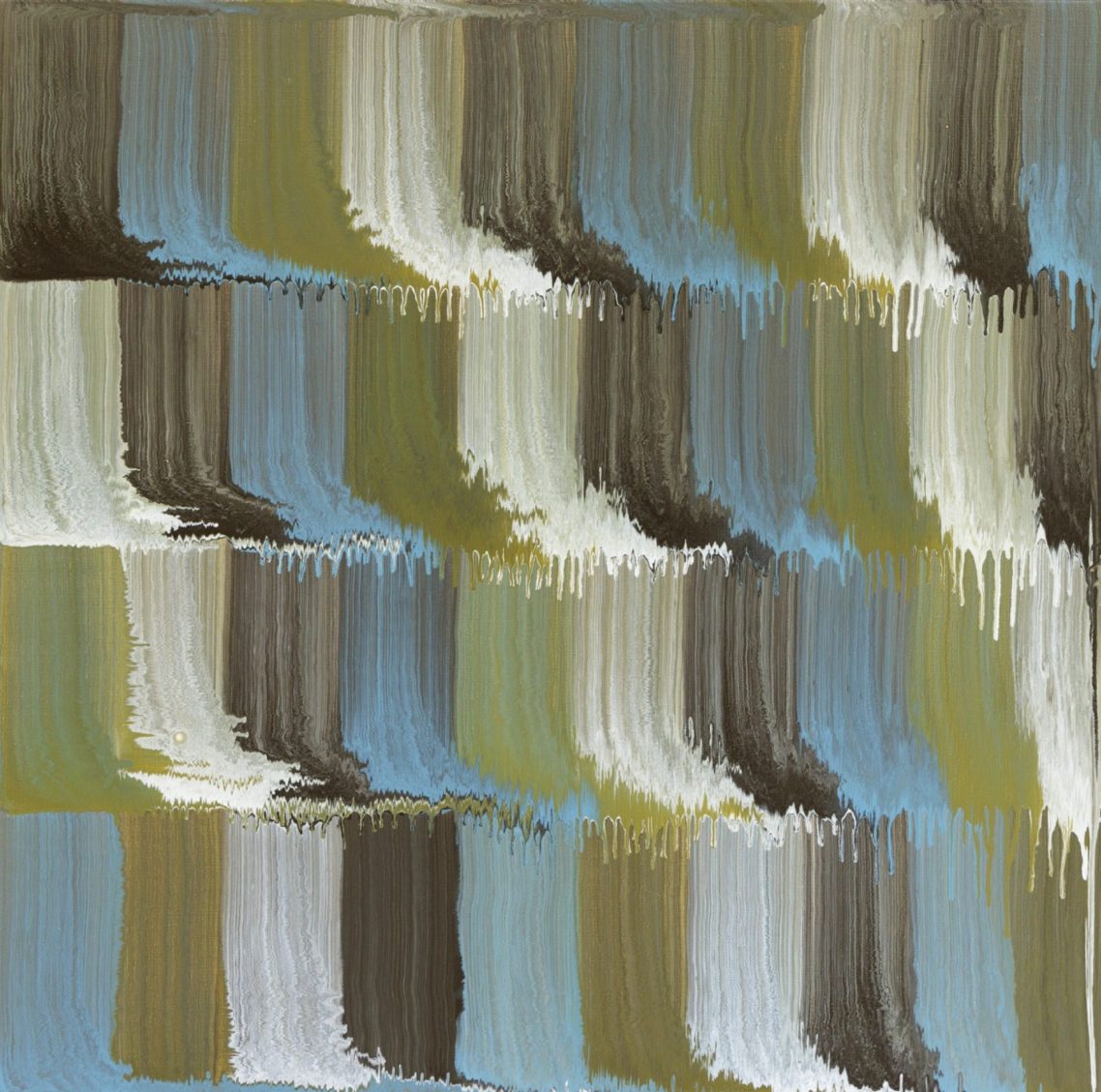
JINJA - 2018
Acrylic on Canvas
80 x 80 cm
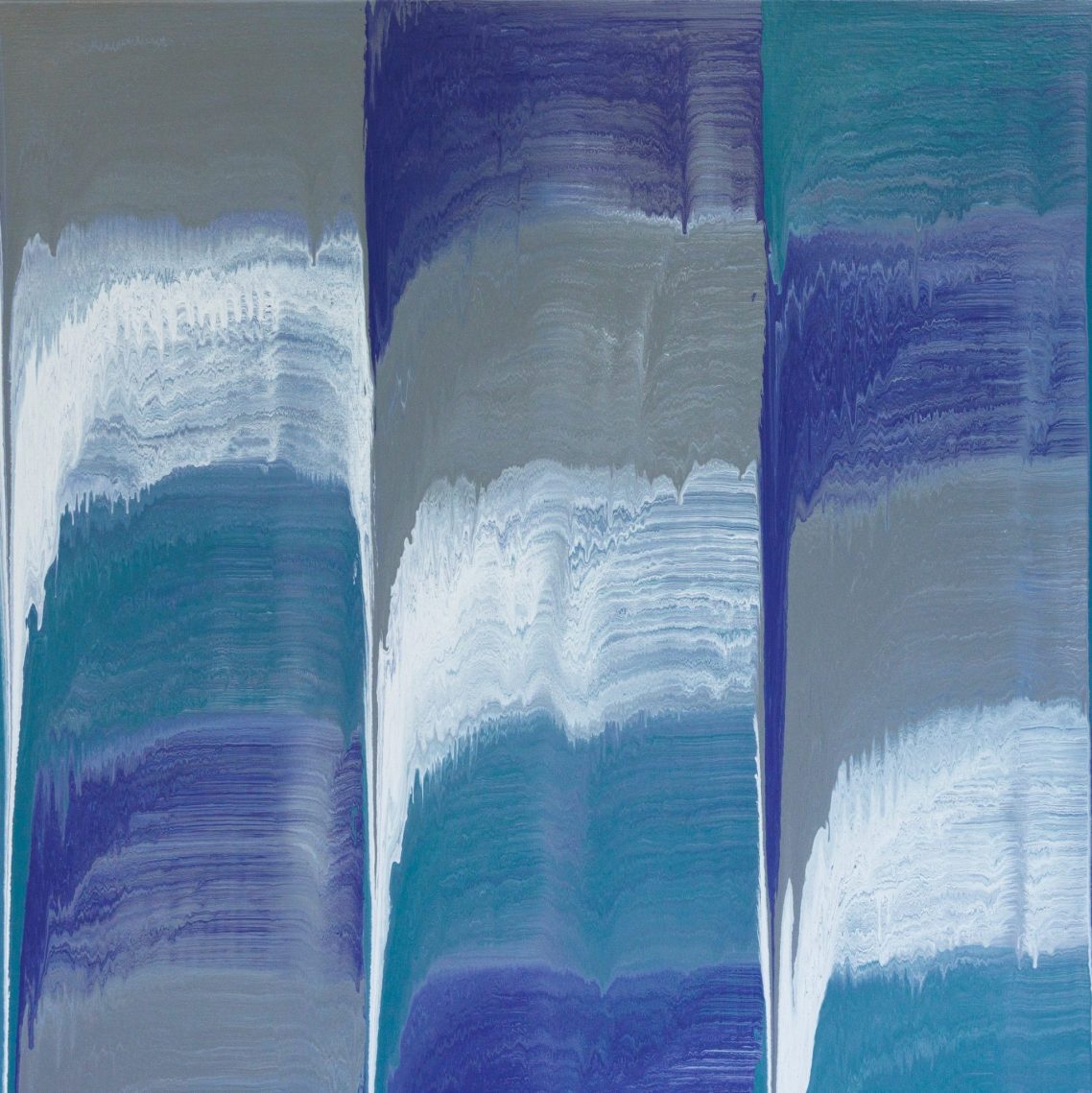
SOURCE DE LA LOUE - 2026
Acrylic on canvas
89 x 89 cm
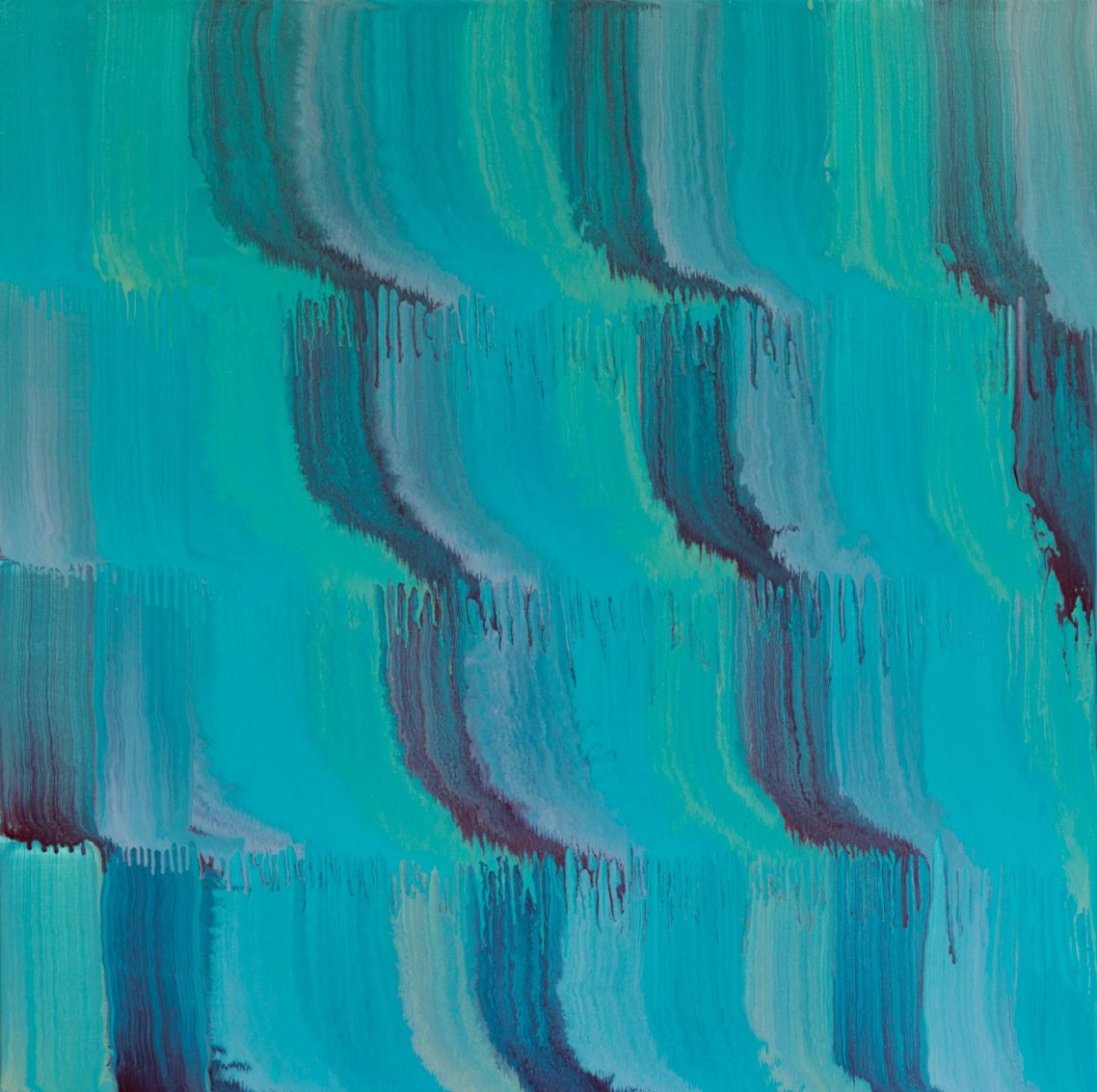
COLLIOURE - 2024
Acrylic on canvas
102 x 102 cm
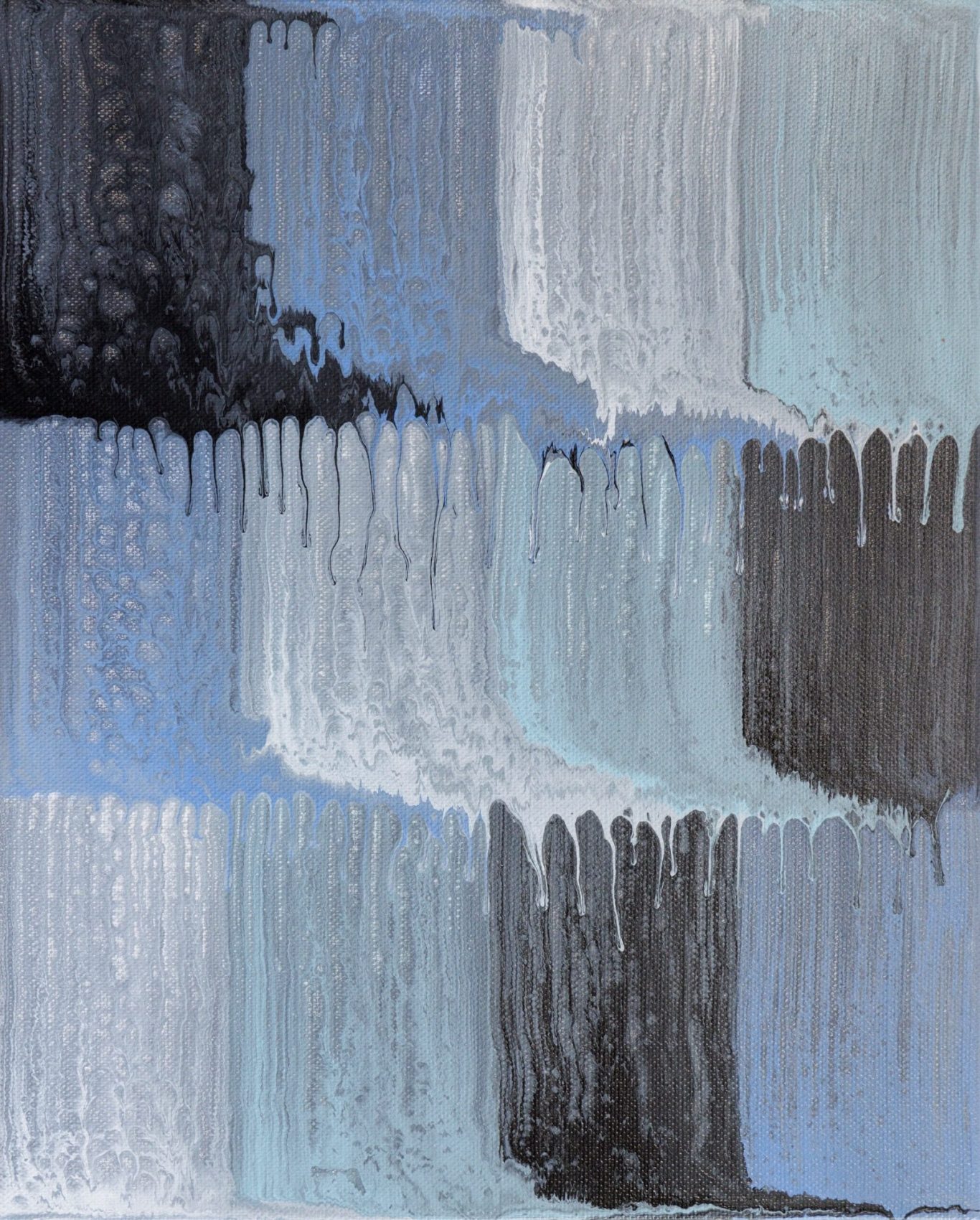
SAGRES - 2024
Acrylic on canvas
41 x 33 cm
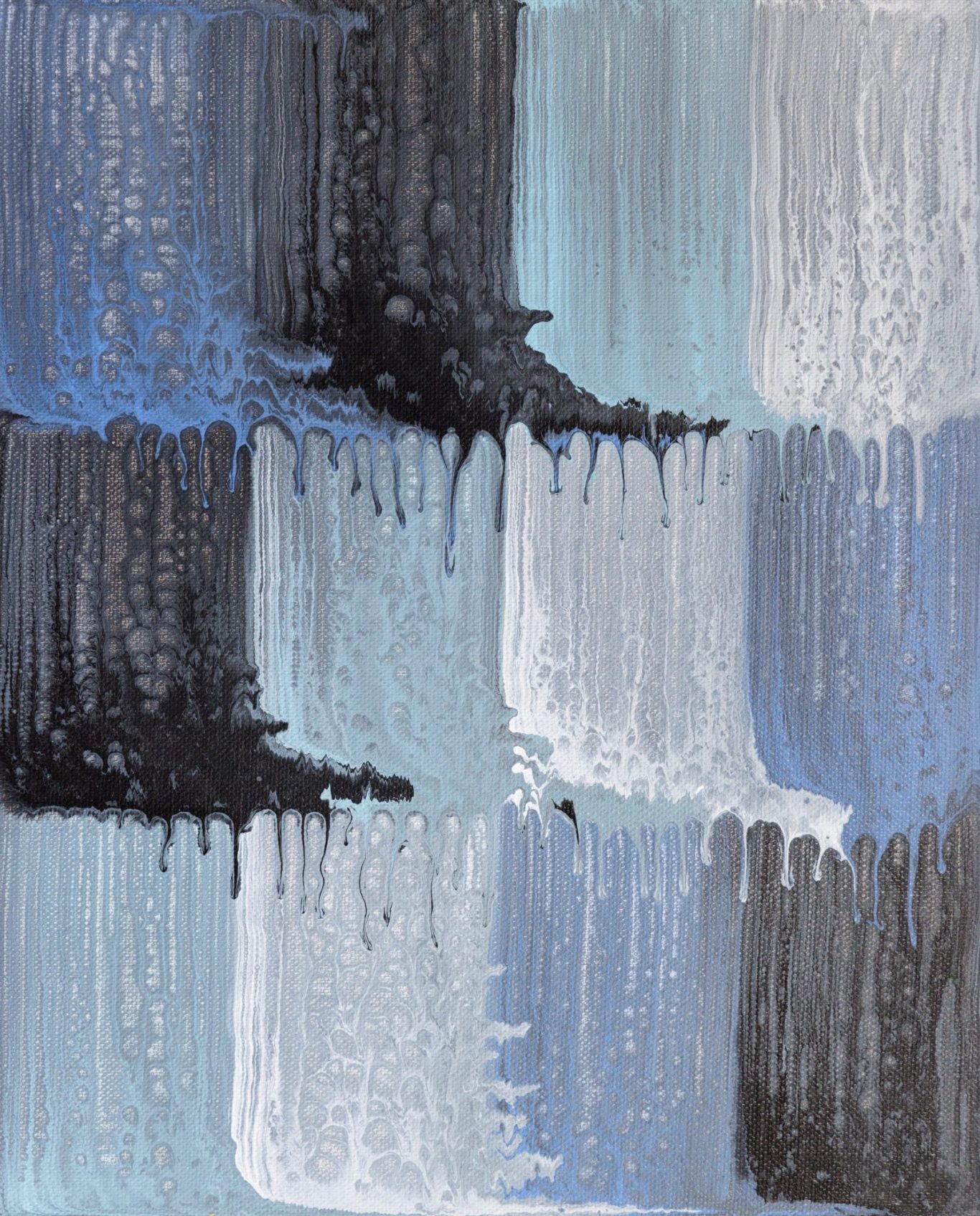
SINES - 2024
Acrylic on canvas
41 x 33 cm
Constellations
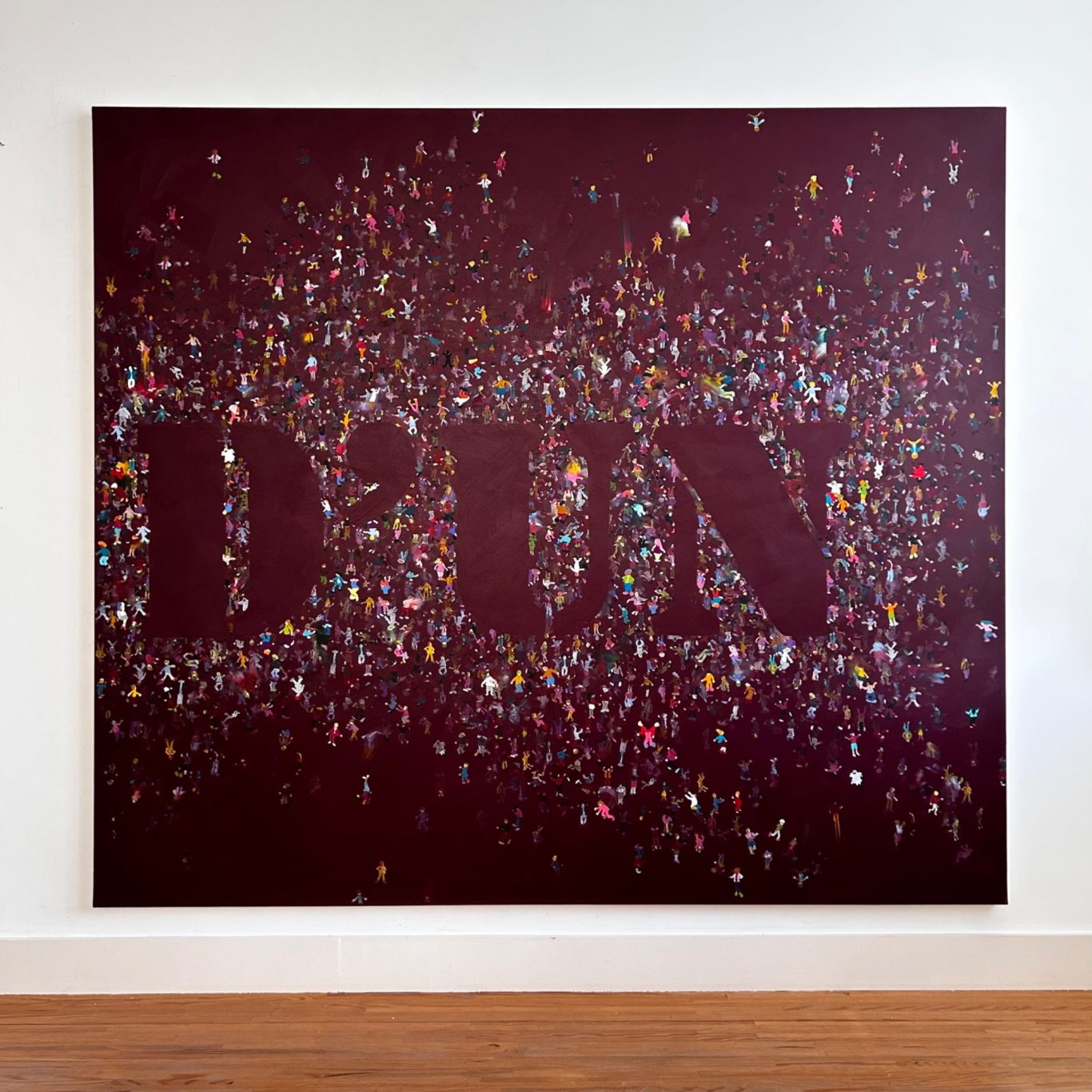
D’UN - 2012 / 2026
Acrylic on oil on canvas
175 x 200 cm
Studio view
English version
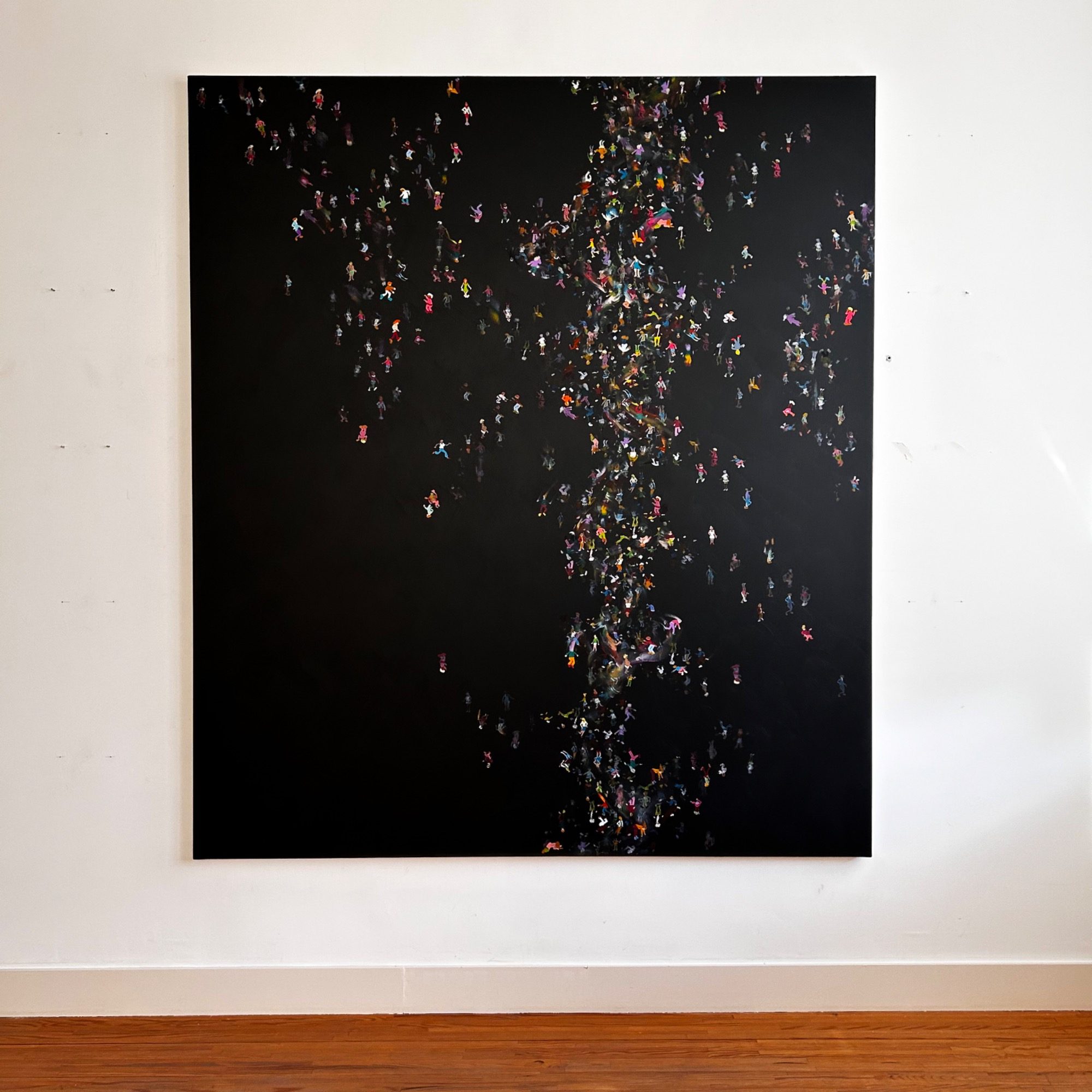
The Constellation Cycle explores the principle of pattern repetition. On a monochrome surface, figurines are painted and arranged freely—sometimes haphazardly and head-to-toe, or linked together in fluid, dancing lines. The large scale of the works and their landscape-like quality—in the sense that they reveal a specific space, devoid of direction or dimension yet possessing a thoroughly absorbing depth—compel the eye to a two-stage viewing experience. From a distance, the eye perceives the overall movements that give rhythm to the canvases, such as the sweeping, powerful tornado in “Tornade” - 2011 - set against a black background that pushes the figures toward the periphery. Up close, the viewer discovers the reality of the painting, in its material and tactile qualities. The motifs are the result of systematic repetition carried out until the color is exhausted.
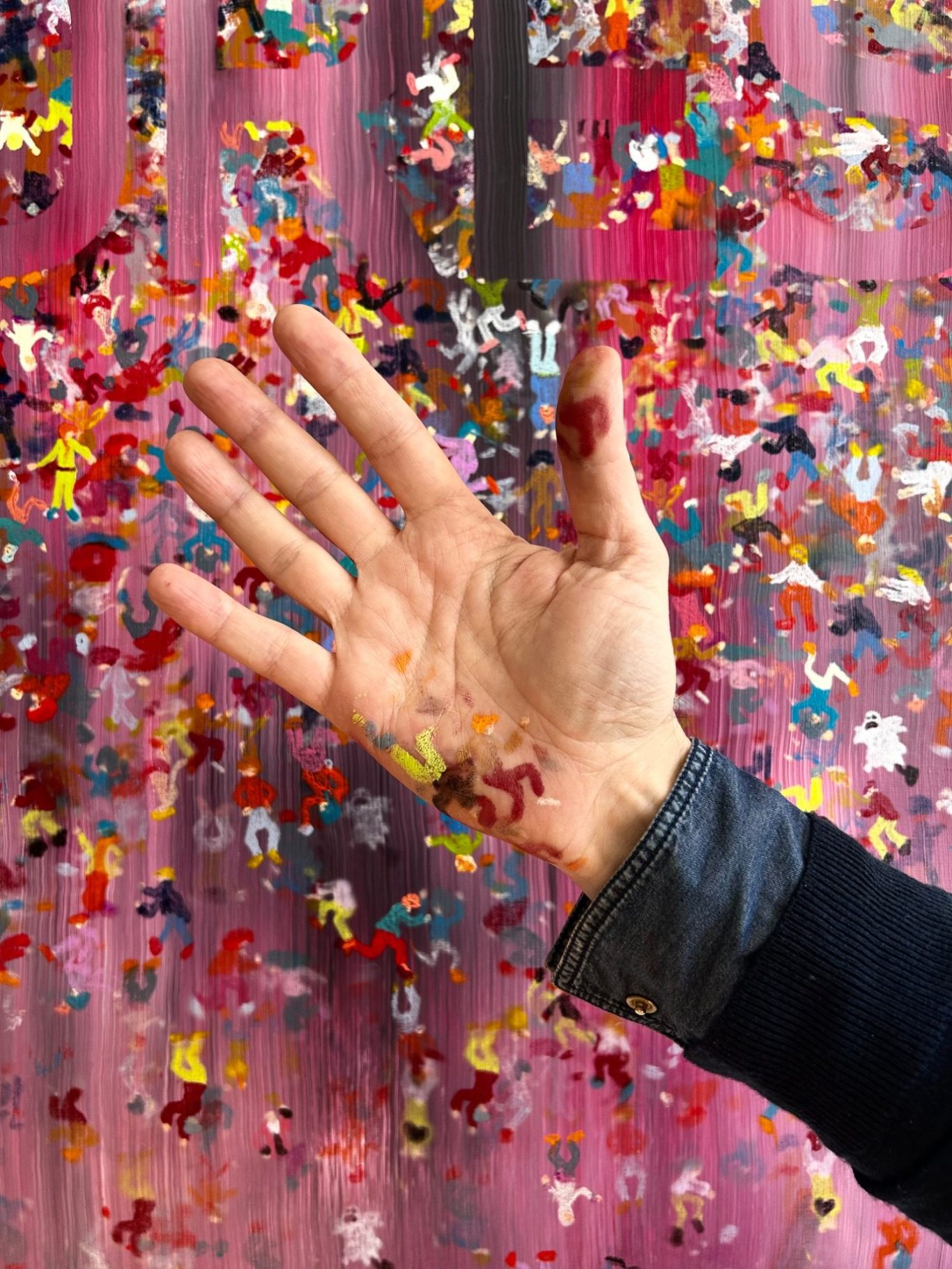
This technique arose, oddly enough, from an accident. While painting his figurines, Ivan Fayard inadvertently pressed the side of his hand against the still-wet ones that had just been placed on the canvas. A small amount of paint was removed and deposited further away, creating replicas of the original figures in lighter colors. Although it was an unintended occurrence, this accidental “stamp” was transformed into a playful and effective method of creating images.
*
French version
Le Cycle Constellation décline le principe de la répétition du motif. Sur une surface monochrome sont peintes des figurines, disposées avec liberté, parfois pêle-mêle et tête-bêche ou bien reliées en de souples farandoles. La grandeur des formats et leur caractère de paysages, au sens ou ils donnent à voir un espace particulier – sans direction, ni dimension mais d’une profondeur tout à fait absorbante – contraignent l’œil à une vision en deux temps.
De loin, L’oeil est sensible aux mouvements d’ensemble qui rythment les toiles, comme l’ample et puissante « Tornade » - 2011 - sur fond noir qui pousse les personnages vers la périphérie. De près, il découvre la réalité de la peinture, dans ses propriétés matérielles et tactiles. Les motifs sont le résultat d’une répétition systématique qui est poussée jusqu’à l’épuisement de la couleur.
Ce procédé est né bizarrement d’un accident. Alors qu’il peignait ses figurines, Ivan Fayard appuyait involontairement la tranche de sa main sur celles encore fraîches qui venaient d’être posées sur la toile. Un peu de peinture était enlevée et déposée plus loin, constituant des répliques des personnages initiaux, aux couleurs plus légères. D’inopportun qu’il était, ce tampon hasardeux fut transformé en un moyen ludique et opératoire de production d’images.
TORNADE - 2012 / 2026
Acrylic and oil on canvas
200 x 175 cm
Studio view
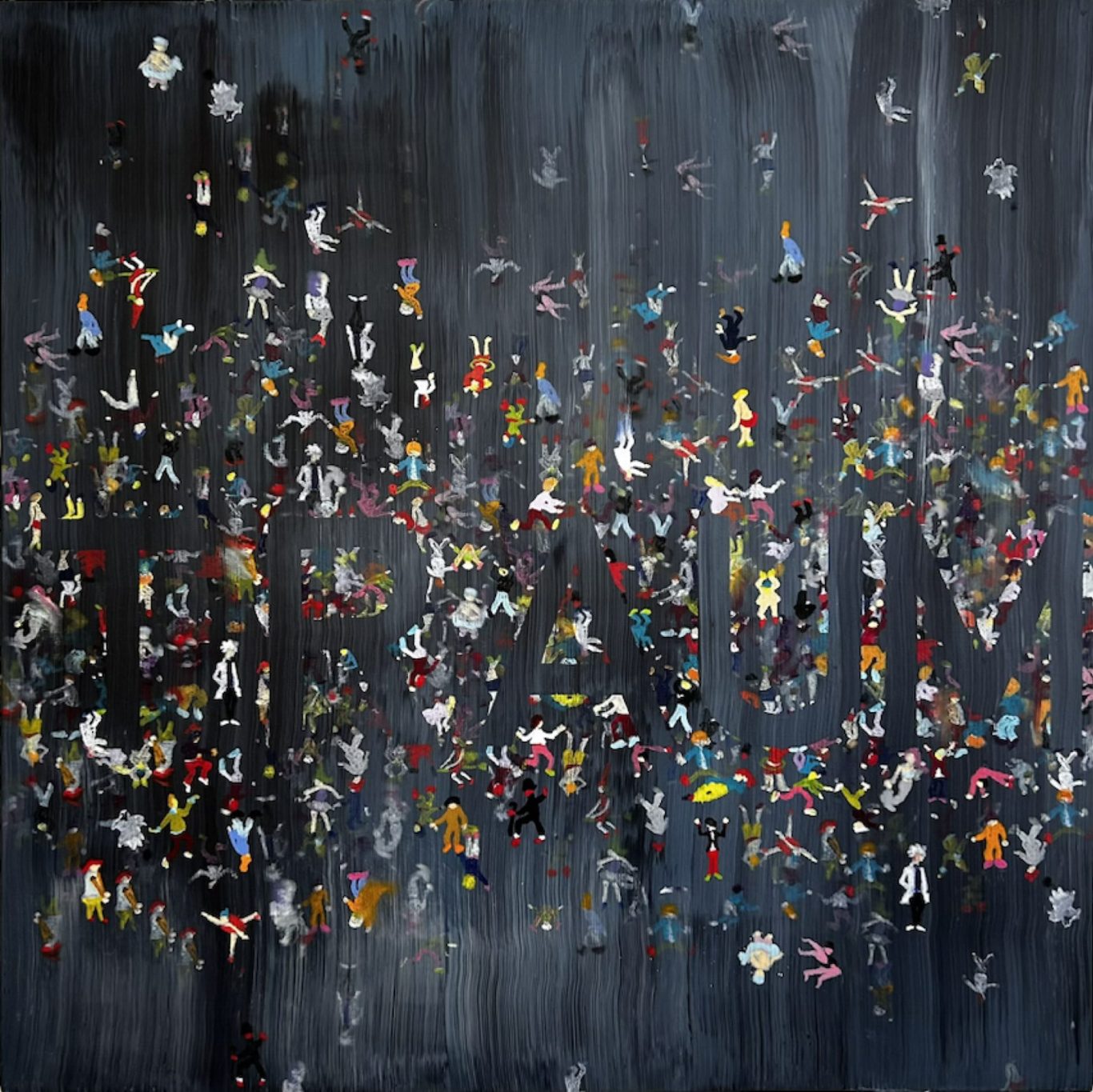
TRAUM - 2026
Acrylic and oil on canvas
89,5 x 89,5 cm
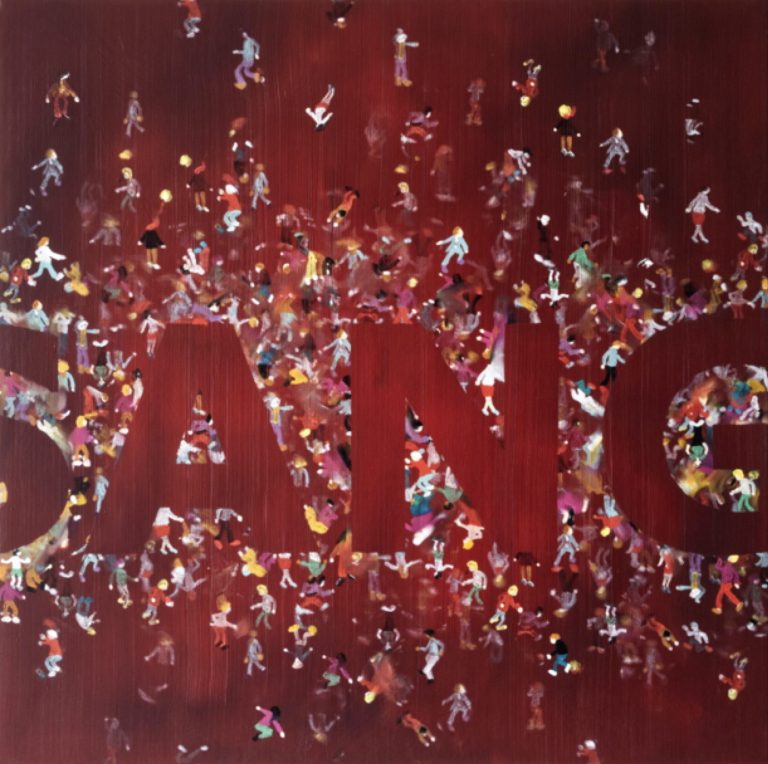
SANG - 2012
Acrylic and oil on canvas
100 x 100 cm
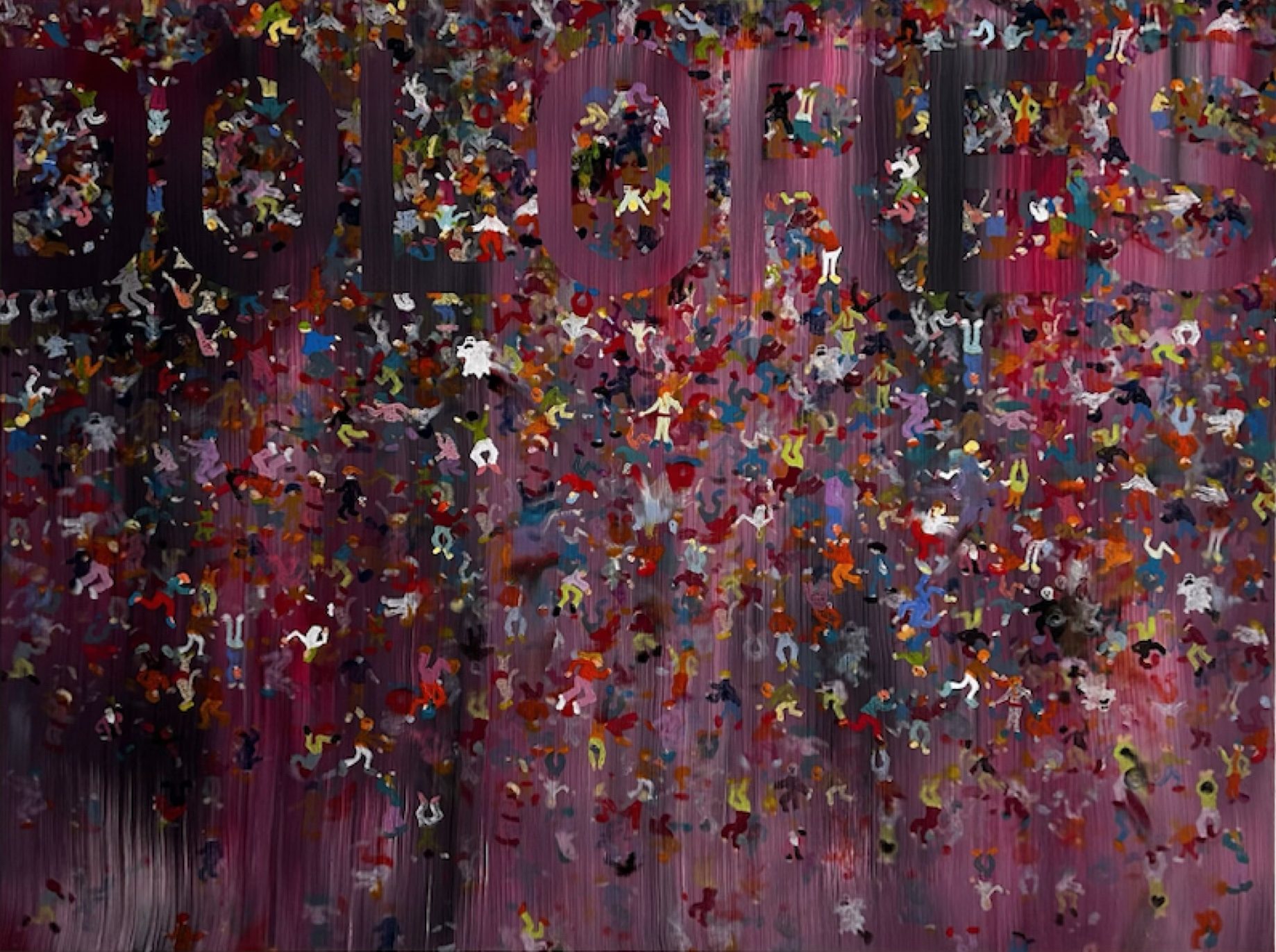
DOLORÈS - 2026
Acrylic and oil on canvas
75 x 100 cm
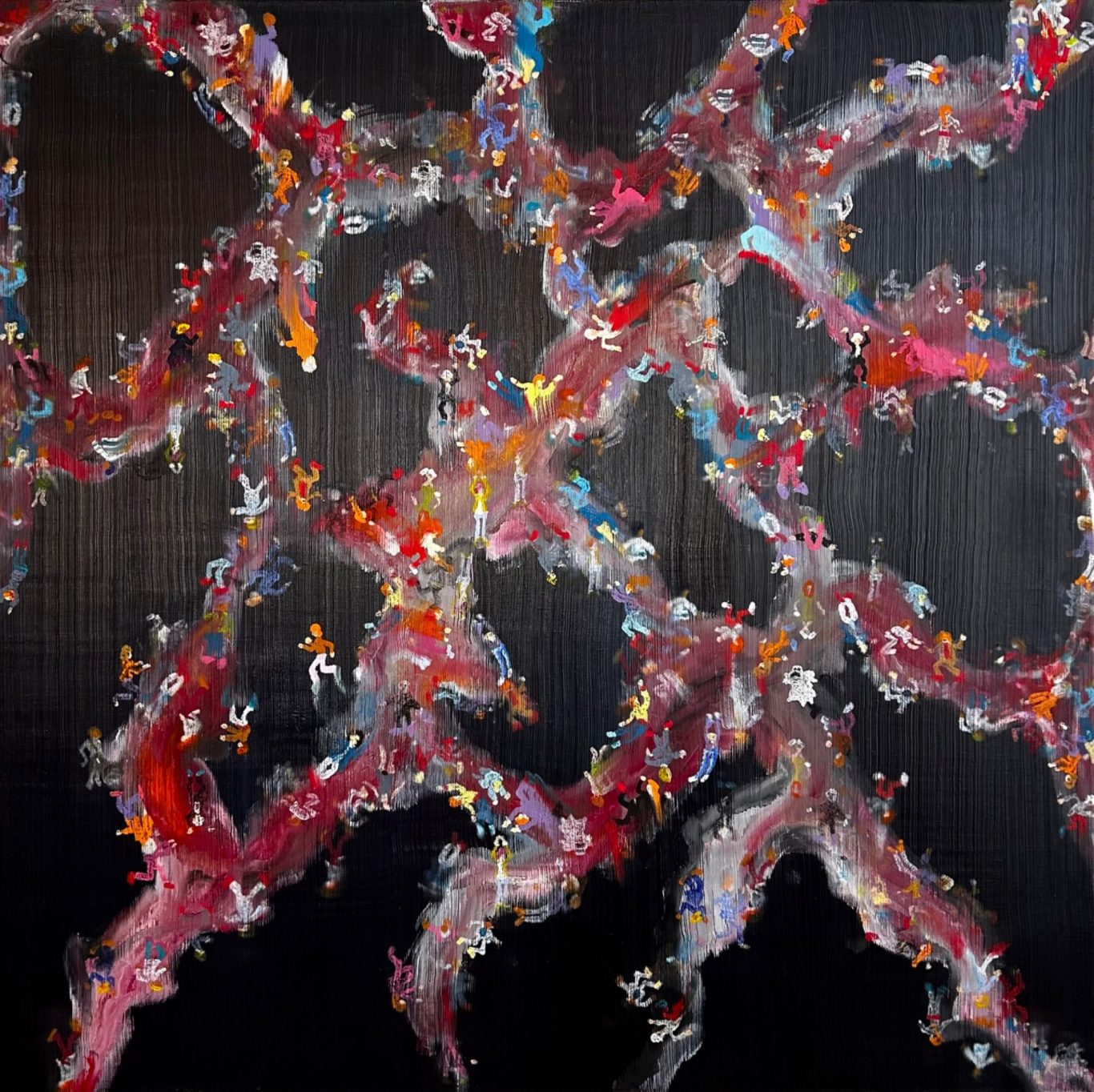
SENNE - 2026
Acrylic and oil on canvas
89,5 x 89,5 cm